

How to renovate an apartment, from the initial assessment to handover
Renovating an apartment means transforming a property to suit your lifestyle, bring it up to date or ensure it meets current standards. However, not all renovation projects are the same:
- A partial renovation focuses on specific elements only, such as repainting or renovating a bathroom. It is quicker, less expensive and can often be completed without having to move out.
- A complete renovation involves a comprehensive overhaul, including electrics, plumbing, insulation, reconfiguring rooms and joinery. It requires more rigorous planning and the involvement of several trades.
In both cases, renovating an apartment can serve several purposes:
- Enhancing and personalising the property: more contemporary furnishings and materials, improved natural light, interiors that reflect your personality, etc.
- Adapting the apartment to your lifestyle: adding storage, opening up the kitchen, creating a home office or an additional bedroom, etc.
- Increasing the property’s value: improving insulation, replacing the heating system, bringing the electrical installation up to standard, etc.
At Maison Kyka, we provide our clients with a turnkey renovation service in Paris.
“We used Maison Kyka for our first investment! We are thrilled with the result; our apartment is perfect. We were so well supported by Céline and Anton, who were attentive and very responsive. A huge plus: the timeline was met almost to the day. We highly recommend them!” Jeanne S.
The essentials in 30 seconds
Renovating an apartment involves seven stages, from the initial survey to handover, with building work lasting anywhere from a few weeks to several months depending on the scale of the project. On the Paris market, a complete renovation of an older apartment typically costs between €2,000 and €2,500 per m2, while an extensive renovation involving a significant reconfiguration of the space ranges from €2,500 to €3,500 per m2, excluding furniture. This guide takes you through each stage. For projects in Paris, our turnkey renovation service manages the entire process from start to finish.
Why renovate an apartment?
Improving the apartment’s energy performance and value
Renovating an apartment is an opportunity to improve its energy performance. This is particularly advisable if you are buying an apartment to let, as improving the DPE energy rating of an older property can allow you to charge higher rent, or simply ensure that you are legally allowed to rent it out at all.
Under France’s Climate and Resilience Law, apartments with a G-rated DPE have been prohibited from being rented since 1 January 2025. F-rated properties will follow in 2028, followed by E-rated properties in 2034. An energy-inefficient apartment therefore risks rapidly losing its rental value.
That said, even if you are buying your primary residence, improving an apartment’s energy performance can generate significant savings on energy bills. It also makes the property considerably more attractive, helping to increase its value on the property market. Buying an apartment in need of renovation can therefore often result in a greater capital gain when you eventually sell your primary residence. Renovation constraints naturally vary from one neighbourhood to another, as is the case, for example, in the 18th arrondissement of Paris.
In practical terms, here are some examples of renovation work that can improve an apartment’s energy performance:
- Replacing windows: opting for double glazing reduces heat loss and external noise.
- Heating system: an outdated individual boiler or inefficient electric radiators can be replaced with more modern systems, such as inertia radiators or an air-to-air heat pump, where technical constraints allow.
- Heating controls: installing a programmable thermostat, thermostatic radiator valves or smart home controls can reduce the apartment’s energy consumption.
- Thermal insulation: insulating the ceiling in apartments on upper floors or the floor in ground-floor apartments can make a real difference without reducing the property’s usable floor area.
Improving the apartment’s appearance and comfort
Renovating an apartment is also an opportunity to improve its comfort and appearance, transforming it into a pleasant, functional and thoughtfully designed home.
The kitchen and bathroom deserve particular attention, as they are often two of the most frequently used spaces in a home. A well-designed kitchen, for example, can maximise space, improve circulation and make everyday life more enjoyable. The same applies to the bathroom: a walk-in shower, integrated storage and soft lighting can all make a difference.
Improving comfort, however, is not simply a matter of upgrading a few fixtures. It often involves optimising the available space by reconsidering how rooms are divided. This might mean removing a partition to enlarge the living room or, conversely, adding one to create an additional bedroom. Either way, these decisions can radically change how the apartment feels and how its occupants experience it.
Renovation is also an opportunity to create an apartment suited to your lifestyle. If you are moving into a family apartment, you may need one or more children’s bedrooms, a large dining room or a utility room. If you work from home, having a quiet, light-filled office can be extremely comfortable, if not essential.
Finally, numerous small aesthetic details can transform an interior, particularly in apartments with limited floor space: high-quality materials, a coherent colour palette, well-designed storage, carefully considered lighting and decorative objects.
What are the 7 steps of an apartment renovation?
Renovating an apartment requires careful planning at every stage of the project, from assessing the existing property through to installing the furniture. Here are the 7 main steps of an apartment renovation, along with the key points to check to avoid unpleasant surprises during the building work. This is particularly important, especially when buying a property that will subsequently be renovated.
1. Assess the apartment
Before designing your project, start by carrying out an accurate survey and a thorough technical assessment of the apartment. This will help identify any constraints that could affect the plans, budget or duration of the work.
In particular, check:
- the condition of the electrical and plumbing systems;
- heating, ventilation, thermal insulation and soundproofing;
- the condition of floors, walls and ceilings;
- the presence of load-bearing walls and any structural constraints;
- windows, doors and other joinery;
- technical constraints related to the building.
For complex structural alterations, a technical engineering firm may need to be consulted to confirm their feasibility.
2. Design the plans and define your priorities
The design process starts with a simple question: how do you want to live in your future apartment? Lack of storage, poor circulation, the need for an additional room, more natural light or better insulation: list your requirements and rank them in order of priority.
This will then help you define:
- the layout and purpose of each room;
- circulation and volumes;
- the positioning of fixtures and equipment;
- materials, colours and finishes;
- lighting and bespoke joinery.
At Maison Kyka, this phase results in a comprehensive design package, including plans and 3D visualisations, material and colour selections, and technical specifications. This becomes the roadmap for the renovation work.
Distinguish your essential requirements from secondary preferences. This will make it easier to make decisions if the budget or technical constraints require compromises.
3. Obtain the necessary permissions for the work
Not all work carried out in an apartment requires permission. In a co-owned building, you can generally make changes within your private property as long as the work does not affect the common areas or the external appearance of the building. Otherwise, approval from the co-owners’ general meeting may be required.
Before work begins, check whether your project involves:
- a load-bearing wall or structural element;
- shared pipework or equipment;
- an opening or the building façade;
- work requiring planning permission or another form of local authority approval.
The co-ownership regulations may also impose certain restrictions, particularly regarding materials or acoustic insulation.
4. Calculate the cost of the work and allow for contingencies
Once the plans have been defined, draw up a detailed renovation budget. Rather than relying on an overall estimate, the costing should clearly identify the price of each element of the project: demolition, masonry, electrics, plumbing, insulation, joinery, flooring and wall finishes, painting, equipment and finishing work.
This breakdown makes it easier to identify the most expensive items and make adjustments without compromising the overall coherence of the project.
In older properties, however, certain issues may only become apparent after demolition or once existing finishes have been removed: deteriorated pipework, electrical systems requiring replacement, damaged substrates, structural defects, etc.
Do not plan your project around your maximum available budget. Set aside a contingency from the outset so that an unforeseen technical issue does not compromise the entire renovation.
5. Carry out the work in the right order
During a complete renovation, the different trades need to work in a specific order. Poor coordination can result in remedial work, delays and additional costs.
The renovation generally follows this sequence:
- protection and demolition;
- structural and masonry work;
- plumbing, electrics and other services;
- insulation, partitions and ceilings;
- flooring and other finishes;
- joinery, fixtures and equipment;
- painting and finishing touches.
This order may naturally vary depending on the layout of the apartment and the nature of the work. The schedule should therefore be planned for the project as a whole and coordinated between the different professionals involved.
6. Inspect the completed work and address any defects
Once the work is complete, formal handover provides an opportunity to check that everything has been carried out as agreed and to identify any defects, poor workmanship or outstanding items. Inspect the apartment methodically, room by room, and test the different fixtures and equipment.
Any issues identified during this inspection can be recorded as reservations in the formal acceptance report. They must then be rectified before the reservations can be formally cleared.
Handover is also an important legal stage, as it marks the starting point of several statutory warranties applicable to the work in France, including the completion guarantee, the two-year guarantee and, for qualifying defects, the ten-year guarantee.
Do not check only the visible finishes. Test sockets, switches, taps, drainage, doors, windows, equipment and lighting before formally accepting the completed work.
7. Furnish the apartment and prepare for handover
Renovation does not necessarily end when the building work is complete. Furniture, lighting, curtains, decorative pieces and accessories all contribute to the overall coherence of the project, transforming a renovated apartment into a genuine home.
Ideally, these elements should be considered from the design stage. The position of a sofa or dining table influences the placement of sockets and lighting; bespoke joinery needs to be incorporated into the plans; and circulation depends on the actual dimensions of the furniture.
At Maison Kyka, design, renovation and furnishing are therefore considered as one continuous process, allowing us to deliver a coherent interior down to the very last detail. And if the property you wish to transform is a house, follow our detailed house renovation guide for all the essential information you need.
“A big thank you for your support. I immediately felt confident and understood regarding my needs and expectations. Kudos to the whole team for your attentiveness, availability, and meeting the deadlines, which was very important to me. I am delighted with the final result: thank you so much.” Murielle B.
How much should you budget to renovate an apartment?
The budget depends first and foremost on the scale of the work, followed by the size of the property, the condition of its utilities, the level of finish and the constraints of the building. There are three broad levels to consider:
Two concrete examples provide useful benchmarks: a complete renovation of a 40 m2 apartment typically costs between €80,000 and €100,000. The renovation of Éloi’s 54 m2 apartment in Paris’s 18th arrondissement cost €108,000 excluding commissions, with five months of building work. An extensive renovation of an 80 m2 apartment involving significant reconfiguration will exceed €200,000. In older buildings, it is advisable to allow a contingency of 10 to 15 %.
The cost of renovating an apartment can be reduced through several forms of financial assistance, including:
- MaPrimeRénov’: a French government grant that helps fund energy-efficiency improvements. The amount depends on your income and the type of work carried out. It is available to both owner-occupiers and landlords.
- Zero-interest eco-loan (éco-PTZ): an interest-free loan of up to €50,000 offered by participating banks to finance renovation work. It can be combined with MaPrimeRénov’.
- Energy Savings Certificates (CEE): financial incentives offered by energy suppliers for certain types of work, such as insulation or replacing a heating system.
- Reduced VAT rates: renovation work carried out in a property more than two years old benefits from a 10 % VAT rate, reduced to 5.5 % for qualifying energy-efficiency improvements.
Starting and managing renovation work
Who should you contact to renovate an apartment?
Once your renovation project has been thoroughly planned, it is time to select the tradespeople who will bring it to life. To obtain accurate, consistent and comparable quotes, you need to present your project clearly.
Provide each contractor with a comprehensive package including plans, a list of the required work, technical constraints and aesthetic preferences. This allows each professional to understand exactly what you expect, leaving as little room for interpretation as possible.
At Maison Kyka, we work with a trusted team of tradespeople selected for their craftsmanship, reliability and quality of work. We may, however, call upon an external specialist for more technical work involving, for example, air conditioning or home automation. Our teams coordinate all the different professionals in-house, from ordering materials through to final handover.
Working with qualified building professionals is also a matter of legal protection. They must hold valid ten-year liability insurance and any certifications required in their field, such as RGE certification where applicable. You are fully entitled to request these documents before signing a quote.
In what order should renovation work be carried out?
The project has been designed, the tradespeople selected and the quotes signed. It is now time to begin the building work itself.
The site always starts with demolition, followed by any structural work required. This may involve removing partitions, stripping out old finishes or removing outdated installations.
Next comes the second-fix and interior construction work: new partitions are built, service routes are prepared and several trades, such as plumbers and electricians, may work simultaneously at this stage.
Finally come the finishing works: flooring is laid, whether tiles or parquet, walls are painted, the kitchen and sanitary fittings are installed, and bespoke joinery is fitted.
At Maison Kyka, we are committed to making this phase as seamless as possible. Your renovation project manager monitors the site's progress daily and anticipates any necessary adjustments. Everything is documented so you can track the work's evolution, ask questions, and make decisions if needed.
Once the work is complete, it is time for the final walkthrough. You tour the property with your project manager to verify that the work complies with the quote and design plan. If everything is in order, you sign the handover report. The project is then legally closed, and the warranties (perfect completion, two-year, and ten-year) go into effect.
Renovating an older or Haussmannian apartment
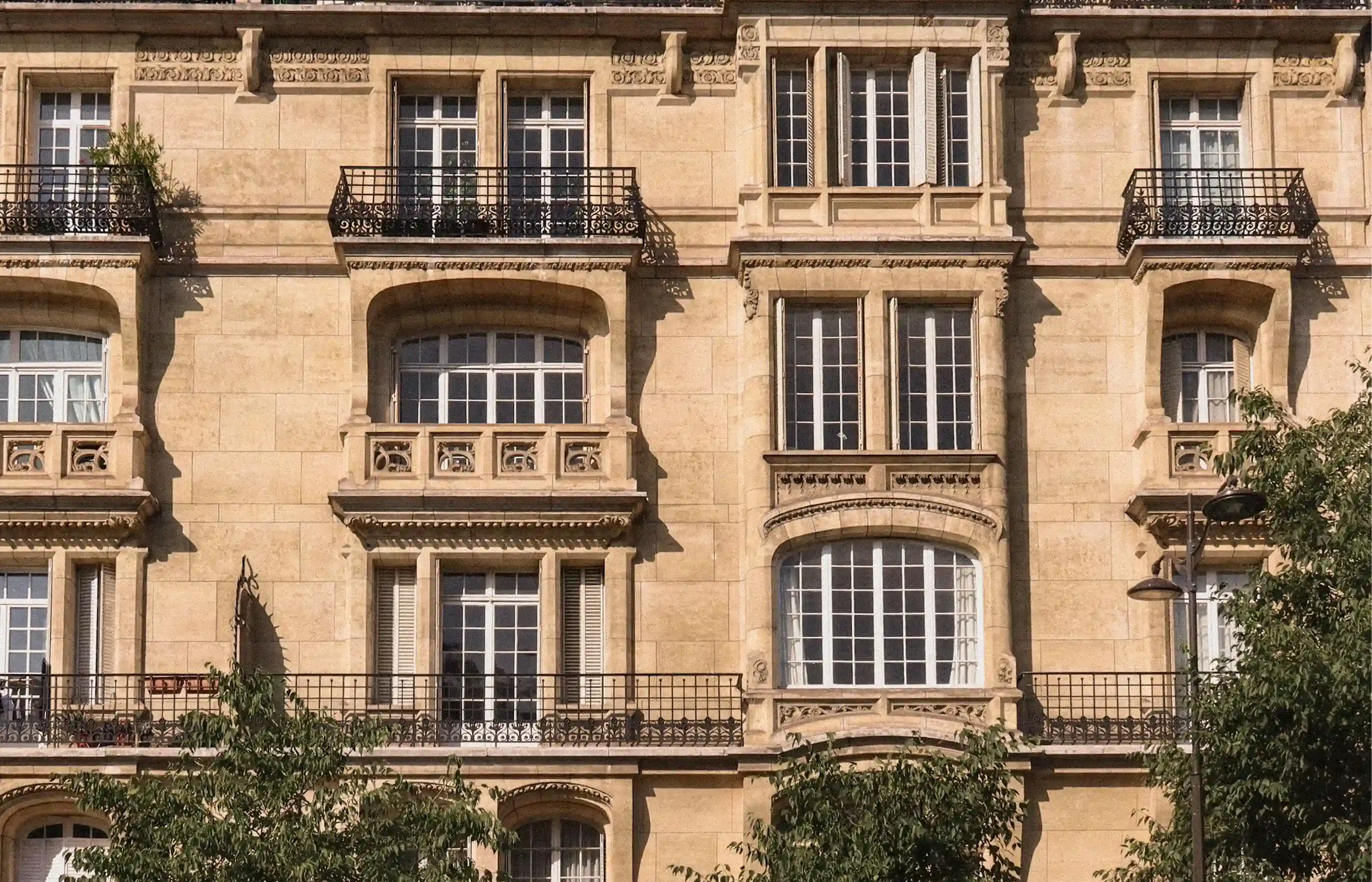
An older apartment comes with its own set of priorities: electrical and plumbing systems may have been altered piecemeal over the decades, load-bearing walls must be identified before creating any new openings, and parquet flooring and mouldings should often be restored rather than replaced. Energy performance should be addressed as part of the same renovation, through internal insulation and upgraded windows, without compromising the character of the original building. For Haussmannian properties, our dedicated guide explores these specific considerations in greater detail.
"I have just purchased my second property and Maison Kyka took care of everything from start to finish. From the property search through to the renovation, the architect managed to translate exactly what I had in mind into reality, only better! The team was highly responsive, which freed up my time and allowed me to leave the entire renovation process in their hands with complete peace of mind. Thank you again. I would highly recommend them!" Adrien B.
Before and after: our apartment renovations
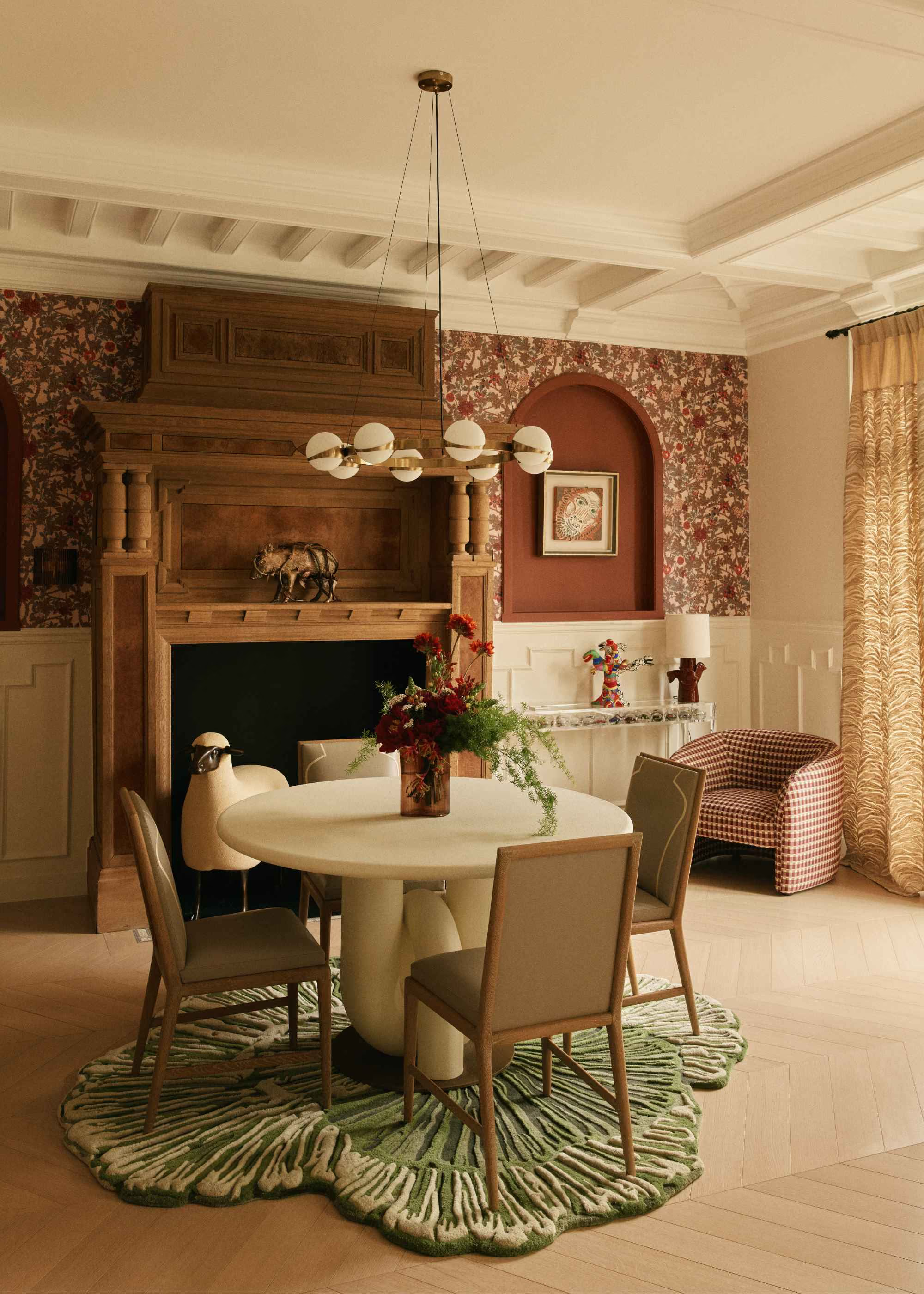
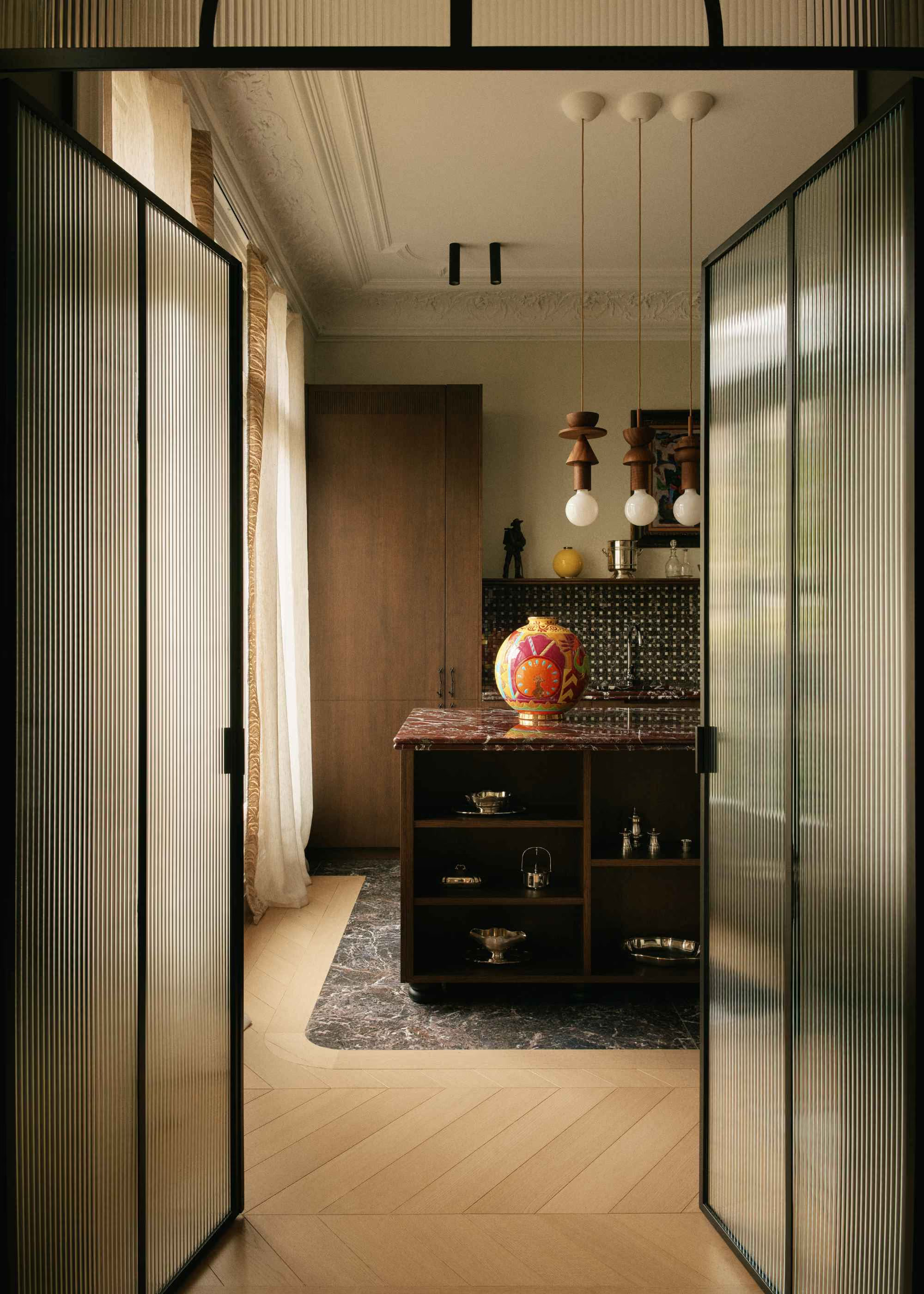
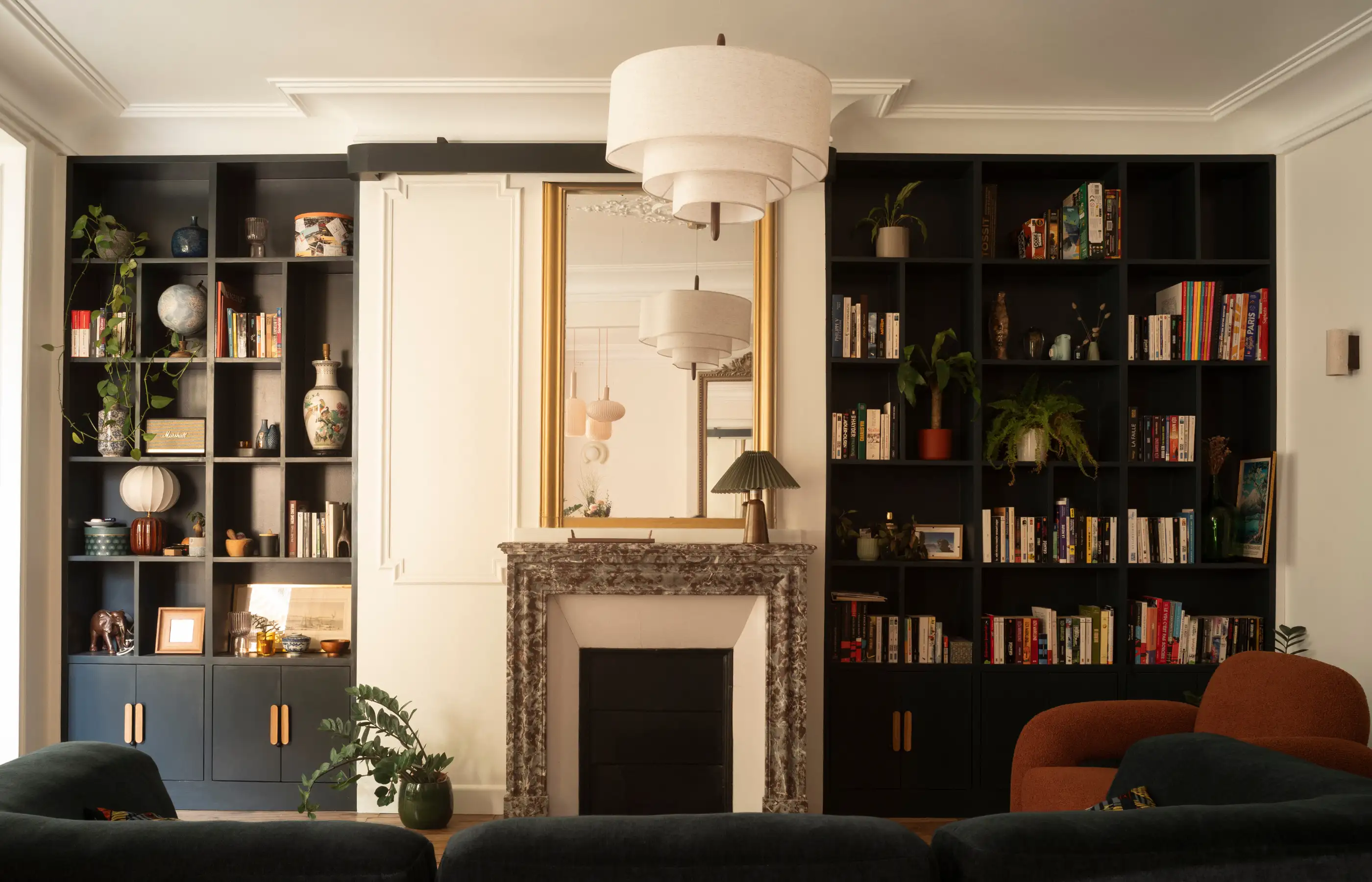
Our many apartment renovations in Paris perfectly illustrate the benefits of choosing a turnkey service: the renovation work is anticipated from the acquisition stage onwards, allowing us to create a bespoke design tailored to each client’s expectations.
Nicole’s apartment in the 11th arrondissement shows how a small property in very poor condition can be transformed, its space optimised and its energy performance improved to create an interior that feels both cosy and refined.
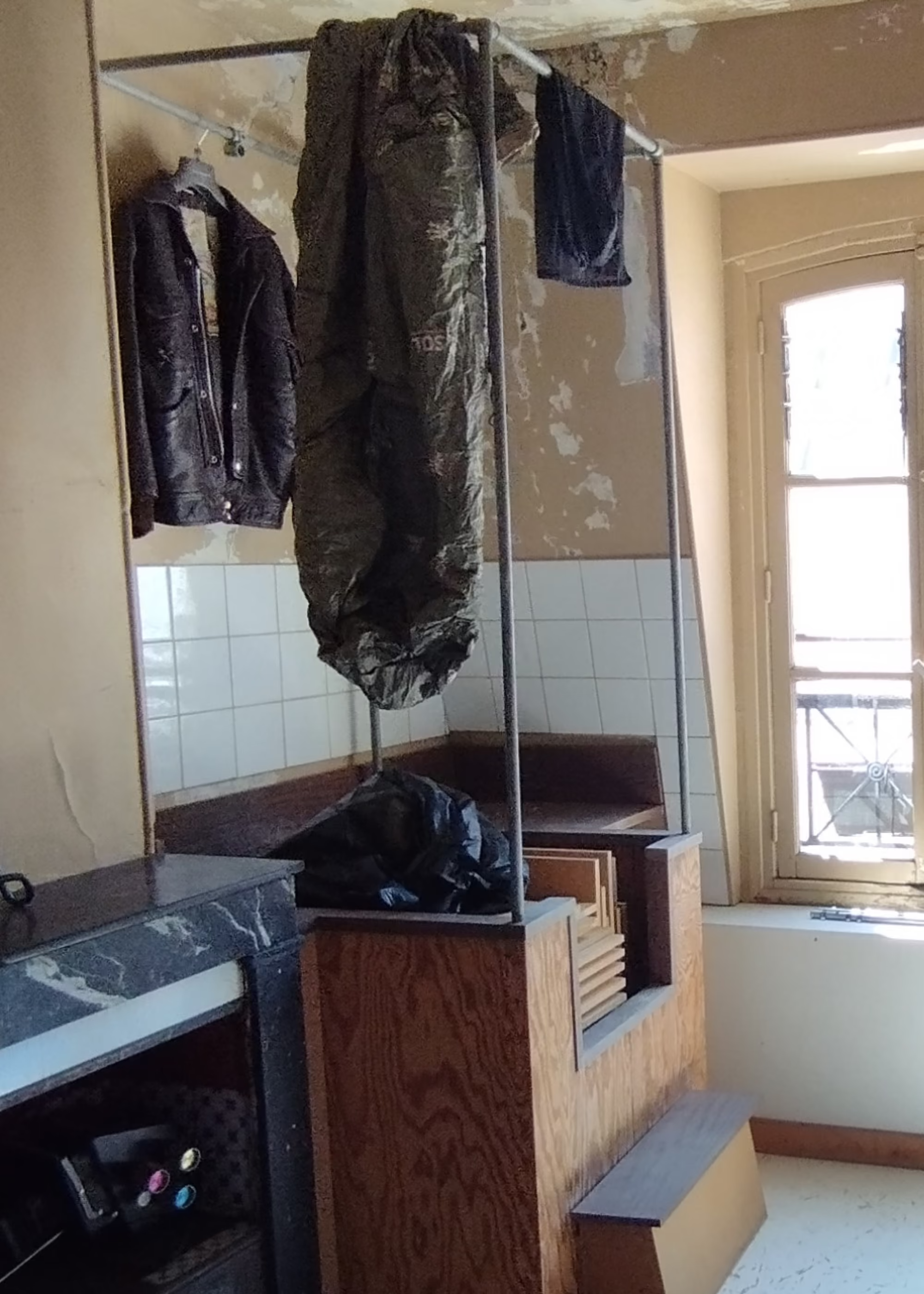
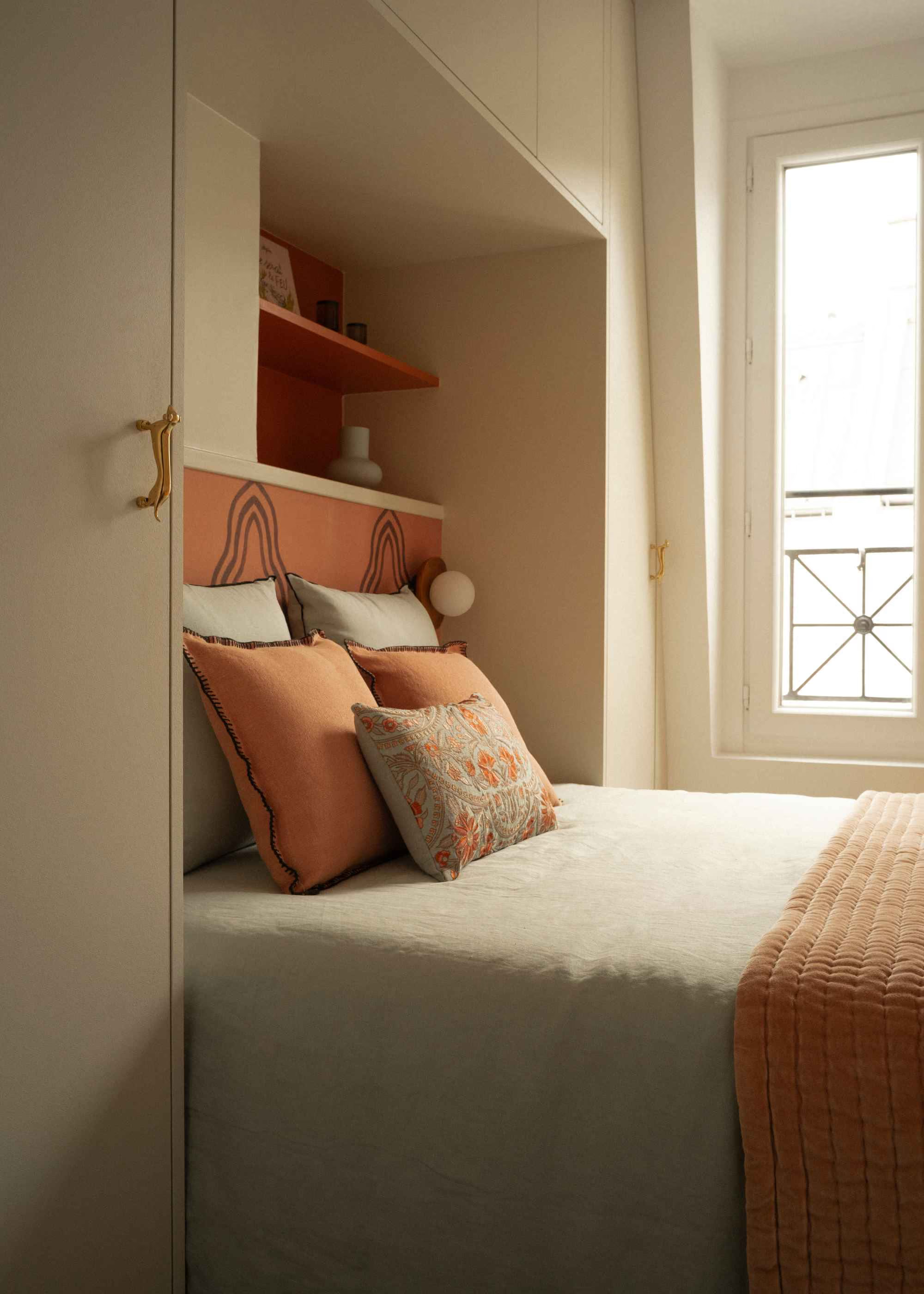
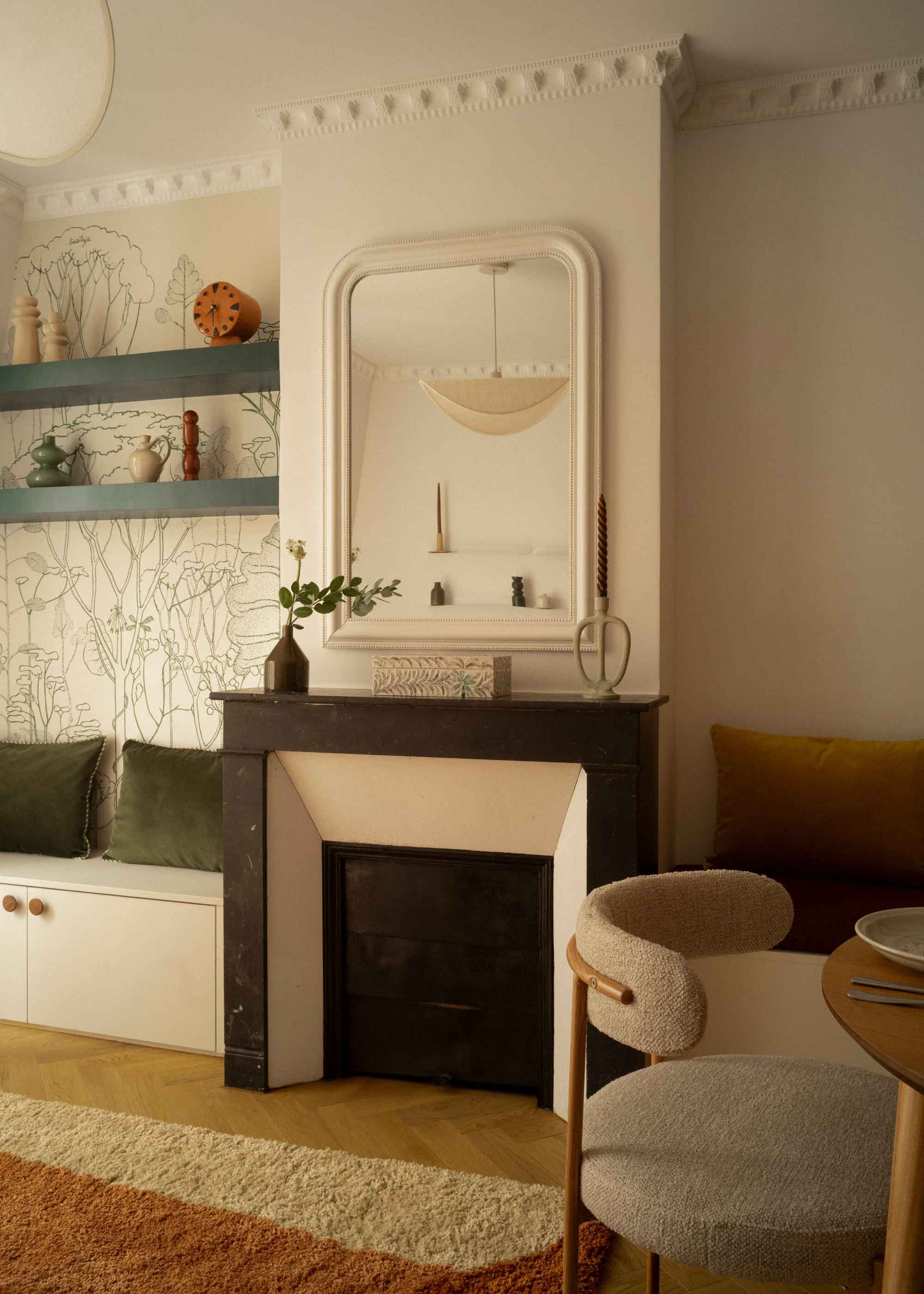
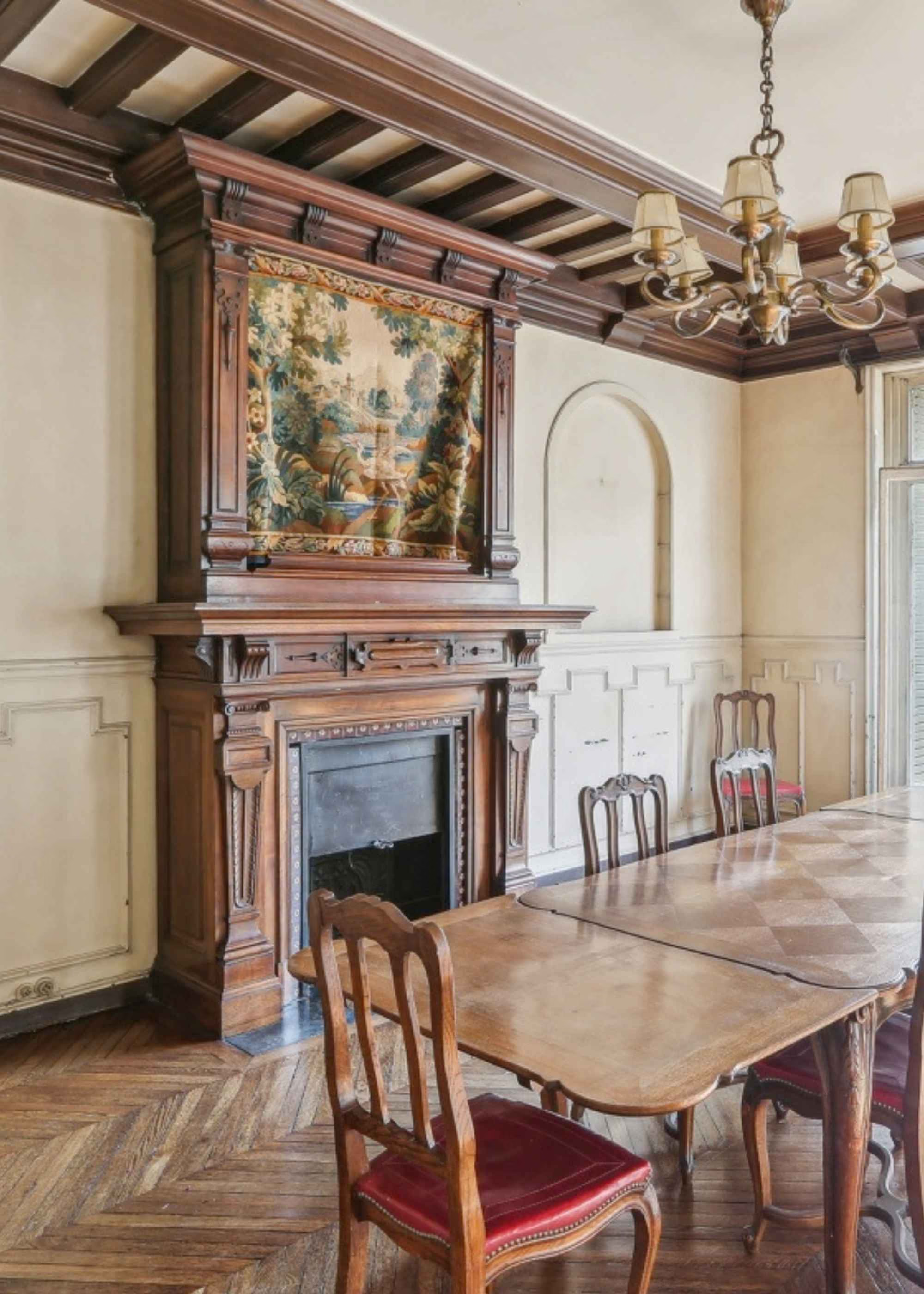
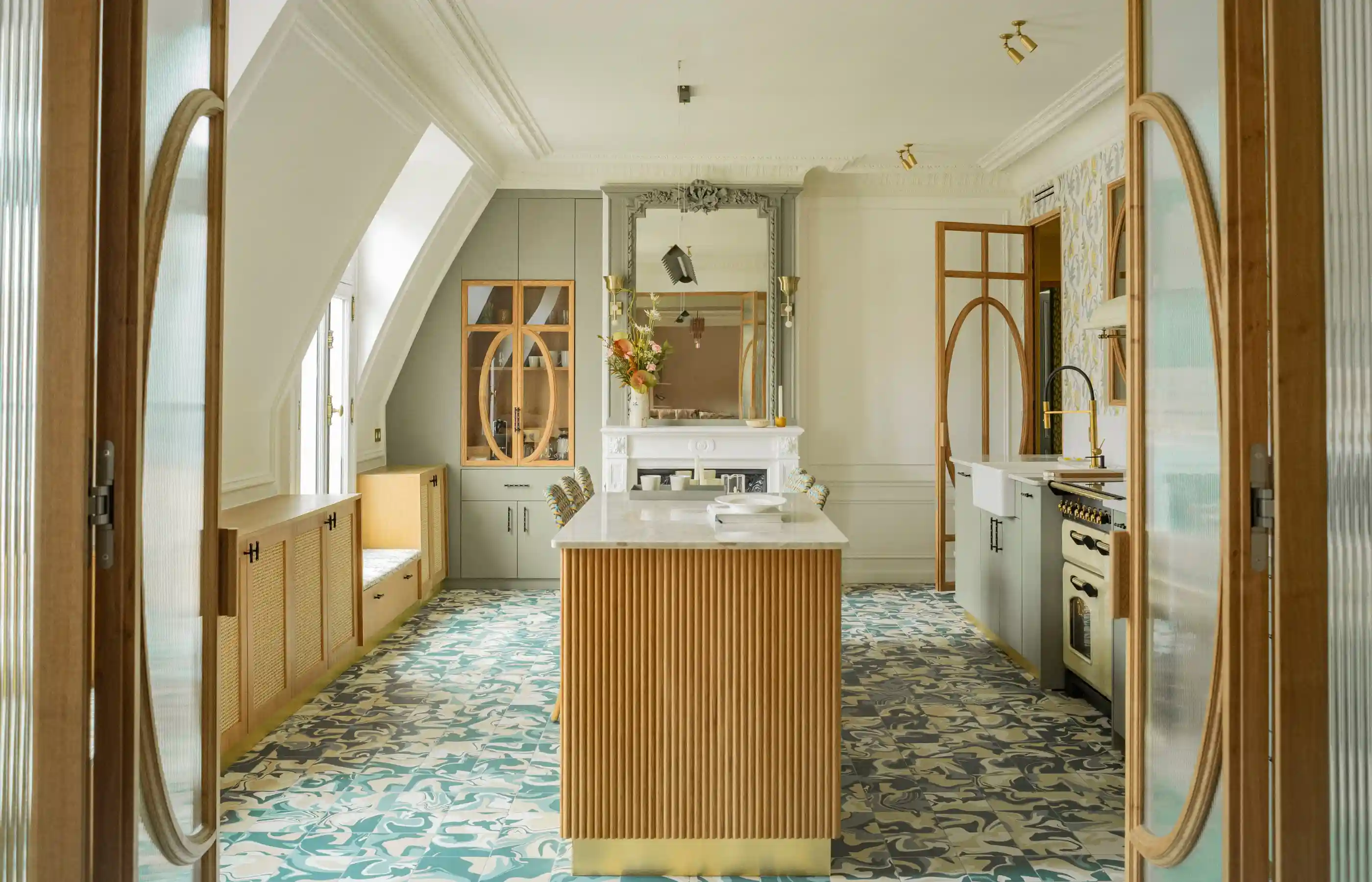
Similarly, Victor’s Haussmannian apartment, in the Ternes neighbourhood of the 17th arrondissement, was completely reimagined for modern family life. The kitchen, once separated from the reception rooms, is now the beating heart of the apartment.
Frequently asked questions


75006 Paris