.svg)



Guide to renovating a house in 2026
Why renovate a house?
Renovating a house is an opportunity to:
- adapt your home to your lifestyle
- save on energy costs
- improve occupant comfort
- increase the property's value
To adapt the interior to your lifestyle
Your needs evolve, and your home should too. Renovating a house means ensuring every square meter meets your current and future needs.
To adapt your home to your lifestyle, you could, for example:
- Convert an office into a nursery to welcome a new member to the family.
- Open up the kitchen to the living room to create a larger, more social living space.
- Convert the attic to provide a teenager with a more independent space or to create a secluded master suite.
- Create custom storage solutions to optimize every nook and cranny and declutter your living areas.
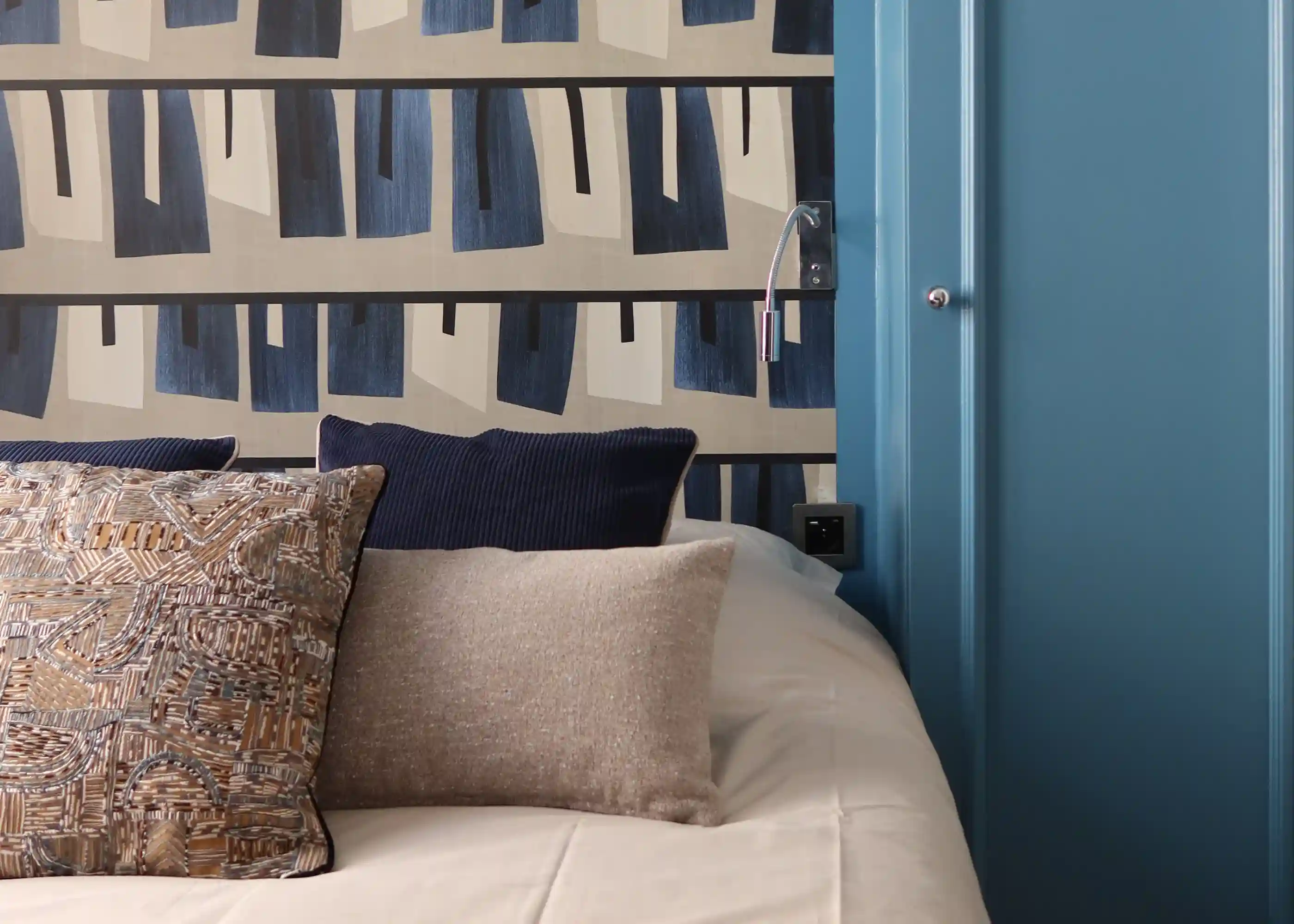
At Maison Kyka, we offer a turnkey renovation for your home. Our interior design studio, project managers, and skilled craftsmen are here to listen and help you transform your home into a living space tailored to your daily life.
To save on energy costs
A house consumes too much energy if it is poorly insulated or heated by outdated equipment, which impacts both your bills and your household's carbon footprint. Renovating your home is therefore the perfect opportunity to take control of your energy expenses. By targeting the right improvements, you can drastically reduce your costs while increasing the value of your property.
Here are the most strategic areas to address to lower your energy expenses:
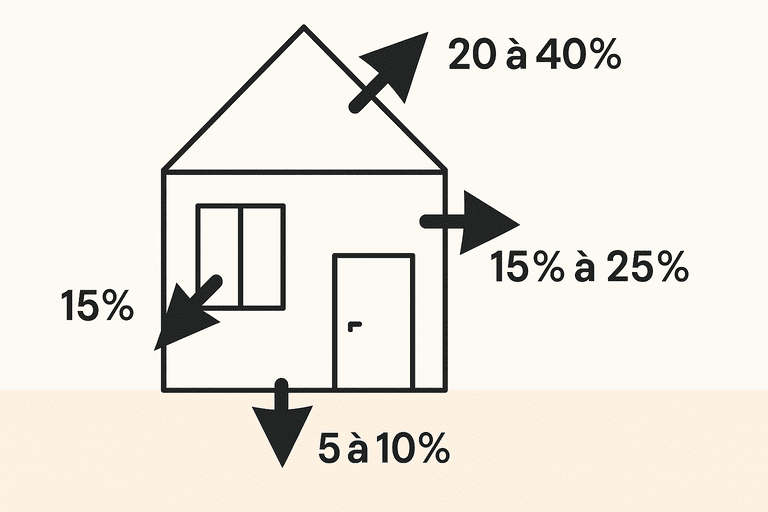
- Roof and wall insulation: according to ADEME, up to 40% of heat can escape through a poorly insulated roof and up to 25% through the walls.
- Window insulation : installing high-performance double glazing helps reduce heat loss.
- Efficient heating : replacing an old oil or gas boiler with a heat pump or a pellet boiler can, in some cases, cut your bill in half.
- Smart home technology : adding a programmable thermostat or connected devices optimizes your home's energy consumption.
At Maison Kyka, we can help you target the most cost-effective renovations based on your budget, your consumption habits, and your home's performance.
To improve the comfort and safety of occupants
Older homes do not always meet the standards of comfort and safety expected today. Renovating can be justified by the need to create a more pleasant and healthier living environment.
Here are a few examples of renovations that can improve a home's comfort:
- Installing a more efficient heating system to avoid cold rooms and temperature fluctuations from one room to another.
- Updating window and door insulation, to eliminate the feeling of cold surfaces near windows or walls.
- Improving interior acoustics by installing soundproofing (on walls, floors, or ceilings) for more peace and quiet in every room.
- Rethinking lighting can have a major impact on occupant comfort
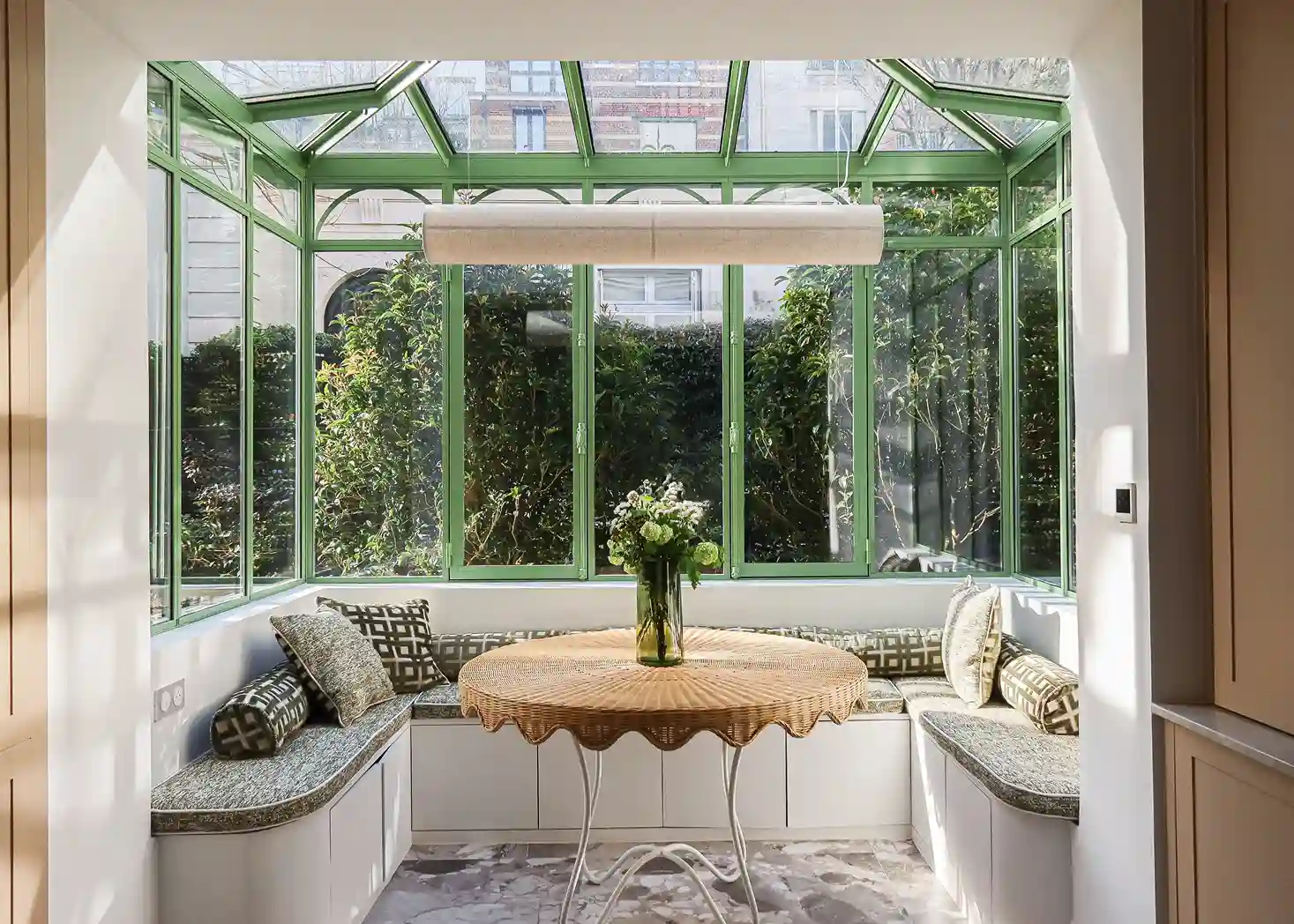
Beyond comfort, renovating a home also helps strengthen occupant safety:
- Bringing electrical installations up to code : in homes built before the 1990s, poorly positioned outlets, exposed wires, or outdated panels can pose a real risk of electrocution or house fires.
- Plumbing inspection : replacing old pipes helps prevent water leaks and potentially dangerous mold.
- Improving ventilation : a suitable mechanical ventilation system (VMC) limits humidity issues and protects occupants from indoor pollutants.
- Effective ventilation : a single or dual-flow mechanical ventilation system protects occupants from indoor pollutants by limiting humidity and improving air quality.
- Securing stairs, balconies, and railings : these often-overlooked elements can be brought up to code to prevent falls and household accidents.
To increase the home's market value
The charm of period features combined with modern comfort is highly sought after in the real estate market. Provided the work is carried out intelligently, renovation canincrease a property's value. It is often more profitable to renovate a house before selling it than to sell it with work still required.
Here are a few examples of renovation projects that can increase a home's value:
- Improve energy performance : a good energy performance rating reassures buyers and attracts rental investors, which helps increase the property's value.
- Modernize key rooms : renovating and updating the kitchen or bathroom—the heart of any home—often allows for a higher selling price.
- Upgrade electrical, plumbing, and heating systems : a home that is safe and requires no major work is much easier to sell.
- Focus on the finishes : durable materials, harmonious colors, and a functional layout increase the chances of creating a "love at first sight" impression during viewings.
At Maison Kyka, our team of property finders and interior designers supports you through every step of the property buying process and its renovation. Our goal is to help you make the right choices to sustainably increase the value of your (future) home.
“I was supported by Maison Kyka in carrying out my project and I am very satisfied with the result! The entire team listened to me and perfectly understood my expectations. I am delighted to have been supported by the Maison Kyka service and I recommend that anyone who wants to carry out a custom and innovative real estate project go for it with them!”
Olivier Dhalluin
What types of work should be done to renovate a house?
Many types of work can be considered when renovating a house:
- Demolition and partitioning
- Thermal and acoustic insulation
- Replacement of windows or frames
- Replacement of the heating system
- Renovation of electricity and plumbing
- Replacement or installation of a ventilation system
- Painting ceilings and walls
- Replacement of floor coverings
- Kitchen renovation
- Attic renovation
- Bathroom renovation
Demolition of existing structures (if necessary) and partitioning
To be able to build something new, you sometimes have to deconstruct the old first. This is why, during a renovation, certain parts of the house may be removed, modified, or reorganized to allow for a more coherent redistribution of space.
However, the goal is simply to remove what is hindering the optimization or modernization of the home.
Here are some common examples of useful demolition:
- Taking down a partition wall to open up a kitchen to the living area or enlarge a living space.
- Removing an old fireplace to free up space and modernize the layout.
- Dismantling a drop ceiling to gain height and brightness.
- Knocking down a load-bearing wall when technically feasible.
Once the space has been cleared, partitioning involves using suitable materials to rearrange the house according to your tastes and needs:
- Drywall (plasterboard): quick to install, ideal for easily separating two rooms.
- Acoustic partition : recommended for keeping bedrooms quiet.
- Water-resistant partition : used in damp rooms such as a bathroom or laundry room.
- Glass partition : to define spaces while letting light through.
Thermal and sound insulation
When it comes to thermal performance, insulation aims to limit heat loss in winter and keep your home cool in summer. Here are the priority areas to address:
- Attics and roofing : this is where heat escapes first.
- Walls : these can account for 15 to 25% of heat loss. They can be insulated from the inside or the outside.
- Floors : insulating the floor reduces cold drafts in ground-floor rooms.
For acoustics, the goal is to dampen noise, whether it comes from outside or from an adjacent room. Several solutions are available:
- Insulating shared walls
- Installing an acoustic drop ceiling between floors
Replacing windows and frames
Replacing windows and frames is a highly effective way to improve your home's thermal and acoustic insulation. Old windows, especially single-pane ones, let in cold, humidity, and drafts. The result: energy loss, rising bills, and a chilly feeling even when the heat is on.
Here are the factors to consider regarding windows and frames:
- Glazing : opt for high-performance double glazing (such as 4/16/4) or triple glazing if your home faces north or is in a very cold climate.
- Frames : whether aluminum, PVC, wood, or a hybrid (wood/aluminum), each material has its benefits. PVC is cost-effective, wood is premium, and aluminum is exceptionally durable.
- Sealing : properly installed windows prevent air and water leaks.
- Shutters : replacing or motorizing existing shutters improves both the insulation and security of your home.
In older or listed buildings, be mindful of local planning regulations: certain materials or types of joinery may be mandated by the Architecte des Bâtiments de France.
At Maison Kyka, we recommend installing windows with excellent energy performance due to their impact on your utility bills and overall comfort.
Installing an efficient heating system
An outdated, poorly regulated, or ill-suited heating system is often synonymous with thermal discomfort, energy waste, and high bills.
Modern heating equipment and systems consume less, heat more effectively, and can be controlled to adjust consumption hour by hour, and even room by room.
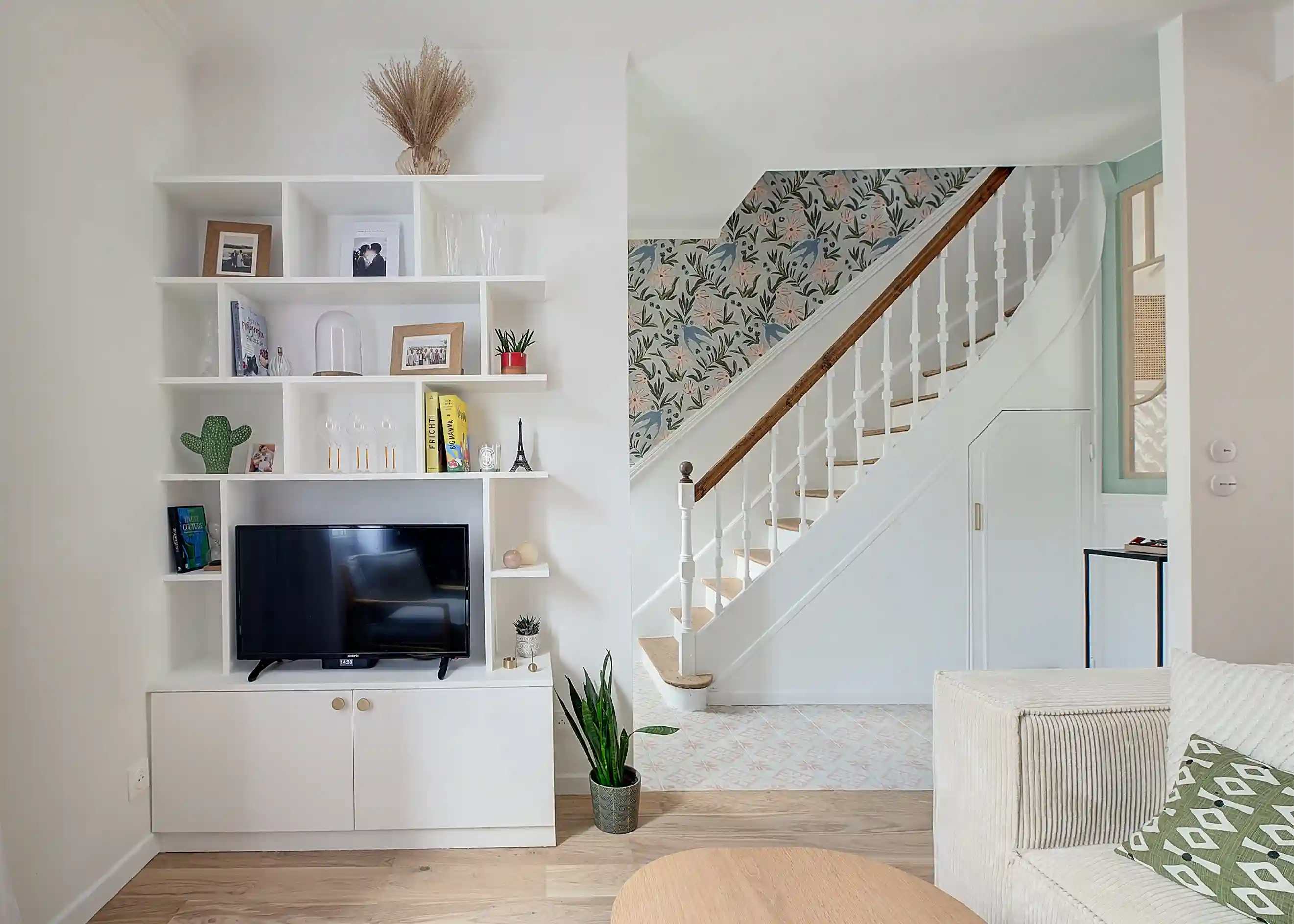
Here are some examples of solutions commonly installed during a home renovation:
- Air-to-water heat pump : ideal for replacing an oil boiler, it powers underfloor heating or existing water-based radiators.
- Pellet stove : it quickly heats a large living area and reduces the load on your central heating.
- Gas condensing boiler : highly efficient, it can be a good alternative if you are already connected to the gas grid.
- Inertia electric radiators : more efficient than standard convection heaters, they provide a gentle and constant heat.
At Maison Kyka, we help you choose the heating system best suited to your consumption habits and the specific features of your home.
Electricity and plumbing
Behind the walls, what you don't see is just as important as what catches the eye.
When renovating an older home, upgrading the electrical system allows you to:
- Improve home safety : an electrical installation that does not meet current standards (NF C 15-100) poses a risk of electrocution or fire.
- Adapt to modern needs: an electrical renovation allows you to create new circuits, add outlets (including RJ45 for internet), and rethink your lighting.
Regarding plumbing, here are the most common tasks during a renovation:
- Replace aging pipes (often made of lead or galvanized steel) that are at risk of corrosion or leaks.
- Optimize water systems : by modifying supply and drainage lines, you can redesign your kitchen or bathroom layout.
- Install energy-efficient equipment : thermostatic faucets, dual-flush toilets, smart water heaters, etc.
Ventilation
Ventilation is often the neglected aspect of a renovation, yet it plays a major role in the comfort and durability of your home. A poorly ventilated home accumulates moisture and degrades indoor air quality, which is harmful to both your health and your building materials.
Improving ventilation allows for continuous air renewal without unnecessarily cooling the interior, prevents mold (especially in wet rooms), and limits unpleasant odors.
Here are some examples of solutions often found in a renovated home :
- Humidity-controlled single-flow mechanical ventilation (VMC) : it automatically adjusts airflow based on humidity levels,
- Dual-flow mechanical ventilation : it recovers heat from outgoing air to warm up incoming air.
- Assisted natural ventilation : in some cases, existing ducts can be paired with air extractors to improve circulation without a complete overhaul.

Painting ceilings and walls
In a renovation, repainting walls or ceilings is a quick and simple way to enhance natural light and personalize rooms to suit your taste.
Here are a few signs that it might be time for a fresh coat of paint:
- The paint is peeling, yellowing, or cracking in places.
- Black spots are visible around windows, on the ceiling, or near heat sources.
- Repairs (patching, partitioning, installing outlets) have left marks behind.
- You no longer feel in sync with the colors or the overall mood of the room.
At Maison Kyka, our painters use techniques tailored to each space—washable, breathable, matte, or satin finishes—always with a high-end result. With our interior design studio, all you have to do is choose the shades that suit you best.
Installing flooring
When renovating a home, choosing the right flooring can improve comfort, maintenance, acoustics, and the perception of space. It is also an opportunity to correct flaws in old floors, such as unevenness, squeaking, or materials that are worn or unsuited to the room's use.
Here are some types of flooring often favored, depending on the room and your needs:
- Engineered hardwood flooring : warm and elegant, it is well-suited for bedrooms and living areas.
- Tile : ideal for kitchens and bathrooms, it has the advantage of being robust and easy to maintain.
- Vinyl or PVC flooring : affordable and easy to install, it effectively mimics wood or concrete and is well-suited for high-traffic areas.
- Polished concrete or resin : a trendy choice for contemporary interiors, it provides a smooth, seamless surface.
- Carpet : appreciated for its acoustic and thermal comfort, especially in bedrooms.
Kitchen renovation
The kitchen is a central part of any home—a space for preparing, sharing, and living. Over time, the original layout may no longer meet your needs. Cabinets wear out, appliances become obsolete, and the flow can become impractical. Renovating allows you to start fresh with a better-planned layout and durable materials.
Here are some examples of work to consider when renovating a kitchen:
- Replace upper and lower cabinets with more ergonomic modules featuring soft-close hinges, pull-out drawers, or corner storage.
- Upgrade countertops to a more durable material: quartz, marble, recycled plastic, etc.
- Rethink the lighting by adding recessed spotlights or LED strips.
- Modernize appliances: built-in ovens, induction cooktops, quiet range hoods, and energy-efficient refrigerators.
- Redo floors and walls: for a kitchen that is easier to maintain (tile, washable paint, etc.).
Attic renovation
Renovating an attic allows you to gain living space, increase your home's value, and create a new living area.
Provided they are properly insulated, well-ventilated, and have enough headroom for comfortable movement, attics can be transformed into a bedroom, playroom, quiet home office, or even a master suite with an en-suite bathroom.
Here are some examples of work to consider when renovating an attic:
- Reinforcing or modifying the roof structure if it obstructs the layout of the space.
- Thermal (and sometimes acoustic) insulation to ensure comfort in both summer and winter.
- Installing roof windows or dormers to bring in natural light.
- Installing a subfloor, electrical wiring, heating, and plumbing connections based on the intended use.
- Installing a practical and secure staircase for access.
Bathroom and restroom renovation
A renovated bathroom improves comfort for all occupants: it makes daily routines easier, reduces the risk of falls, and increases the overall value of the home. It is also the perfect opportunity to install more water- and energy-efficient fixtures.
Here are some common examples of work involved in renovating a bathroom or restroom:
- Replacing the bathtub with a walk-in shower, which is safer and more practical, especially for the elderly or children.
- Installing a vanity unit with integrated storage to optimize space.
- Installing wall-hung toilets for easier cleaning and a more aesthetically pleasing look.
- Updating plumbing and electrical systems to code, including waterproof lighting and safety-rated outlets.
- Replacing wall and floor coverings with durable, non-slip, and moisture-resistant materials.
At Maison Kyka, we begin every renovation project with a comprehensive assessment of the existing space and an analysis of your priorities. This strategic step allows us to build a realistic schedule, a controlled budget, and a clear roadmap for the entire project.
“Maison Kyka is an incredible experience and team! I am the happy new owner of a property that was entirely sourced and renovated by Maison Kyka! A first-time purchase is complicated and intimidating, so having support under these conditions is simply the best experience possible!”
Jordan Lorho
The 6 stages of a renovation project
A home renovation project takes place in 6 stages:
- Identifying and prioritizing the work to be done
- Estimating the project budget (including subsidies)
- Scheduling the work over time
- Handling the necessary administrative procedures
- Selecting contractors
- Monitoring the project until completion

1. List and prioritize the renovation work to be carried out in the house
To begin, it is essential to have a clear vision of the initial state of your home. This first step allows you to detect any potential structural issues and gauge the scale of the planned renovation.
This involves conducting a technical assessment of the house: roof, walls, floors, electrical systems, plumbing, heating, ventilation, joinery, etc.
To do this, you can rely on mandatory property inspections, such as:
- The Energy Performance Certificate (DPE)
- The electrical inspection
- The gas inspection
- Sanitation inspection
Once you have identified the list of necessary work, you need to set priorities. You cannot do everything at once, nor with the same budget. The goal is to distinguish between:
- Urgent work (roof repairs, dangerous electrical installations).
- Structural work (remodeling, creating openings, insulation).
- Technical work (heating, plumbing, ventilation).
- Finishing touches and interior design, which can be addressed at a later stage (if necessary).
This prioritization of work can be supported by an architect or project manager. Their professional experience helps avoid mistakes and envision layout solutions that you might not initially consider.
2. Define the renovation budget
A successful renovation starts with a well-defined budget. Begin by distinguishing between the work you can do yourself (painting, minor improvements, decoration, etc.) and work that requires qualified professionals (structural work, electricity, plumbing, insulation, etc.).
Next, obtain several quotes for each trade. Compare the proposals, check that the services are detailed item by item, and ensure that the materials offered meet your expectations in terms of quality and durability.
Include the following in your budget:
- The cost of technical inspections and any preliminary studies.
- Fees for an architect or project manager if you are working with one.
- A safety margin (5 to 15%) for unforeseen construction costs.
- Costs related to administrative procedures, insurance, or utility connections.
- Financial aid you may be eligible for (see below).
Once you have estimated your budget, you can prepare your financing plan. Some banks require a detailed description of the work, signed quotes, and proof that the chosen contractors are properly insured and qualified. The clearer your application, the better your chances of obtaining a home improvement loan or a mortgage that includes renovation costson favorable terms.
At Maison Kyka, we help you establish a realistic budget tailored to your project and your financing capacity. We work with complete transparency to enable you to make informed choices from the very first design phases.
“My experience with this team was exceptional. My architect perfectly understood my expectations, and the project team was always attentive. My project was delivered on time, and the final result is fantastic. I am very satisfied with the service I received..”
Lyrod Levy
3. Scheduling the different types of work over time
In a renovation project, the order of work is important, and a well-thought-out schedule helps avoid unnecessary work, backtracking, and delivery delays.
As a general rule, home renovation typically consists of three main phases, ranging from the most structural to more aesthetic :
- Structural work refers to work involving the building's structure (demolition, masonry, roofing, framework, opening load-bearing walls, sanitation, etc.).
- Interior finishing includes technical elements such as electricity, plumbing, insulation, heating, joinery, or partitions.
- Finishing touches include painting, installing flooring and custom furniture, decoration, etc.
Please note, the planning of a renovation project must also take into account:
- Material delivery times, which can vary depending on suppliers and the nature of the products (custom tiles, fitted kitchens, exterior joinery, etc.).
- The availability of the various trades to avoid detrimental overlaps or periods of inactivity.
- Your own constraints: move-in date, occupancy of the home during the work, bank deadlines, etc.
At Maison Kyka, a renovation project manager ensures coordination between the site supervisor, the technical director, the craftsmen, and the team dedicated to purchasing the materials and equipment necessary for the smooth running of the project. This way, every stage of the project proceeds seamlessly, on time, and in compliance with the specifications.

4. Complete administrative procedures
A common mistake is starting work without authorization, thinking it will go unnoticed. However, many renovations require a declaration to the town hall or even a building permit. Anticipating these steps saves you from penalties, delays, or having to redo work.
The type of authorization depends on the nature and scale of the work:
- A prior declaration of works is generally sufficient for projects that do not alter the structure of the house (installing windows, facade renovation, installing a small pergola or carport, etc.).
- A building permit is mandatory for any extension over 20 m², vertical additions, changes of use (e.g., converting a garage into a living space), or certain work impacting the load-bearing structure.
To avoid any unpleasant surprises, it is recommended to hire a professional who knows the local urban planning rules (PLU) and ensures that all documents are in order before the project begins.
5. Choosing qualified and certified tradespeople
Home renovation can involve many different trades: masons, roofers, carpenters, drywallers, electricians, plumbers, heating engineers, painters, tilers... and sometimes tradespeople with more specific skills, such as waterproofers, ironworkers, or solar panel installers.
To ensure that the work is carried out to professional standards, several checks are necessary before signing a quote from a tradesperson:
- The legal existence of the company (Kbis extract, SIRET number).
- A valid ten-year liability insurance policy.
- The RGE label (Recognized Guarantor of the Environment) for work eligible for government grants (insulation, heating, windows, etc.).
- Verifiable references : project photos, client reviews, and sites available for viewing.
At Maison Kyka, we work with our own team of skilled craftsmen, selected for the quality of their work, their transparency, and their commitment. This allows us to carry out renovation projects with greater autonomy, higher standards, and fewer unexpected issues.
6. Monitor project progress until completion
Before work begins, remember to prepare the space: clear out the rooms being renovated and protect any furniture or flooring that will remain in place.
During the project, holding regular meetings helps to:
- Approve completed stages before moving on to the next.
- Verify that materials and finishes meet specifications.
- Answer questions from the tradespeople or clarify specific details.
- Ensure the project stays on schedule.
- Take photos of technical elements (wiring, insulation, structural components) before they are covered up.
The final stage of a renovation project is the handover. Before signing the handover report, take the time to inspect everything: check that equipment is working properly, examine the finishes, and ensure everything matches the original plans. If you have any doubts, you have the right to note reservations and request corrections for any non-compliant items before final approval.
At Maison Kyka, we assign a dedicated project managerto every site, who acts as the point of contact between you, the site supervisor, the craftsmen, and the suppliers. We keep you informed of the project's progress, step by step, so you can follow your renovation with complete peace of mind.
"I just purchased my second property and Maison Kyka handled everything from A to Z. From the initial search to the renovation work, the architect managed to capture exactly what I had imagined, but even better! The team is responsive, which allowed me to save time and hand over the renovation process with total peace of mind! Thanks again, I highly recommend them!"
Adrien Balikdjian
Available grants and subsidies for home renovation
Home renovation projects may be eligible for various forms of financial assistance:
- MaPrimeRénov’
- MaPrimeRénov’ Sérénité
- The zero-interest eco-loan
- Energy savings certificates
- A reduced VAT rate of 5.5%
- Tax incentives (for listed buildings or properties in protected areas)
MaPrimeRénov’
MaPrimeRénov’ is the most well-known grant for financing energy renovation work. Established by the government, it is available to all homeowners, whether they are occupants or landlords. While there are no income requirements to qualify, the grant amounts vary based on your income level and the nature of the work.
This grant covers a wide range of projects, provided they are carried out by RGE-certified contractors (Recognized Guarantor of the Environment). This includes, among others:
- Insulation for walls, attics, and floors.
- Replacing a heating system with a more efficient solution (heat pumps, pellet boilers, etc.).
- Installing dual-flow ventilation or solar thermal panels.
MaPrimeRénov’ prioritizes funding for high-performance renovations, meaning projects that significantly improve your home's energy efficiency.
Consequently, certain expenses are not covered by MaPrimeRénov’, such as surface area extensions, purely aesthetic work, or renovations that do not have an energy-saving objective.
MaPrimeRénov' Sérénité
MaPrimeRénov’ Sérénité is an enhanced version of MaPrimeRénov’. It is intended for owner-occupiers with modest or very modest incomes who wish to undertake a comprehensive renovation of their home.
To be eligible, you must:
- Be an owner-occupier of a home that is over 15 years old, located in metropolitan France or overseas territories.
- Not have received a zero-interest loan in the last 5 years (with some exceptions).
- Carry out a package of works that achieves at least 35% energy savings.
- Use RGE-certified professionals for the completion of the work.
The zero-interest eco-loan
Thezero-interest eco-loan or “eco-PTZ”, is an interest-free loan that helps finance your energy renovation projects. It is provided by banks partnering with the government and can be repaid over a period of up to 20 years.
This loan is available to all homeowners, whether occupying or renting out the property, with no income requirements. It applies only to primary residences built more than two years ago, located in metropolitan France or overseas territories.
The loan amount granted depends on the number of work categories completed:
- Up to €15,000 for a single category (e.g., attic insulation only).
- Up to €25,000 for a combination of two categories.
- Up to €30,000 for three or more projects, or for a comprehensive renovation.
- Up to €50,000 if you carry out a comprehensive renovation that achieves a 35% energy saving.
Energy Savings Certificates
The Energy Savings Certificates (CEE) help fund part of your renovation work through grants, paid directly or via partners.
This aid is available to all households regardless of income, although the amounts are higher for low-income or very low-income households.
In practical terms, the grant amount depends on:
- The type of work undertaken.
- The surface area treated.
- The household's income level.
Reduced VAT at 5.5%
For energy renovation projects, certain work qualifies for a Reduced VAT rate of 5.5% instead of the standard 20% rate.
This reduced VAT rate applies only to homes completed more than two years ago, whether they are owner-occupied or rented out as a primary residence.
Here are some examples of work eligible for the 5.5% VAT rate:
- Thermal insulation work (attics, walls, floors, roofs).
- Installation of high-performance exterior joinery (double or triple glazing).
- Installation or replacement of a more energy-efficient heating system (condensing boiler, heat pump, wood stove, etc.).
Grants and tax incentives for renovating a listed property
Renovating a listed property or one located in a Remarkable Heritage Site provides access to grants or attractive tax benefits:
- State grant : up to 40% of renovation costs covered for a property listed as a Historical Monument, subject to approval of the work by the DRAC and the Architect of French Buildings.
- Malraux Law : up to a 30% tax reduction on the cost of work (capped at €400,000 over 4 years), in exchange for renting out the property for 9 years.
- Historical Monuments Law : 100% tax deduction of renovation expenses from your income, with no cap, provided you keep the property for at least 15 years.
Partner with Maison Kyka for expert guidance at every stage of renovating a listed or heritage-protected property.
“I 100% recommend the Maison Kyka experience! There’s zero mental load because they handle absolutely everything, and the team is so responsive to needs and requests, which makes the whole process incredibly smooth. A huge thank you to Maison Kyka!”
Perrine Jouve


.svg)