.svg)


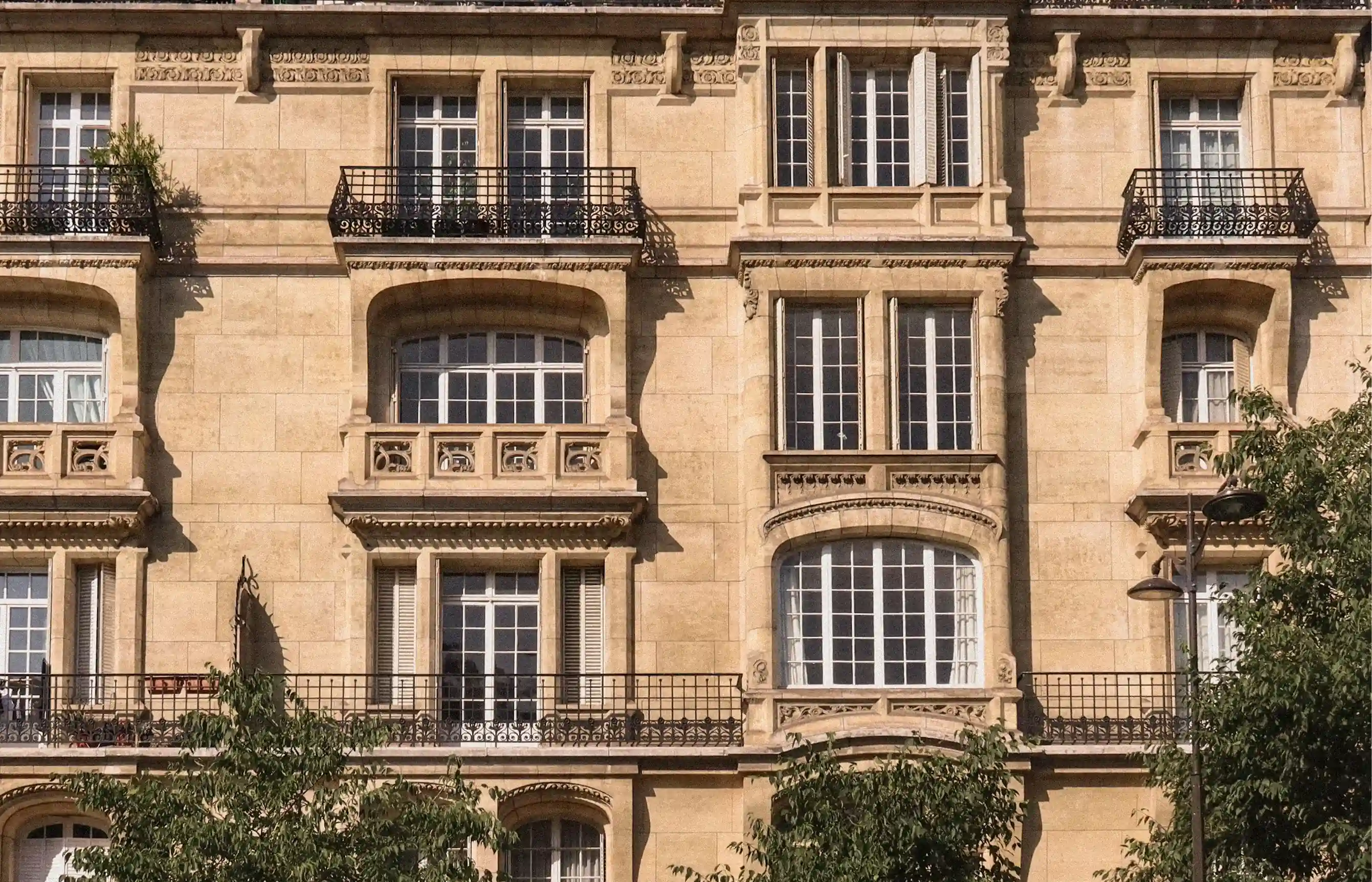
Why invest in an older property?
One of the first steps in a real estate purchase is choosing the type of property you want to invest in. The dilemma between buying a new or older property arises, along with questions regarding the pros and cons of each category.Older real estate has specific characteristics that should be identified to ensure your purchase is a successful investment.
First of all, this term refers to houses, apartments, and buildings that have already been constructed and have had one or more occupants. In practical terms, a property is considered "older" once it has been completed for more than five years and has changed owners at least once.
This market segment is not defined solely by the age of the buildings. It is also characterized by its architectural diversity: Haussmann-style buildings, Art Deco structures, 1960s brutalist residences, or even classic homes. These properties are appealing for their character and high-quality materials.
Investing in older propertiesmeans gaining access to unique assets while benefiting from a dynamic market. Demand remains strong—driven by the appeal of city centers and the scarcity of land—while the supply remains varied. This balance creates a landscape of opportunities for both primary residence buyers and rental investors.
The benefits of older real estate today
Buying an older property offers several advantages:
- Purchase prices are more attractive compared to new real estate prices.
- Your investment can be supported by various tax schemes and financial aid.
- Combining a purchase with high-quality renovations increases the value of your real estate assets, whether for residential or rental purposes.
More attractive purchase prices
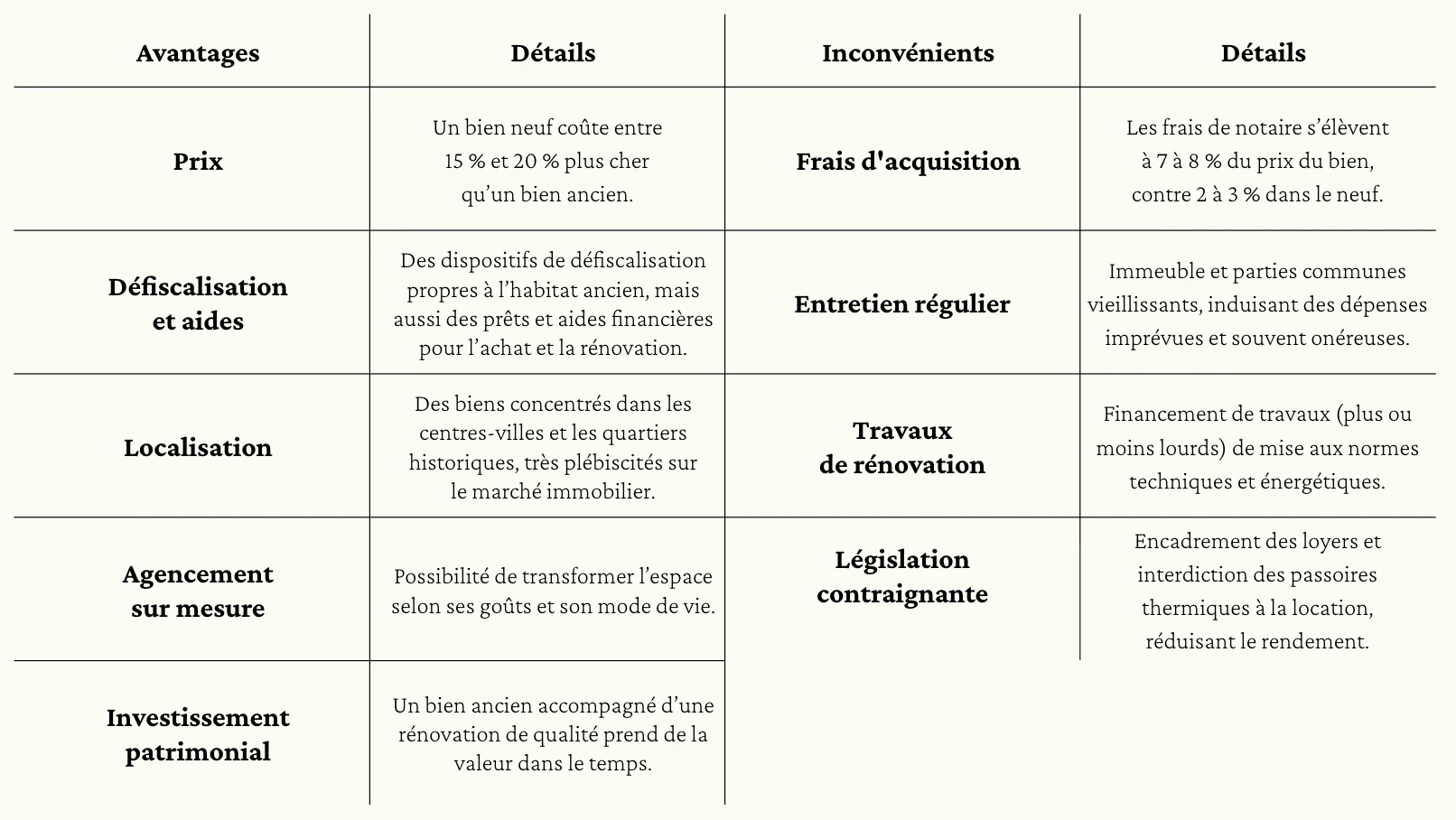
Investing in older properties is often favored due to the price per square meter: according to seloger.com, a new property costs between 15% and 20% more than an older one. In other words, for the same budget, you can consider buying a more spacious property that is often better located than a new build.
The lower price of older properties is due to several factors:
- Theage of the building : a building constructed 50 years ago, without an elevator or modernized common areas, holds less value than a well-equipped new residence.
- Thegeneral condition of the property : old windows, outdated electrical systems, energy-intensive heating—the extent of the renovation work required has a significant impact on the selling price.
- The charm of the authentic can drive up renovation costs (e.g., the requirement to install wooden windows rather than PVC when renovating a Haussmann-style apartment), which, paradoxically, can push the property's selling price down.
Provided you find a property that complies with DPE (energy performance) regulations, a rental investment in an older property is often more profitable because rent prices are correlated with living space and location.
If you are planning tobuy your primary residence, acquiring an older property allows you to invest a portion of your budget into renovations that enable you toincrease the property's value and the comfort of its occupants. In other words, investing in older properties makes it easier to achieve a capital gain upon resale.
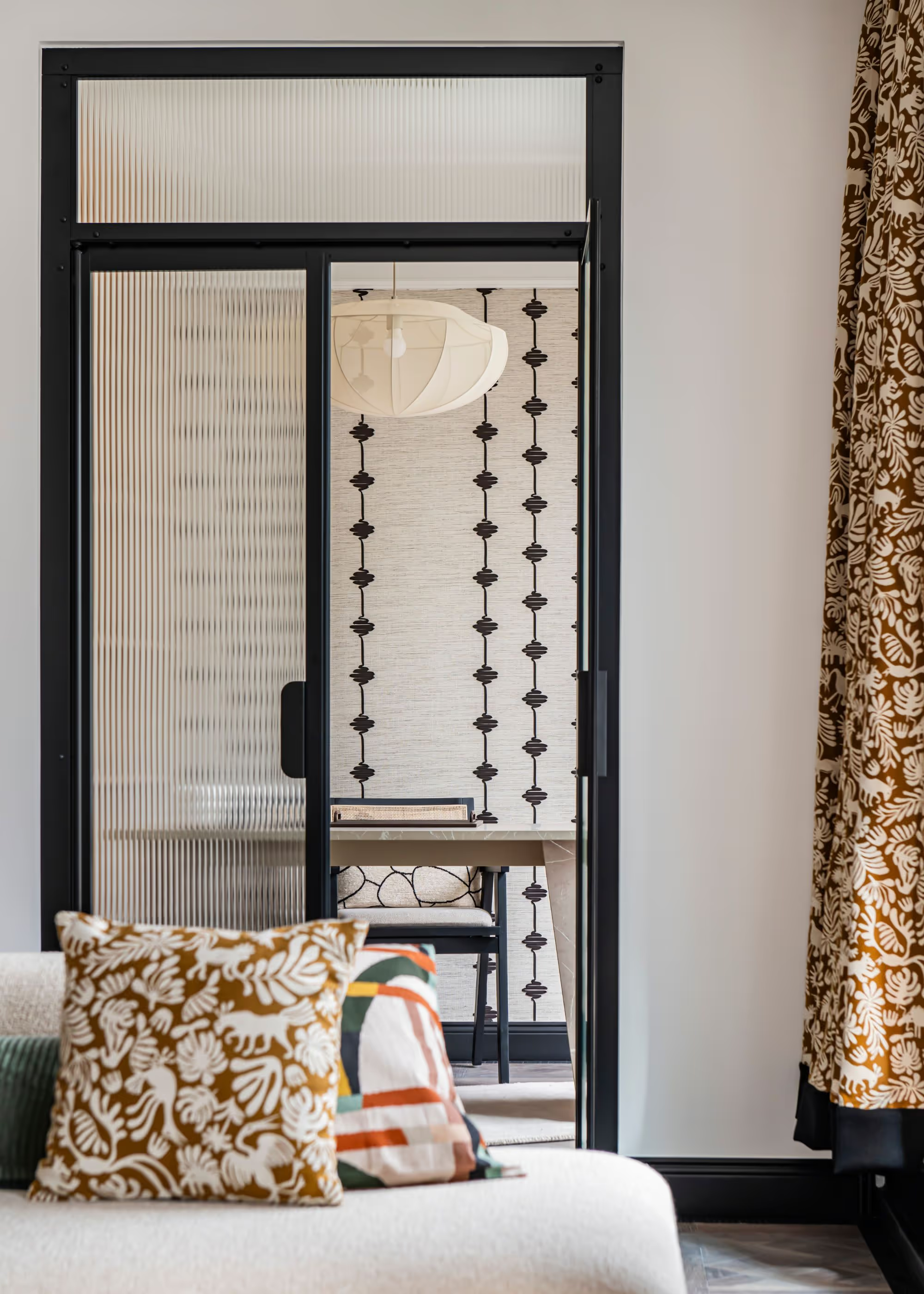
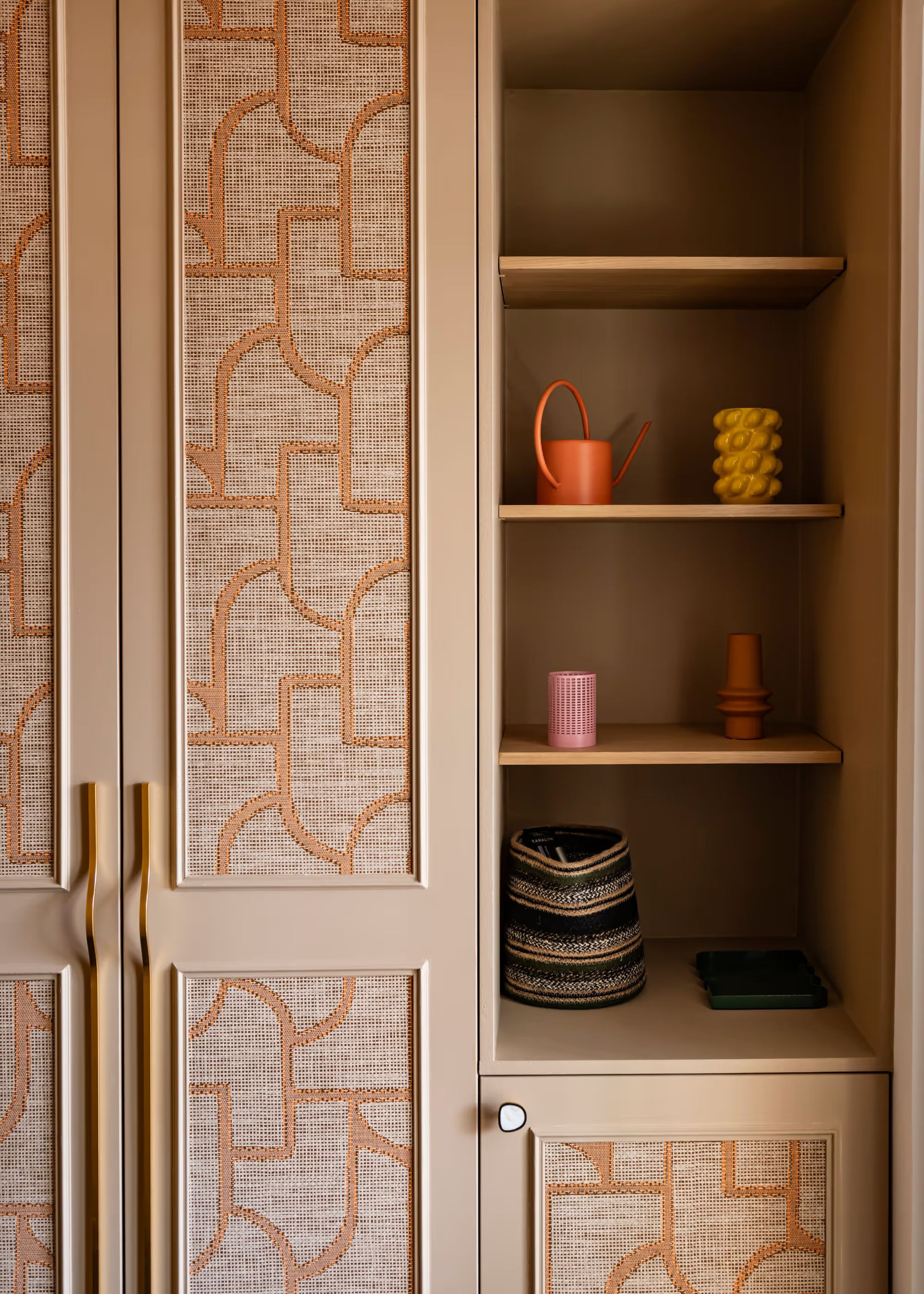
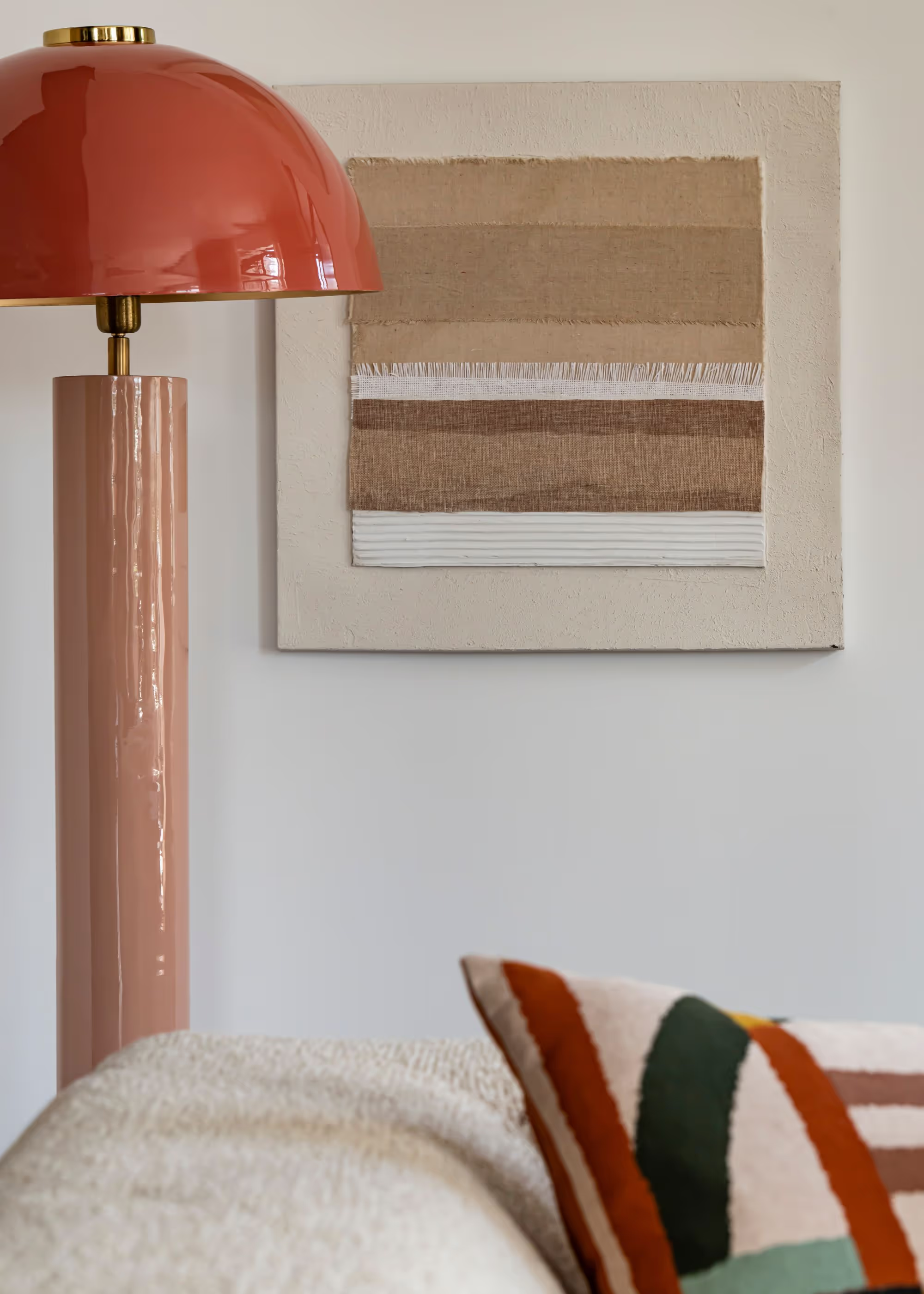
By choosing Maison Kyka, our team will support you through the search, purchase, and renovation of an older property. This comprehensive approach allows for better management of every aspect of your real estate project, ensuring you can make a great purchase without the stress.
An investment encouraged by favorable legislation
Tax incentive schemes for older properties
There are four tax incentive schemes that can be applied when investing in an older property:
- The Malraux Law : allows for a tax reduction of 22% or 30% of the renovation costs, depending on the property's location, provided that the work covers the entire building up to a maximum of €400,000. The property must be rented out as a primary residence within 12 months of the work's completion.
- The Historic Monuments Law : allows for a full (100%) deduction of restoration costs, provided the property is classified as a Historic Monument or listed in the supplementary inventory of historic monuments (ISMH), and is maintained by the owner.
- The Denormandie scheme : allows for a tax reduction of 12%, 18%, or 21% depending on the rental period (6, 9, or 12 years). Renovation costs must represent at least 25% of the total purchase price, up to a limit of €300,000. Rents and tenant income are capped, and the property must be located in an eligible area (Action Cœur de Ville, ORT, etc.).
- The Cosse Law or Loc’Avantages : allows for a tax deduction of 15% to 65% of rental income, and up to 85% when using a social real estate agency. An agreement must be signed with the Anah, rent must be regulated, tenant income is capped, and the property must meet energy efficiency standards (minimum DPE E, then D by 2028).
General tax mechanisms applicable to older properties
Four general mechanisms can assist you with your investment in an older property:
- Property deficit (déficit foncier) : allows you to deduct expenses and renovation costs from your rental income and carry forward the deficit against rental income for subsequent years (up to 10 years), applicable only under the actual tax regime (unfurnished rentals).
- The LMNP (Non-Professional Furnished Rental) status : offers tax advantages for furnished rentals, whether for new or older properties. Investors can choose the micro-BIC regime, which provides a 50% flat-rate deduction on rental income, or the real-regime, which allows for the depreciation of the property, renovations, and furniture, while deducting expenses (property tax, interest, fees). This mechanism often offsets rental income tax for 10 to 12 years.
- The Censi-Bouvard law : provides an 11% tax reduction on the pre-tax acquisition or cost price over 9 years, provided the property is a furnished unit in a managed residence (student housing, nursing homes, etc.).
- The energy renovation tax credit : allows you to deduct a portion of the expenses incurred to improve a property's energy performance (insulation, high-efficiency heating, ventilation). To qualify, the work must be carried out by RGE-certified professionals.
Loans and financial aid
Finally, purchasing an older property gives you access to several types of financial aid:
- The PTZ (Zero-Interest Loan) : intended for first-time buyers subject to income requirements, it finances a portion of the purchase of a primary residence in the older property market, provided that renovation work accounts for at least 25% of the total cost.
- The Eco-PTZ (Eco-Zero-Interest Loan) : offers up to €30,000 over 15 years to finance energy renovation work (insulation, heating, sanitation), available to both owner-occupiers and landlords.
- Anah (National Housing Agency) grants : subsidize up to 50% of the cost of energy renovation or adaptation work in exchange for a commitment to regulated rent (6 to 9 years), subject to rent and income conditions.
- Energy Savings Certificates (CEE) : offer bonuses that vary depending on the work and location, paid by energy suppliers, provided that you use RGE (Recognized Guarantor of the Environment) certified contractors.
High appreciation potential through renovation
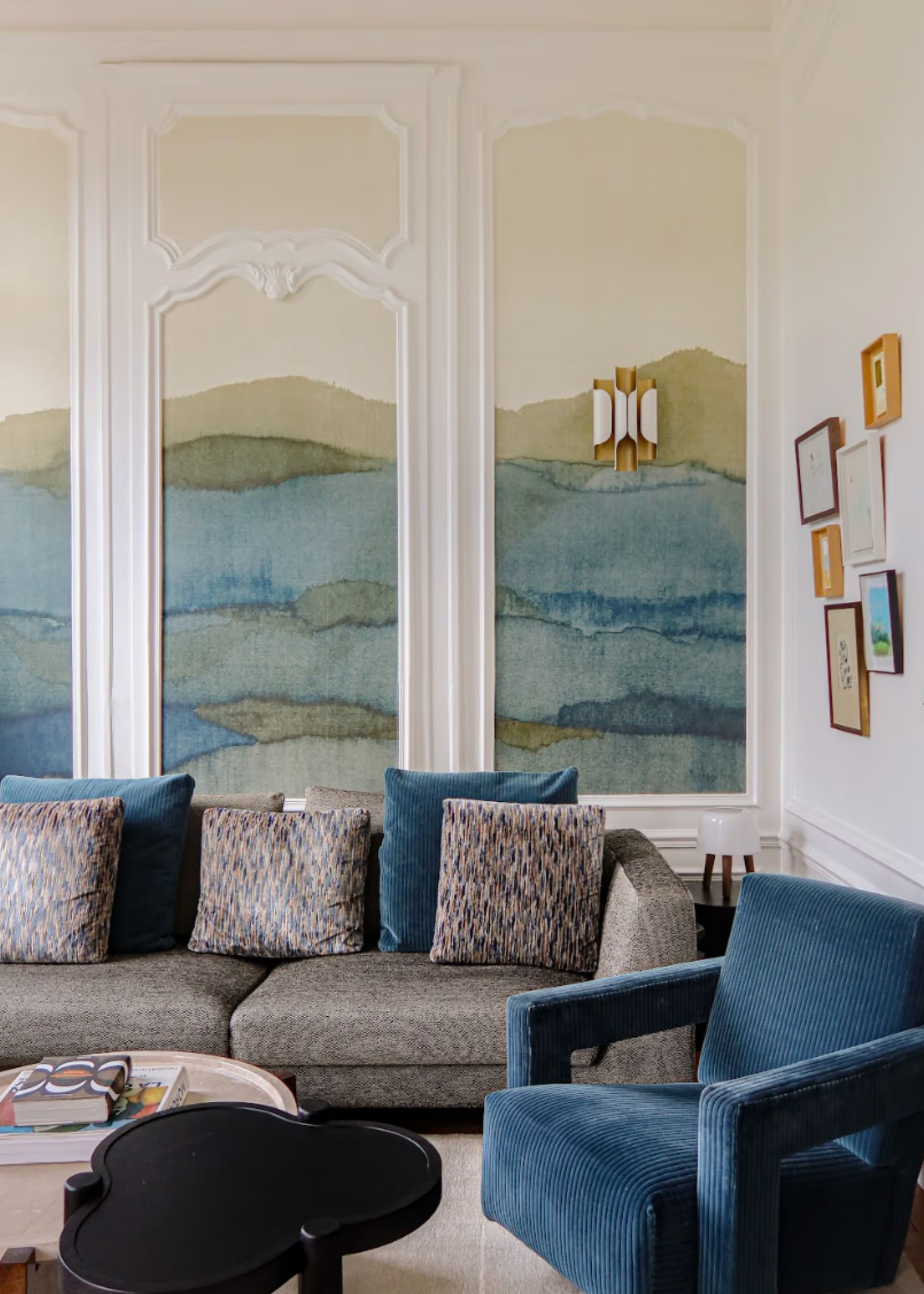
If you want to shape a property to your own taste, older homes are a very attractive option due to their high potential for transformation and value appreciation in the real estate market.
Three main levers support you in this project:
- The location : older properties are generally situated in prime areas—vibrant city centers, historic districts, or neighborhoods with excellent transport links. These strategic locations naturally attract both tenants and future buyers.
- The renovation : installing an open-plan kitchen, rethinking the flow between rooms, maximizing natural light, or improving thermal insulation are all actions that enhance a property's appeal and justify an immediate increase in value. From a rental perspective, renovating an apartment helps it rent faster, at a higher price, and reduces vacancy periods, especially in high-demand areas like Paris.
- The market stability : in the long term, real estate remains a safe haven. According toINSEE, prices for older homes in France more than doubled between 2000 and 2020, representing an average annual growth of 4 to 5%. Despite occasional slowdowns, real estate provides lasting protection against inflation and serves as a resilient asset for your portfolio.
Anticipating the drawbacks of investing in older properties
Avoiding the downsides of older properties is primarily about preparing your investment in advance:
- Budget for higher acquisition and maintenance costs compared to new builds.
- Anticipate potential renovation work and compliance upgrades.
- Research the legislation and co-ownership rules if you plan to rent out your future property.
Expect higher acquisition and maintenance costs
The notary fees average 7 to 8% of the property price, compared to only 2 to 3% for new builds. In other words, you need to plan for a larger down payment to cover this unavoidable expense.
Additional costs may also arise after the purchase. In older buildings,maintenance weighs more heavily on the budget. The roof, common areas, or aging plumbing require regular monitoring. Some repairs can be costly: facade restoration, replacing a communal boiler, or renovating the stairwell. These operations, which are essential for maintaining the property's value, can increase your annual expenses.
Anticipate renovation and compliance upgrades for the property
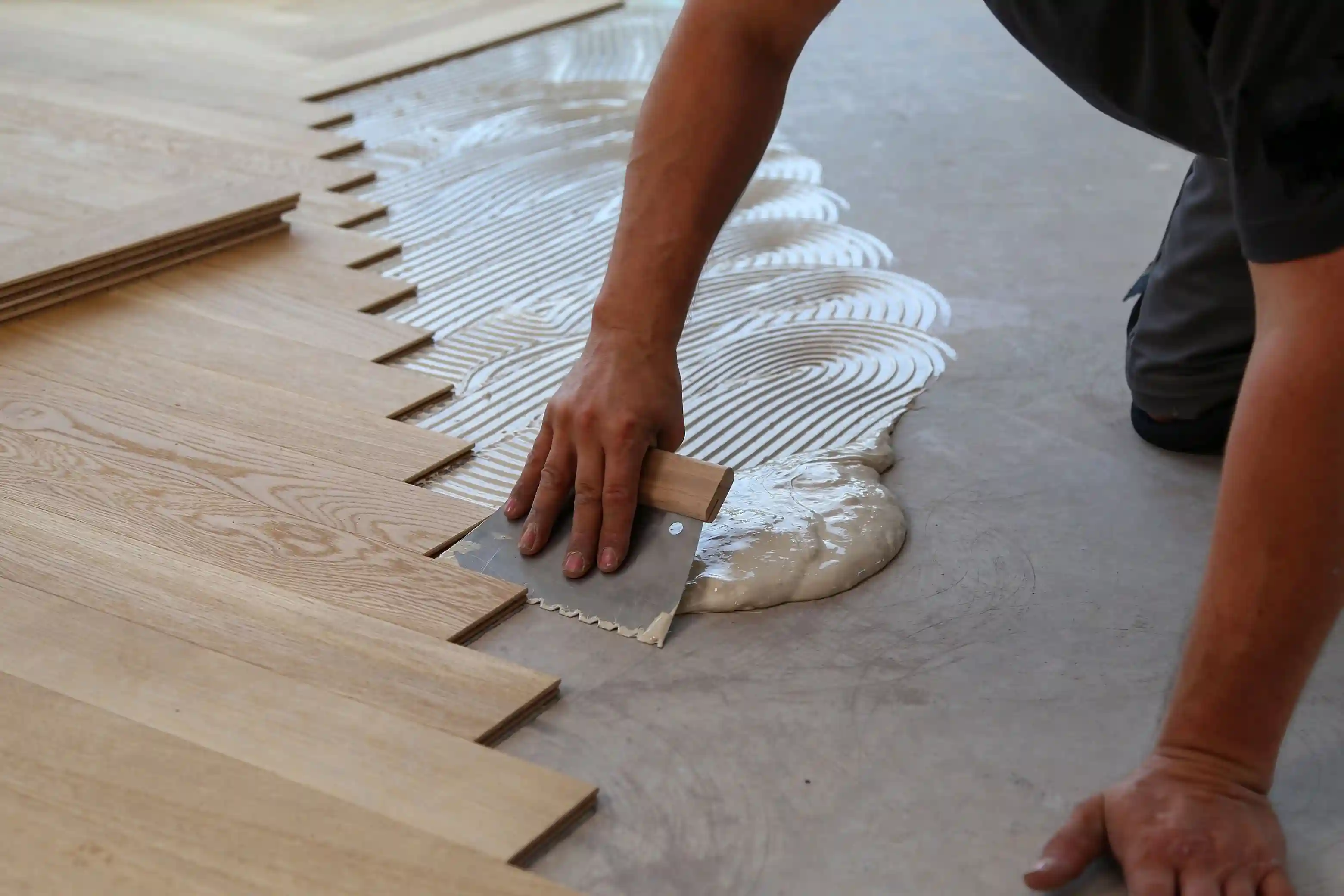
The renovation of a property and bringing it up to code is an almost standard step when buying an older home.
A thorough pre-purchase inspection is essential and helps with:
- Theidentification of priority work : thermal and acoustic insulation, electrical systems, plumbing, or heating.
- The detection of potential hidden defects such as dampness, water leaks, or the presence of lead or asbestos.
These renovations, while sometimes restrictive, can delay move-in dates and require rigorous planning. However, they also present a real opportunity to optimize space, increase natural light, improve the energy performance rating (DPE). This is precisely what a home renovationproject allows for, designed to balance comfort with increasing the value of your asset.
Working with professionals like Maison Kyka gives you peace of mind: clear budget estimates, project planning, and full compliance with current regulations.
The specifics of older rental properties
Buying a property to rent out means navigating certain regulatory constraints that can sometimes reduce the expected profitability of older real estate.
In major cities and high-demand areas, such as Paris or the Île-de-France region, rent prices are capped by the ALUR law. In practical terms, the rent cannot exceed a certain ceiling set by local authorities. Your flexibility is therefore limited, even if your property has been carefully renovated.
Added to this is the issue of energy performance ratings (DPE). Since January 2025, it has been illegal to rent out properties rated F or G, known as "thermal sieves." A large portion of older housing stock is affected by this. Before investing, check the property's energy rating and plan for energy-efficient renovations to bring it up to code.
Finally, the co-ownership association may impose its own rules. Some prohibit short-term rentals like Airbnb or restrict renovation work, such as installing an elevator. These constraints can directly impact your rental project and your return on investment.


In summary: pros and cons of older real estate
Are you considering investing in an older property? With Maison Kyka, experience personalized support from purchase to final finishes, and create the home of your dreams.


.webp)
.svg)