Share the article


realty
Article
Which cities in the Île-de-France region should you invest in real estate?
Summary
.webp)
While Paris is often seen as the ultimate place to invest in property, it is actually within the cities of Île-de-France that the most promising buying opportunities are emerging today. With its eight departments and nearly 1,268 municipalities spread across the inner and outer suburbs, the region offers a wide range of options suitable for all types of real estate projects.
The key challenge, however, lies in knowing where to look—the very first of many steps in purchasing property.
By analyzing territorial dynamics and selecting the most strategic cities for investment, Maison Kyka guides you through this comprehensive overview of the key areas across the Paris region.
Why buy in Île-de-France rather than in central Paris ?
Buying a property in Île-de-France is a wise choice for 3 main reasons:
- The price of real estate is lower than those in Paris within the city limits
- The Grand Paris project makes IDF municipalities more attractive
- The departments of Île-de-France offer a good balance between a relaxed lifestyle and investment opportunities.
Real estate prices lower than those in force in Paris
That you want invest in a new or old property, the choice of location is often guided by budgetary considerations. Although Paris real estate prices stabilized in 2024, the median price remains above the symbolic bar of €10,000/sqm (it was €10,221/sqm in July 2025). That's why buying in Paris has something to discourage many buyers.
In comparison, the median price for the whole of Île-de-France is €4,617/sqm — enough to give a glimpse of many unexplored opportunities for your future purchase.
Moreover, while the best cases can still get loans at rates of less than 3 %, the general trend today oscillates between 3 % and 3.40 %, much higher levels than two or three years ago. So do you really have to persist in aiming the best neighborhood in Paris, when the solution is only a few kilometers from the capital?
In this context, departments bordering Paris can offer a better balance between available space and price per square meter, while maintaining direct proximity to the capital and its many attractions.
An attractive sector thanks to the Grand Paris project
Living outside of Paris has long been associated with remoteness, characterized by endless trips by public transport or car. However, this observation is in the process of changing significantly thanks to the Grand Paris project. This large-scale project, aimed at developing the public transport network and revitalizing the cities of Île-de-France, is redrawing the map of a region that until now has focused on the attractiveness of the capital. Enough to influence the real estate market and open up new investment prospects.
More than extending the transport network departing from Paris, in particular that of metro line 14, the Grand Paris Express creates an unprecedented network between municipalities in the small and middle suburbs, in particular thanks to:
- The creation of automatic metro lines 15, 16, 17 and 18, connecting cities such as Saint-Denis, Nogent-sur-Marne and Villejuif, over a 200 km network,
- The construction of 68 new stations by 2030,
- Access to a train station less than 10 minutes away for 2 million Île-de-France residents.
The real estate sector is also following this change, with the development of 250,000 new homes in newly served cities.
In this sense, the benefits of Grand Paris are multiple:
- Travel times between Paris and the secondary centers of Île-de-France are reduced,
- Access to major employment areas such as La Défense, Orly or Saclay is facilitated,
- The development of Grand Paris leads to a rapid increase in the value of real estate that is there.
An ideal balance between a relaxed lifestyle and investment opportunities
Far from the saturated image of the Parisian metropolis, many cities in the Île-de-France region offer a more airy urban fabric, a varied architectural setting and a housing stock often composed of single-family homes, small condominiums or homes set back from noisy roads. Enough to attract buyers whose expectations are changing with the change in professional uses such as teleworking.
Behind this residential comfort, there is also a coherent investment logic: the market remains dynamic, supported by a strong rental demand and a strain on family housing, especially in well-served municipalities where vacancy rates are low and rents are stable.
This search for space is coupled with a desire for nature, which the municipalities of Île-de-France know how to satisfy. Forest areas such as those of Rambouillet or Fontainebleau, and managed parks such as the Saint-Cloud national park, allow you to practice an outdoor sports activity or simply to access a green environment, a decisive criterion in particular for families.
Finally, the cultural and heritage offer is an asset that is too often underestimated. From the Palace of Versailles to the Gérard-Philipe National Theatre in Saint-Denis and the MAC VAL contemporary art museum in Vitry-sur-Seine, the region abounds with cultural landmarks that contribute to its overall attractiveness.
ADVICE
Do not hesitate to visit the targeted city and neighborhood several times, at different times of day and on different days of the week. This immersion provides a realistic view of daily life beyond brochures and listings.
Buying in Île-de-France: an overview of key areas from North to South, from East to West
Investing in Île-de-France offers multiple possibilities in terms of territories, prices and living environments, which differ between municipalities and departments:
- In the north, rapidly changing cities (such as Saint-Denis or Aubervilliers) still offer affordable prices, boosted by the Grand Paris Express.
- To the south, the territory seduces with its greenery, its employment areas (Saclay, Orly) and its balanced residential neighborhoods.
- In the east, the contrast between urban and rural areas allows access to goods at the best area/price ratio in the region.
- To the west, the market remains the most upscale, with a strong heritage appeal and popular towns such as Versailles or Levallois.
Each zone has specific advantages to consider according to your real estate project.
Northern Île-de-France: a sector in full urban transformation
The north of Île-de-France, including the Seine-Saint-Denis (93), the Val d'Oise (95) and the northern part of Hauts-de-Seine (92), is currently undergoing a major reconfiguration. Long considered to be a disadvantaged periphery of the capital, this territory is gradually changing its face.
Two transformation centers stand out:
- The sector of Roissy-Charles de Gaulle, the first French airport and a strategic logistics hub on a European scale,
- That of the Plaine Saint-Denis, where both major urban projects and infrastructures related to the 2024 Olympic Games are concentrated.
These dynamics are creating new tension on the local real estate market, which still benefits from relatively low prices per square meter.
But it is the impact of the Grand Paris Express that is redistributing the cards. Thanks to the creation or modernization of numerous train stations, cities previously neglected by buyers are becoming accessible and attractive. The opening up of the territory, long hampered by a deficient transport network, is beginning a gradual revaluation of land.
ADVICE
Buying in a city undergoing transformation means betting on future demand—provided you anticipate urban developments and focus on neighborhoods close to future stations.
Prices remain attractive, and the potential for valuation is real. This is evidenced by several municipalities emblematic of this ongoing reconfiguration:

The south of Île-de-France: a good compromise between greenery and residential attractiveness
The south of Île-de-France, bringing together the Essonne (91), the Val-de-Marne (94) and the southern part of Hauts-de-Seine (92), embodies a sought-after balance between nature, residential comfort and proximity to the capital.
This territory is organized around two structuring territories:
- the Saclay Plateau, a major technological and university center,
- The Orly Airport and its surroundings, the second largest airport platform in Île-de-France.
This double anchoring boosts the economic fabric and reinforces the accessibility of southern Île-de-France. Very well served, the region benefits from a efficient transport network : RER B, tram lines, extension of metro 14 to Orly, not to mention the main roads that quickly connect Paris.
The living environment is particularly attractive, with the presence of natural areas such as the Sceaux Park, the Chevreuse Valley or the Sénart national forest, which are a real asset for families and active people in search of greenery without giving up the connection with employment areas.
The local real estate market reflects this diversity. There are both popular residential areas, small dynamic city centers and neighborhoods undergoing urban renewal. Prices there generally remain lower than those in the inner suburbs or western Paris, offering a more accessible gateway to property, without compromising on quality of life.
If you are considering buying a property in the south of Île-de-France, three municipalities deserve particular attention:

Eastern Île-de-France: a composite geography between urbanism and preserved rurality
Eastern Île-de-France, composed of the Seine-et-Marne (77), part of the Val-de-Marne (94) and of the Seine-Saint-Denis (93), is distinguished by its contrasting geography. It is a territory where densely populated cities, changing residential areas and vast agricultural or forest areas east of the perimeter coexist. This hybrid composition is now gaining visibility thanks to the rise of mobility and the growing interest in less saturated environments.
Two major poles structure this territory:
- Marne-la-Vallée, a tertiary and university center connected to Paris by the RER A, and boosted by the presence of the Disneyland Paris park.
- Noisy-le-Grand, along the A4 highway, at the crossroads of eastern Paris and the inner suburbs.
It is also in the east of Paris that the prices per square meter are the most accessible in all of Île-de-France. A strategic characteristic for first-time buyers and rental investors looking for the best area/price ratio.
The gradual development of the transport network (line 15 in Champigny-sur-Marne, extension of the RER E to the east), combined with the real estate pressure exerted on the inner suburbs, opens up new perspectives for municipalities on the banks of the Marne or close to structural axes.
Here are three municipalities that are emblematic of this balance between accessibility, urban dynamism and quality of life:

Western Île-de-France: a historic region with a high-end real estate offer
Composed of Hauts-de-Seine (92), Yvelines (78) and part of the Val d'Oise (95), western Île-de-France is historically considered to be the most residential slope and the most valued in the region. It seduces with its harmonious landscapes, its bourgeois municipalities, its quality school network and its direct proximity to major economic centers.
Two nerve centers structure this territory:
- Versailles, royal and administrative capital of Yvelines, embodies the heritage charm and cultural wealth of the Grand Couronne.
- La Défense, the first business district in Europe, a real magnet for active managers who want to live close to their workplace while benefiting from a more peaceful environment than Paris intramuros.
The infrastructures are already particularly developed there, with numerous metro, RER and tram lines, soon reinforced by the arrival of the Grand Paris Express (line 15 west, future line 18). The living environment, for its part, is highly sought after: large houses with gardens, family apartments in Haussmannian buildings, local shops, remarkable green spaces, such as the Saint-Cloud estate, and cultural institutions.
ADVICE
If you invest in a house with an unobstructed view, make sure that no future construction could block it and reduce the property’s value. To ensure this, consult the local PLU (Local Urban Development Plan). This regulatory document identifies buildable areas (also called “U zones”) as well as the maximum height of buildings that may be constructed.
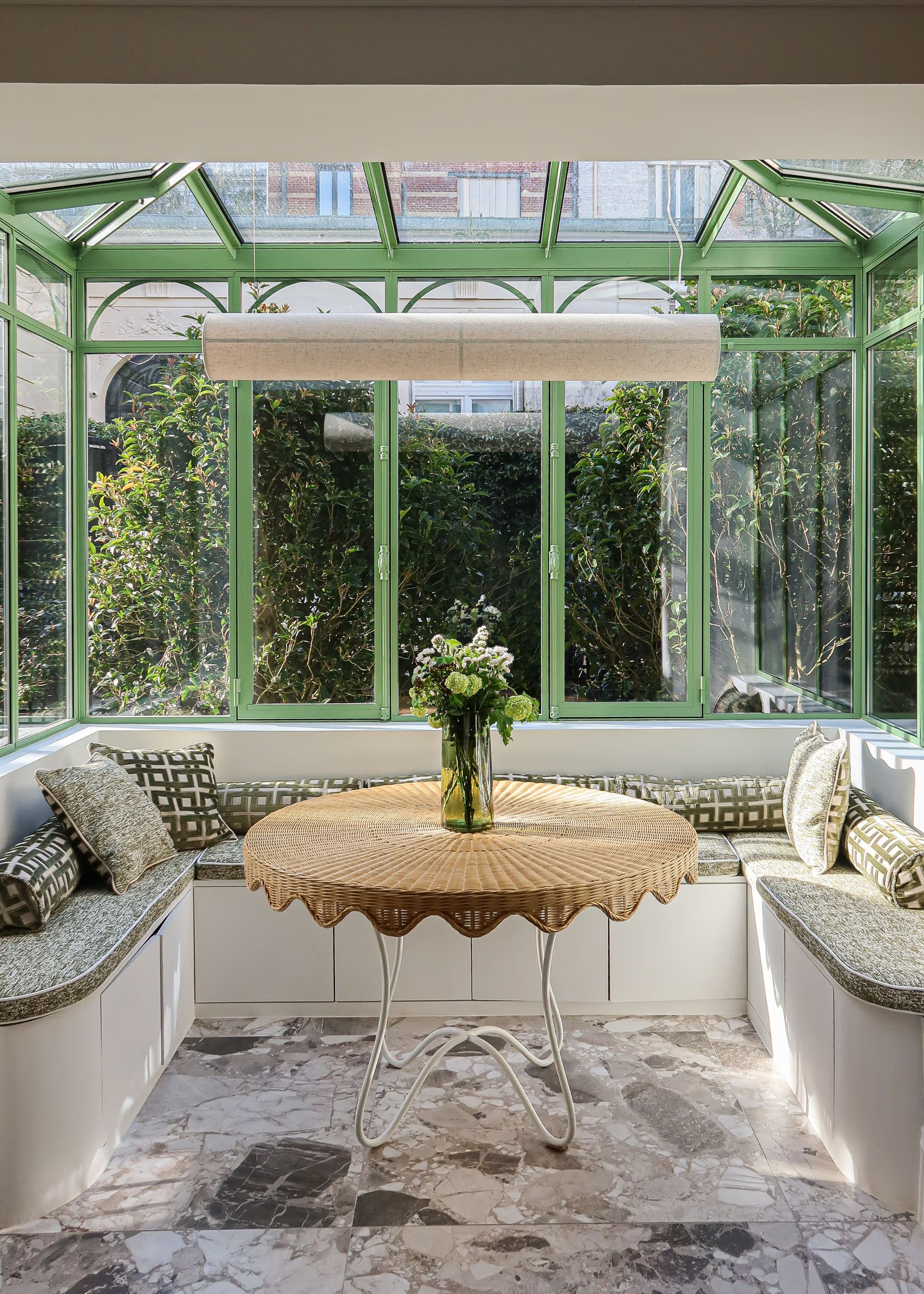
Here are three cities that illustrate this high-end positioning, while presenting varied profiles:

Ranking of the 5 best cities to buy property to renovate
5 municipalities with varied but promising profiles are particularly recommended if you are looking to invest in a property to be renovated in Île-de-France:
- Vincennes, east of Paris, is seduced by its heritage setting, its commercial dynamism and its strong residential demand.
- Saint-Ouen-sur-Seine, in full urban transformation, offers an excellent price/location ratio for a first purchase with work.
- Saint-Germain-en-Laye, to the west, combines nature, prestige and heritage stability, ideal for a long-term purchase.
- Asnières-sur-Seine, just outside Paris, benefits from the Grand Paris project, strengthening its attractiveness and appreciation potential.
- Boulogne-Billancourt, an upscale town in western Paris, remains a safe bet, especially for high-end rental investment.
Vincennes: castle life at the gates of Paris
Located east of Paris, in Val-de-Marne (94), Vincennes marvelously combines the elegance of a heritage setting and the dynamism of a connected city. Backed by Bois de Vincennes, it offers a popular residential environment, both quiet and lively, which has attracted a demanding clientele for several years.
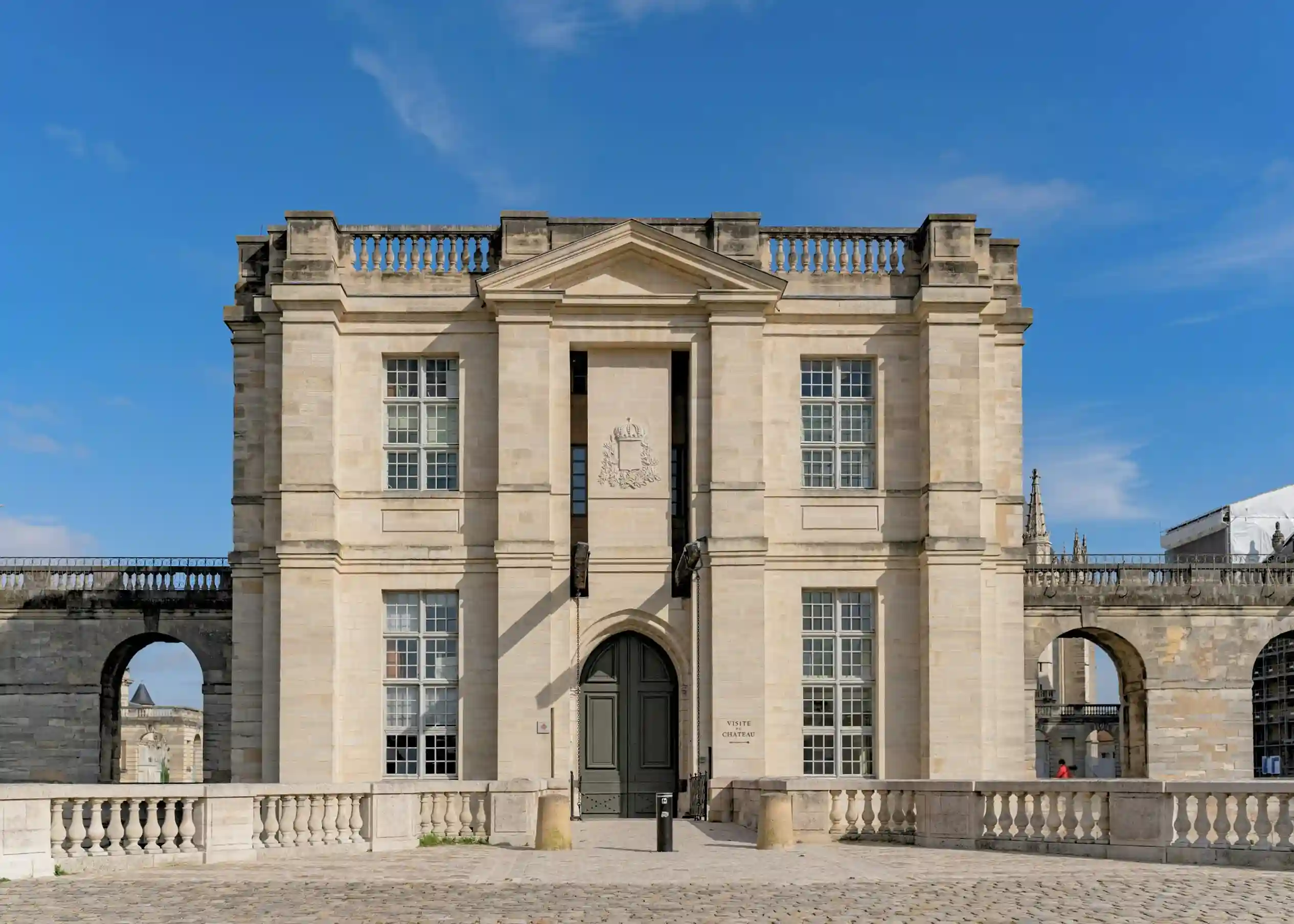
Its accessibility is one of its strengths. Vincennes is served by both RER line A and metro line 1, which allows you to reach the center of Paris in about fifteen minutes.
The city also stands out for the richness of its architectural heritage and for a building stock made up of old and luxury apartments, often between 40 and 70 sqm. The Quartier des Vignerons, located on the edge of the woods, illustrates this high-end positioning well: very sought after, it displays prices that sometimes rival those of certain Parisian districts.
Vincennes is particularly suitable for young families And to second buyers, who find the right balance between quality of life, renowned schools and commercial vitality. The dynamism of the local market — where goods often sell very quickly — testifies to a high real estate tension, suitable for a heritage or rental investment.
Here are the main points to remember:

Saint-Ouen-sur-Seine: the town that is rising
Located north of Paris, in Seine-Saint-Denis (93), Saint-Ouen-sur-Seine is now one of the most dynamic municipalities in the inner suburbs. The city attracts with its still affordable prices and its high potential for development, especially in the case of a purchase of an apartment followed by renovation work.
Saint-Ouen-sur-Seine has excellent connections, provided by metro lines 13 and 14, as well as RER line C. This connectivity is reinforced by the immediate proximity of the northern ring road and major roads.
The identity of Saint-Ouen, formerly industrial, is undergoing profound changes. The vast Docks eco-district, in the heart of the city, embodies this reconversion: new housing, public facilities, redeveloped banks, green spaces. The famous flea market, classified as intangible cultural heritage, testifies to the popular and living soul of the town.
The real estate stock, historically dominated by suburban buildings and condominiums from the 50s to the 70s, is being enriched by new programs, especially in Hugo-Payret-Zola or Vieux-Saint-Ouen districts. There are a majority of apartments of 40 to 70 sqm, well suited to customers wishing to make a first real estate purchase, but also some pavilions, which are very coveted.
With the presence of the headquarters of large companies such as Alstom or Samsung France, and the proximity of university centers, Saint-Ouen also attracts rental investors, driven by a strong demand for students and young workers.
Here are the main points to remember:

Saint-Germain-en-Laye: jewel in the heart of Paris' region
Nestled on the heights of the Seine, west of Paris in the Yvelines (78), Saint-Germain-en-Laye cultivates discreet elegance and a highly sought-after lifestyle. A former royal city, it seduces as much for its exceptional heritage as for its green environment, on the edge of the national forest that bears its name.
Accessible from Paris via the RER A in about thirty minutes, it remains very well connected despite its remote location. The city is also in direct connection with La Défense and the Nanterre business district via Transilien bus and train lines, an asset appreciated by Ile-de-France executives.
Saint-Germain-en-Laye attracts a family customers often looking for a peaceful alternative to Parisian rhythms. There are many houses with gardens, well-maintained old buildings, but also apartments of 70 to 120 sqm in luxury residences. The city center, pedestrian and commercial, reinforces the attractiveness of a town where quality of life and academic excellence go hand in hand: the international high school, in particular, attracts a cosmopolitan population.
The real estate market is part of a patrimonial logic. Properties are rare, prices are high, but the stability of land reassures buyers in the long term. Saint-Germain-en-Laye is not a town with high rental profitability, but it is a safe investment.
Here are the main points to remember:

Asnières-sur-Seine: urban metamorphosis at the gates of Paris
Located in Hauts-de-Seine (92), north-west of the capital, Asnières-sur-Seine is now enjoying a renewed attractiveness driven by the development of Greater Paris and by the gradual requalification of its districts.
The city relies on concrete assets: redesigned banks of the Seine, well-maintained parks, a diversified architectural heritage — between buildings from the beginning of the 20th century, new programs and houses to renovate — and a discreet but real economic vitality, as evidenced by the presence of Louis Vuitton workshops.
In the north, around the future Les Agnettes station (line 15 of the Paris metro), several urban transformation projects are under way. This sector, which has historically been less valued, is beginning a change that could redesign the municipality's real estate balance in the years to come.
Still relatively accessible at the level of Hauts-de-Seine, Asnières-sur-Seine now combines an urban living environment, potential for improvement and good access. A combination that interests first-time buyers as well as savvy investors looking for properties to renovate in an environment in transition.
Here are the main points to remember:

Boulogne-Billancourt: the sure bet in western Paris
The most populated city in Île-de-France after Paris, Boulogne-Billancourt occupies a strategic position in Hauts-de-Seine (92), on the edge of the 16th arrondissement and the Bois de Boulogne. This immediate proximity to the most chic neighborhoods of the capital makes it a sought-after town, especially in the segment of high-end real estate.
With an excellent transport network, Boulogne-Billancourt is connected to Paris by metro lines 9 and 10, as well as numerous bus lines that crisscross western Paris. This fluidity of connection allows residents to take full advantage of the cultural and professional excitement of the capital, while living in a more peaceful environment.
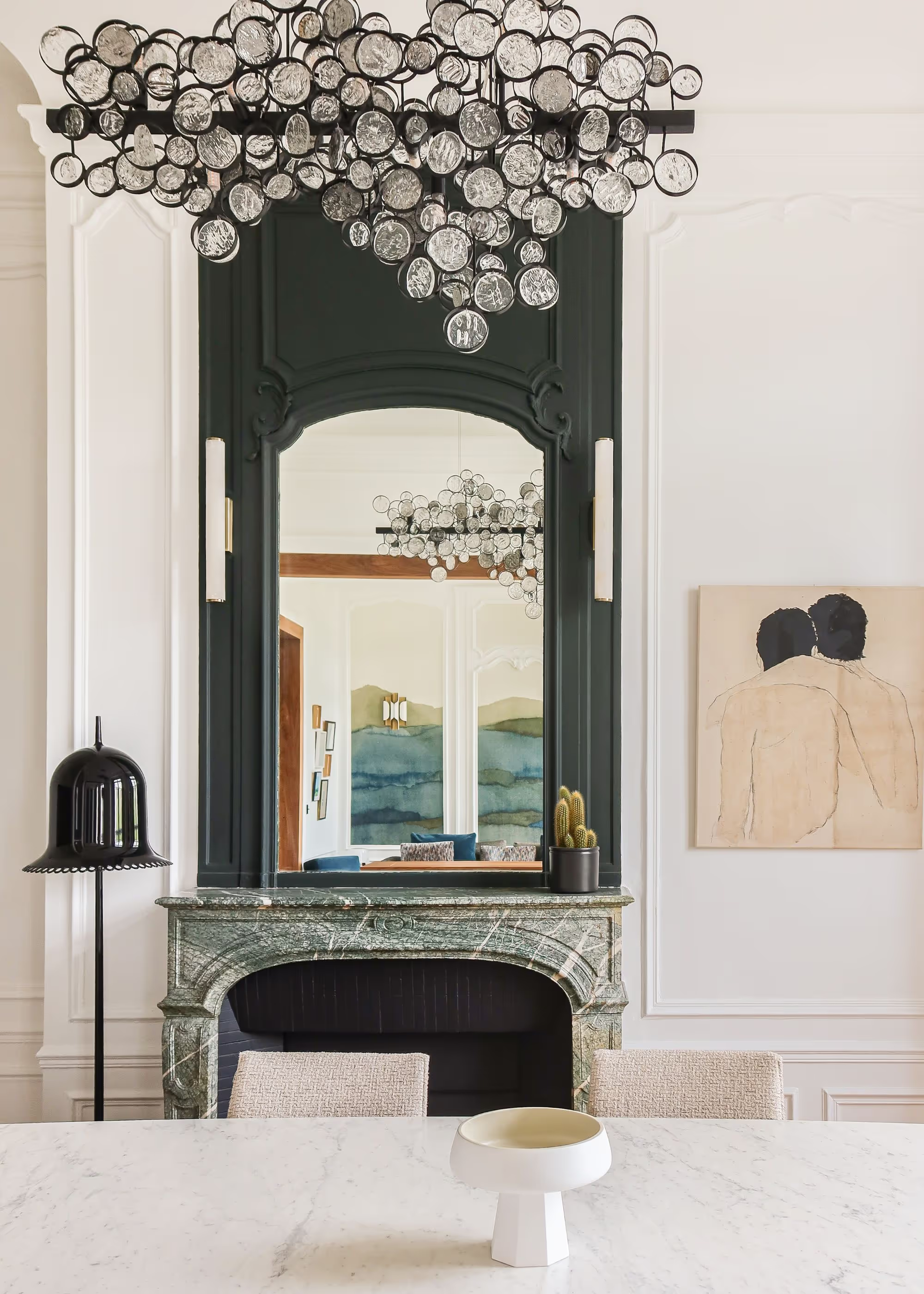
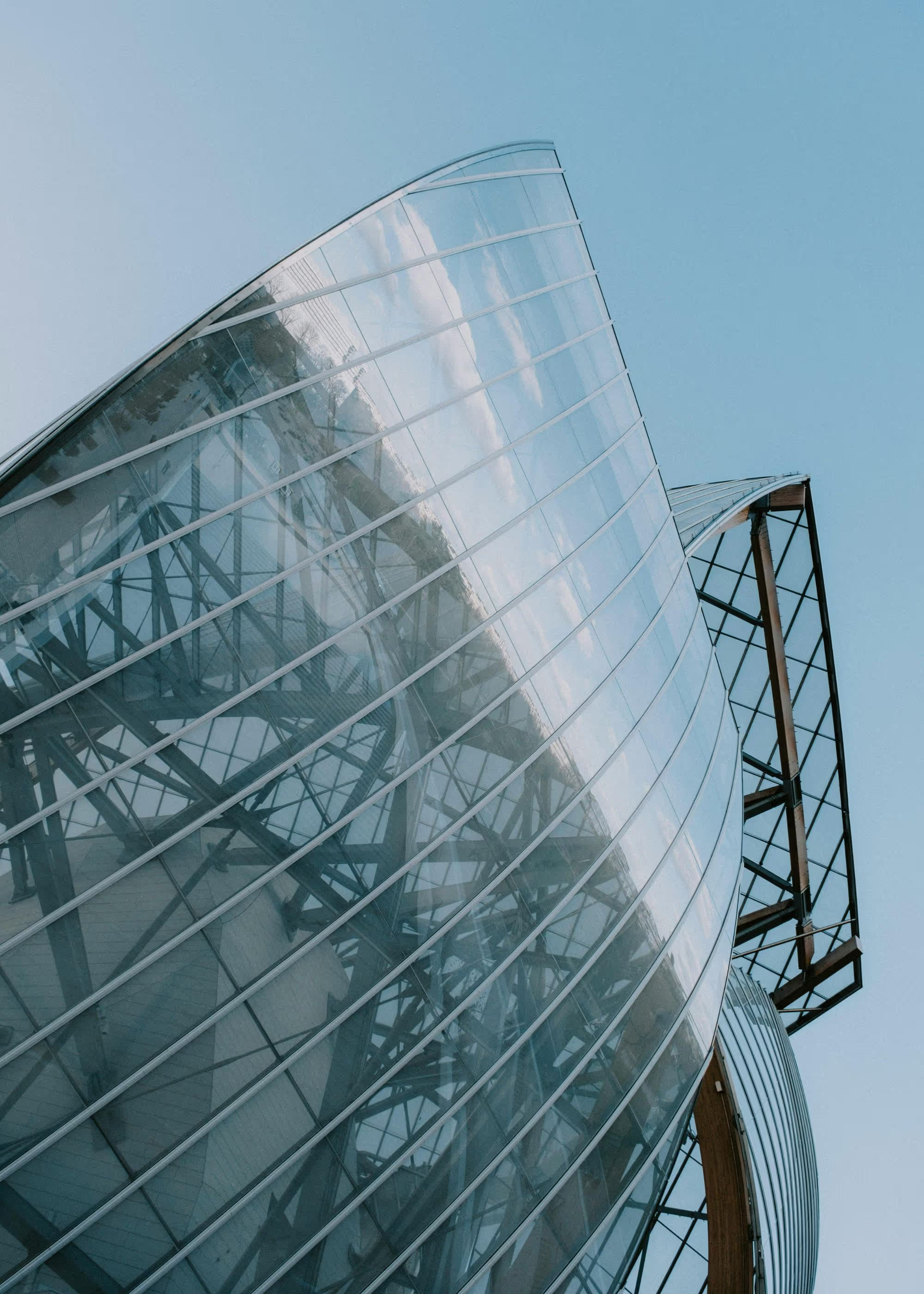
The local real estate stock consists mainly of buildings from the 1930s and post-war buildings, with a predominance of 2 to 3-room apartments, whose surface area is most often between 40 and 80 sqm. A few houses remain in the most residential areas, especially in the Quartier Parchamp-Albert Kahn, south of the woods, very popular for its calm and green atmosphere..
Positioned on a very high price range, Boulogne-Billancourt mainly appeals to families looking for spacious properties, but also to wealth investors, attracted by the stability of the market and the strong rental demand. The municipality thus remains a safe haven, despite a slight correction in prices observed over the last five years.
Here are the main points to remember:

Conclusion
Investing in Île-de-France is more than a default choice in the face of soaring Parisian prices. It is a strategic decision which meets new aspirations: more space, a better quality of life, solid development prospects and rapidly changing economic centers.
Whether they are municipalities in full transformation such as Saint-Ouen or Asnières, safe havens such as Boulogne-Billancourt or Vincennes, or cities with high heritage potential such as Saint-Germain-en-Laye, each investor profile can find a project adapted to its objectives.
The important thing is accurately identify the right perimeter, in line with your budget, your investment horizon and your life plan. We support you in this process, by combining real estate expertise, a sense of detail and detailed knowledge of local dynamics.
Île-de-France is on the move: it's up to you to find the city that suits you.