.svg)


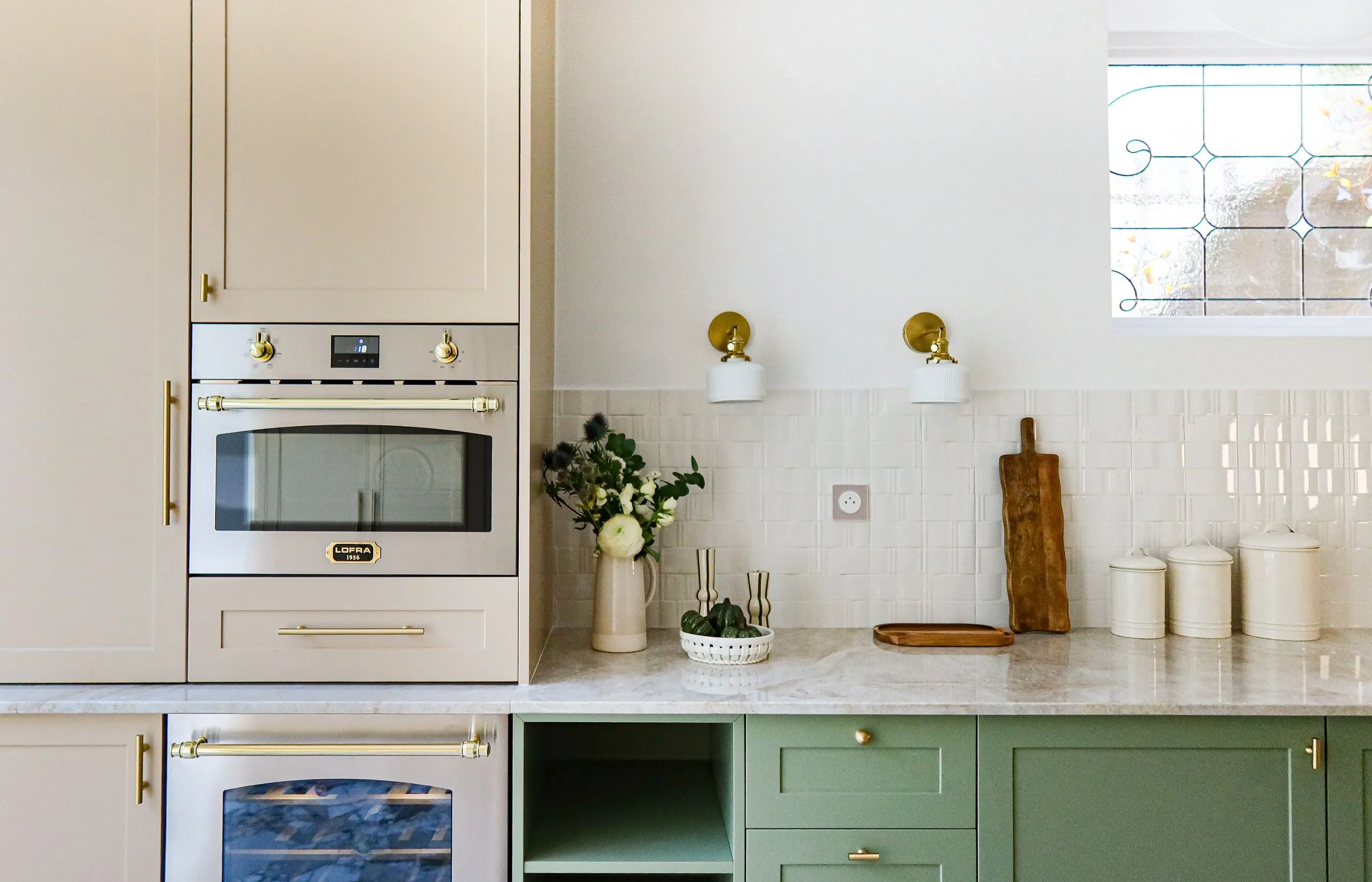
Top 5 things to know before renovating your secondary residence
Renovating your second home is the best way to breathe new life into a family home or give a fresh start to a weekend getaway. But beyond the emotion, renovating a property remains a technical, regulated, and demanding undertaking. Between administrative constraints, budget, choosing contractors, and project management, it is best to approach the project methodically.
In this comprehensive guide, Maison Kyka shares five essential elements to keep in mind before renovating your second home. With these tips, you will avoid common mistakes, invest wisely, and transform your property into a space that is as functional as it is inspiring.
1. Clarify the goals for your second home renovation
Determine the usage and priorities of the renovation project
First and foremost, clearly define thefuture use of your second home. This choice influences the entire project and its execution: the scope of work, the decorative style, the materials, and even the tax implications.
If you are planning for private use, prioritize comfort and personalization: a kitchen designed for long meals, a cozy guest room, a spacious bathroom. On the other hand, if the property is intended for seasonal rental, your priorities should be durability, practicality, and compliance with standards: reliable appliances, easy-to-maintain materials, modular bedding, and enhanced security.
Once the usage is defined, prioritize the interventions:
- structural work (roofing, electricity, insulation);
- comfort improvements (efficient heating, functional layouts);
- aesthetic finishes (paint, furniture, decoration).
Finally, set a realistic timeline. Renovating to rent out by next summer? Planning to stay there for Christmas? This timeline will guide your planning. At Maison Kyka, we help you structure this thinking: considering usage, pace, and priorities before even discussing quotes.
Choose a style and architectural consistency
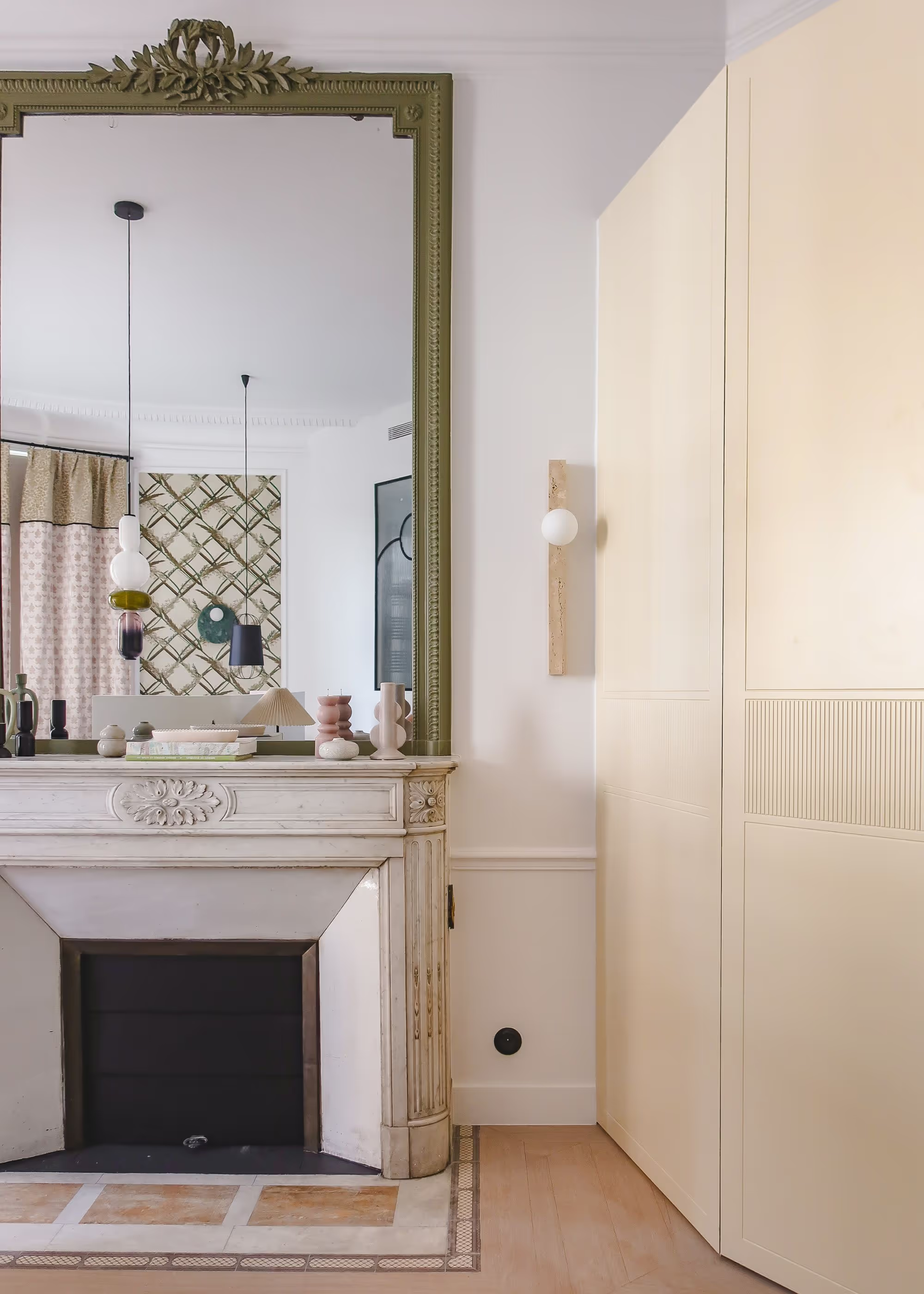
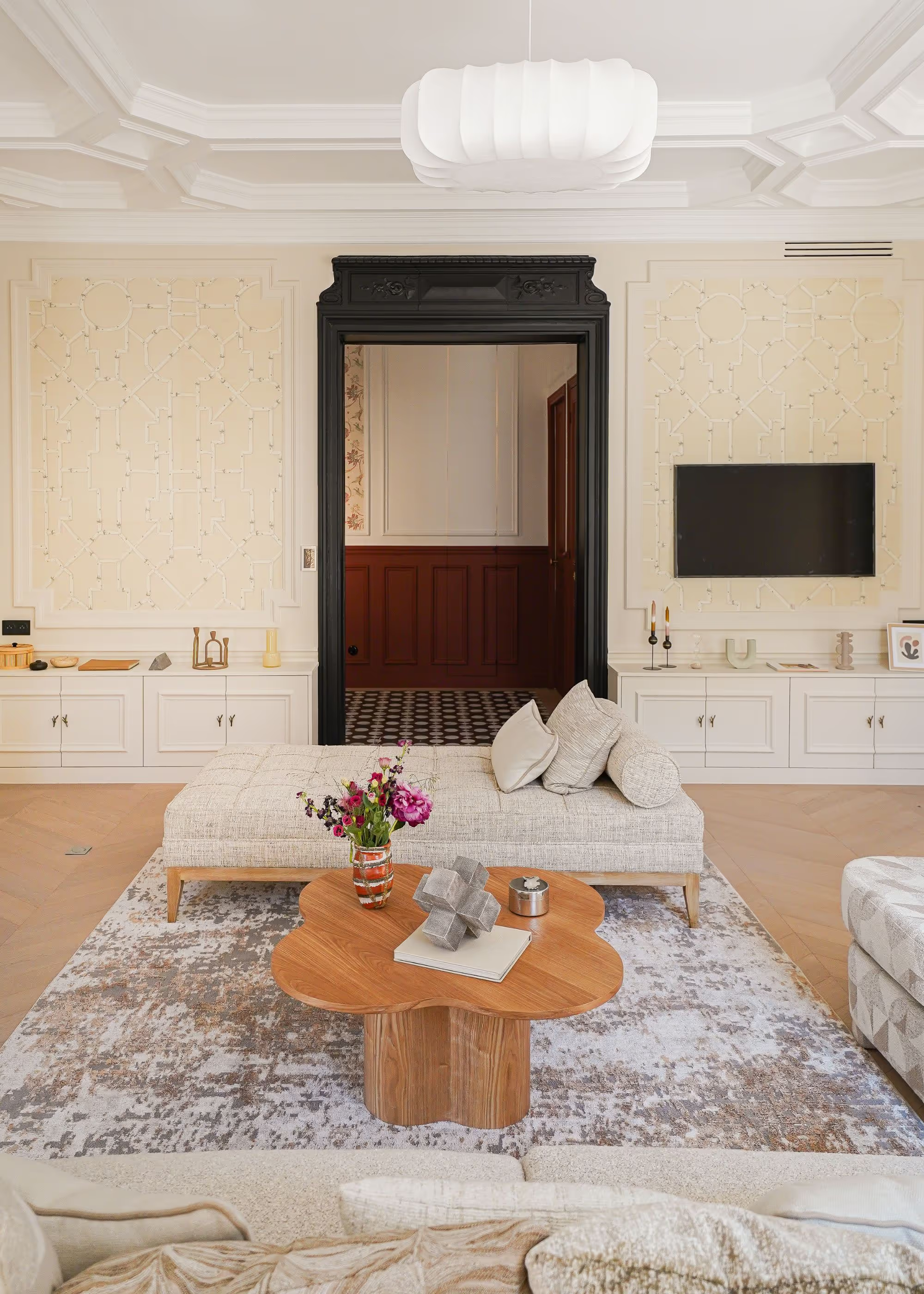
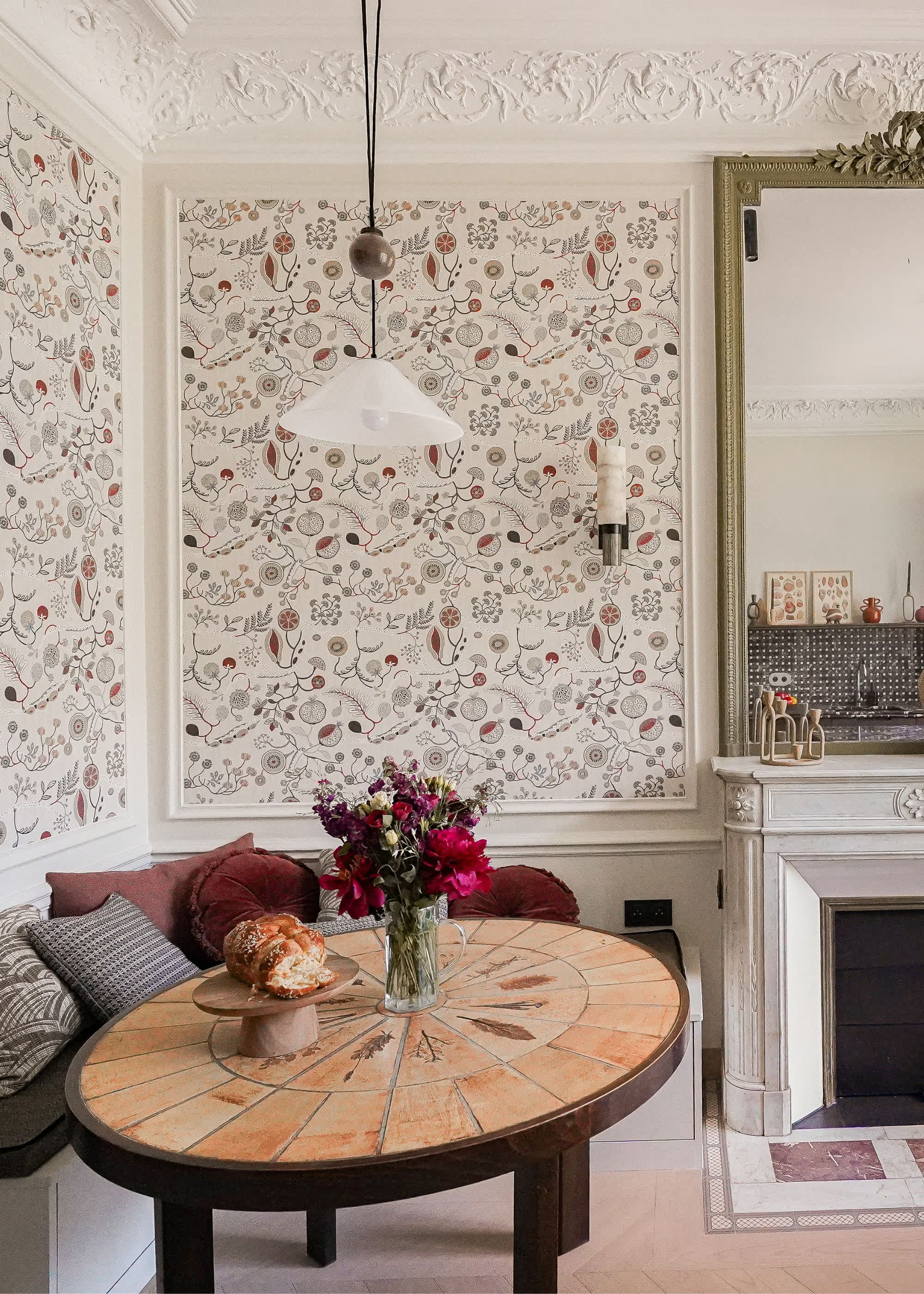
Once your priorities are defined, it is time to think about aesthetic identity. Your second home should reflect your lifestyle while blending into its surroundings. By the sea, opt for salt-resistant materials (exotic wood, stainless steel, mineral renders) and light colors that amplify the light. In the mountains, local species (larch, regional stone) and warm tones are essential. In the countryside, a sober mix of lime, linen, and natural stone highlights authenticity.
This aesthetic work is essential: it guides technical and budgetary choices (insulation, joinery, colors, furniture). In collaboration with an architect, an interior architect, or an interior designer, it allows you to anticipate volumes, lighting, and materials to create overall consistency. Maison Kyka always favors this approach: linking structure and style to ensure lasting harmony.
Plan the project stages and feasibility
Clarifying your goals also means assessing the project's feasibility : your budget, your deadlines, and your availability. Start by drawing up a logical schedule: building survey, obtaining permits, selecting local partners, and starting work. Also, anticipate seasonality: for example, it is impossible to redo a roof in the middle of winter in the Jura or pour a slab in 95°F heat in Antibes.
Finally, ask yourself about your level of involvement: will you be on-site to oversee the work, or will you need to delegate? If you live far from your future second home, it is better to include a single point of contact from the start to coordinate the trades and avoid interruptions. If your project is located in the south of France, between Marseille and Nice, Berkail, the interior architecture and renovation studio offers a turnkey, bespoke service. A dedicated contact person to manage your second home renovation project on your behalf.
2. Assess the property's condition and administrative constraints
Carry out a comprehensive technical assessment
A renovation project begins with a precise assessment. Have a comprehensive assessment of the property's condition: structure, framework, roofing, utilities, moisture, and energy performance. This initial snapshot will help you anticipate urgent needs, set a budget, and prioritize your renovation work.
If the house to be renovated is old, do not hesitate to hire an architect or project manager: they will be able to detect weaknesses invisible to the naked eye, such as a sagging floor or poorly ventilated roof structure.
This step will prevent you from renovating blindly: it is better to understand a building's structural issues before giving it a new lease on life.
Check zoning regulations and required permits
At the same time, check with your local town hall's planning department. Local urban planning rules (PLU) govern possible modifications, such as facade colors, roofing materials, and window sizes.
In protected areas—such as historic villages, areas near monuments, or coastal zones—the approval of a French Architect of Buildings (ABF) may be mandatory.
- Prior declaration: required for facade repairs, installing a window, or small extensions (only for areas under 20 m²).
- Building permit: required for any expansion, vertical extension, or major change to the building's structure.
With its all-in-one expertise, Maison Kyka supports you through these procedures: preparing applications, ensuring architectural compliance, and liaising with planning departments.
3. Plan a realistic budget and finance the work
Estimate costs and request multiple quotes
The minimum cost for a renovation with Maison Kyka is €1,550/m², which covers a high-end, turnkey service. To find the best solution for your project, do not hesitate to compare quotes from different renovation providers. However, be wary of estimates that are too low: they often hide omissions or future surcharges.
Prioritize clear quotes and ask every contractor for their ten-year liability insurance certificate.
Anticipating unexpected issues and hidden costs
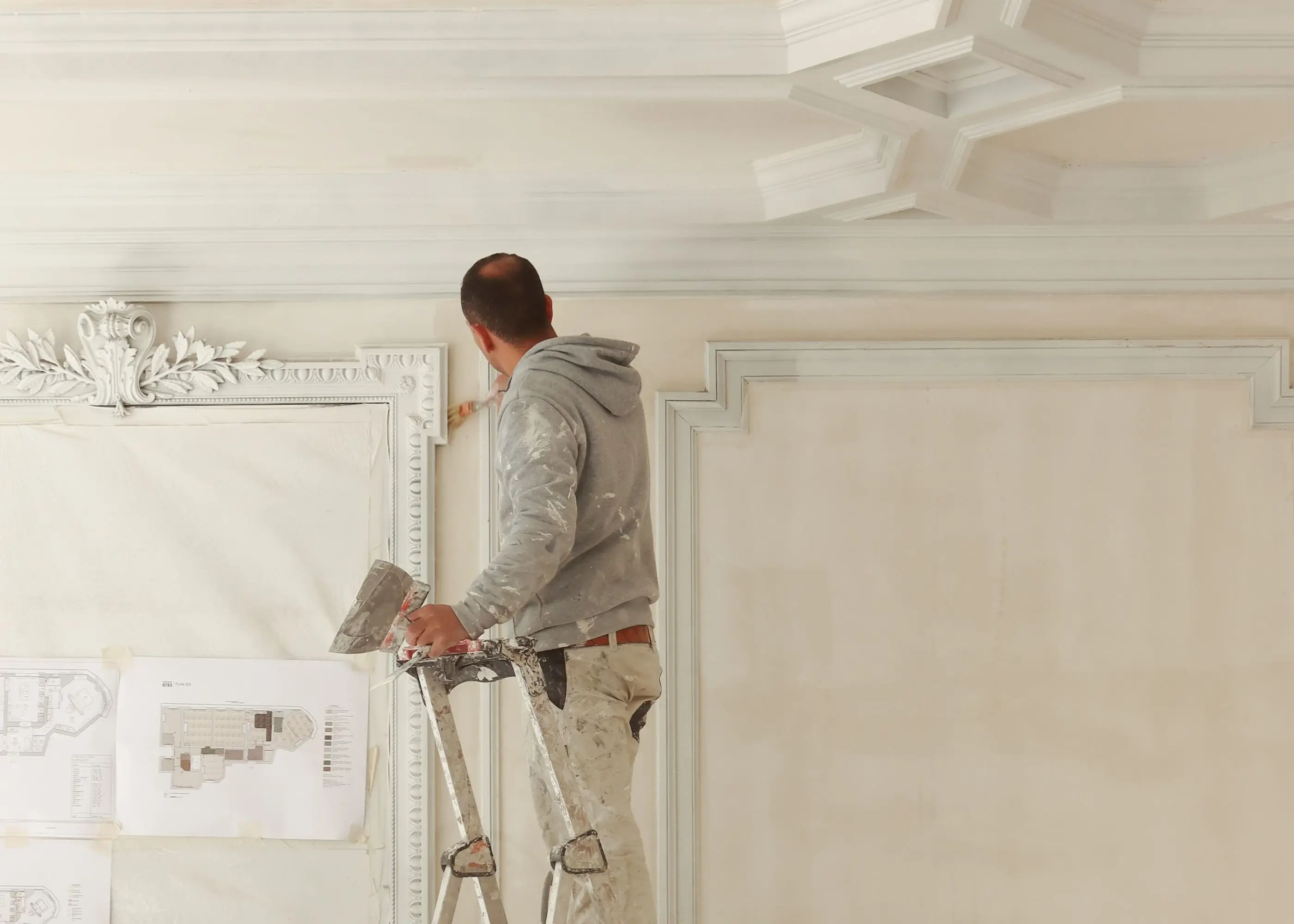
Set aside a 10 to 15% contingency fund. A leak discovered behind a wall, a roof in worse condition than expected, or transport costs if your property is in a remote location: these surprises are common, but they are fully managed in-house when you work with a partner like Maison Kyka.
Certain additional costs such as architect fees, temporary accommodation, development taxes, or dumpster rentals are all details that can impact your final budget if overlooked.
Exploring available financing and support
Secondary residences are not eligible for MaPrimeRénov’, but other grants and tax incentives can help lighten the financial load of your renovation:
- CEE energy efficiency grants;
- a reduced VAT rate of 10% (or even 5.5%) for properties over 2 years old;
- local grants in certain rural or heritage-protected areas;
- temporary property tax exemptions following energy efficiency improvements.
4. Surround yourself with qualified professionals for the work
The challenges of coordination
A renovation involves multiple trades : masonry, electrical, plumbing, carpentry, painting… Each depends on the proper scheduling of the previous one. A sequencing error or a lack of communication can lead to a domino effect of delays.
Coordinating a construction site is a profession in its own right. It requires the ability to read a Gantt chart, monitor deliveries, approve interim invoices, and manage the unexpected… This work demands a constant presence and technical expertise, especially in the case of a period property.
Why delegating this task changes everything
If you live far from your second home, for example if you are investing in France from abroad, coordination quickly becomes a challenge. Delays, poor communication, contractors who are hard to reach… These are all avoidable stressors if you delegate your project to an all-in-one real estate and renovation specialist like Maison Kyka : a single project manager oversees the site, makes technical decisions, and keeps you updated on progress.
5. Planning the renovation and anticipating how the home will be used
Scheduling work at the right time
The schedule depends on the weather and your availability. Major exterior work should be planned between April and September; interior finishing can continue into the autumn.
Avoid quiet periods like August or the end of the year, when contractors are less available. Also, consider the logistics: site access, material storage, and on-site accommodation.
Choosing durable features suitable for a home that is rarely occupied
A second home must withstand changing seasons and long periods of vacancy. Opt for moisture-resistant materials (tiling, washable paint), anti-freeze equipment, and, if possible, simple home automation to manage heating and security remotely.
Thinking about long-term durability also means creating flexible spaces: a guest room that can double as an office, Murphy beds, and low-maintenance outdoor areas.
Ensuring the security and maintenance of your second home in the long term
The intermittent use of your second home requires enhanced protectionCheck your construction insurance, install a smart alarm system, and schedule regular maintenance: a neighbor, a local caretaker, or a concierge service can keep an eye on your home while you are away.
Furthermore, a high-quality, well-maintained renovated secondary residence retains its value over time, ensuring your peace of mind.

Conclusion
Renovating a secondary residence is a major life project, just like a primary home. By clarifying your goals, assessing the property's condition, setting a realistic budget, surrounding yourself with the right professionals, and planning methodically, you will transform this property into a space that is profitable, comfortable, and sustainable.
At Maison Kyka, we support owners at every stage: from project definition to turnkey delivery. Our mission: to ensure the renovation of your secondary residence is a seamless, inspiring, and flawless experience.

.svg)