.svg)


How do you design a city terrace or garden?
A true extension of your home in the heart of the city, your terrace or garden becomes a living space in its own right. Whether you are looking to completely rethink these extra square meters or simply enhance what is already there, there are many factors to consider in order todesign your outdoor space under the best conditions, and above all, to turn it into a sanctuary that reflects your personal style.
Planning and structuring your outdoor space before you begin
Designing in compliance with regulations and the environment
Unlike a garden, which is rooted in the ground, an urban terrace built on a structure invites you to reinvent nature at a height. In either case, the design process is regulated and will require authorization, unless the work is minor. An example of minor work is the construction of a small ground-level terrace with a surface area not exceeding 5 m².
A prior declaration, or even a building permit, is required as soon as the outdoor project reaches a certain scale and necessitates consulting the local urban plan (PLU) :
- If you are planning to builda raised or covered terrace of less than 40 m², a prior declaration will suffice. If your project exceeds this surface area, a building permit is mandatory.
- In protected areas, these rules are stricter, and approval from the Architectes des Bâtiments de France (ABF) is often mandatory.
The co-ownership association must also be consulted if the development involves a structural modification or changes the building's exterior appearance. For example, if you plan to carry out work affecting walls, flooring, or waterproofing, the authorization must even be voted on at the general meeting.
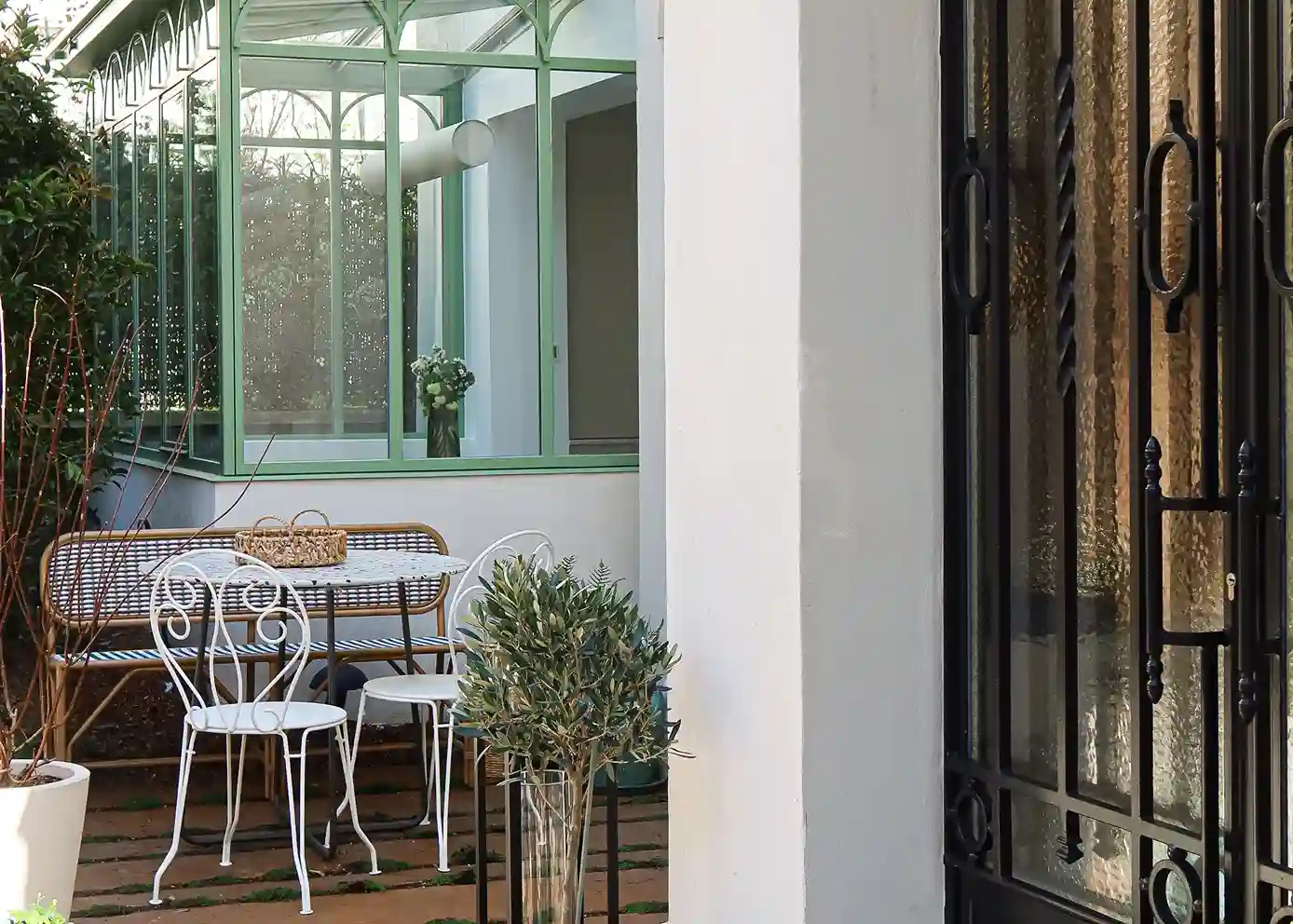
Once legal considerations have been addressed, it is time to study the environment where you wish to set up your terrace or urban garden.
Soil analysis is essential when developing an urban garden, especially if you plan to plant or modify the structure, such as by digging a pond. Poor drainage, the presence of heavy metals, and the existence of pipes and cables just a few meters below the surface are all factors to identify beforehand. For this, there is nothing better than integrating drainage solutions such as gravel or gutters, and a precise map of the area to be developed.
Although it can be customized to your liking, a city garden remains a living and fragile environment. Old trees may be protected, or certain species may be prohibited to preserve local biodiversity. Once again, various contacts such as the town hall's urban planning department, the Regional Directorate for Environment, Planning and Housing (DREAL), or simply a landscape architect, will be able to provide you with valuable information on this subject.
In addition to exposure, wind exposure, or privacy issues that will determine how you use your outdoor space, constraints such as waterproofing or load limits are priorities in your planning. To avoid leaks and water stagnation, a few rules must be followed. If you decide to renovate your outdoor space, it is best to redo the waterproofing with a special coating such as bitumen or resin. While a garden rarely has a load limit, a terrace or balcony, due to their raised or suspended nature, requires compliance with permissible loads. These are generally 350 kg/m², however, it is best to consult a structural engineering firm for a complete and reliable assessment of your project to minimize risks. Promoting natural water drainage by raising planters and ensuring the outdoor space has a slight slope toward the drains is highly recommended when designing an outdoor area.
Reinventing space according to the environment and structuring outdoor areas
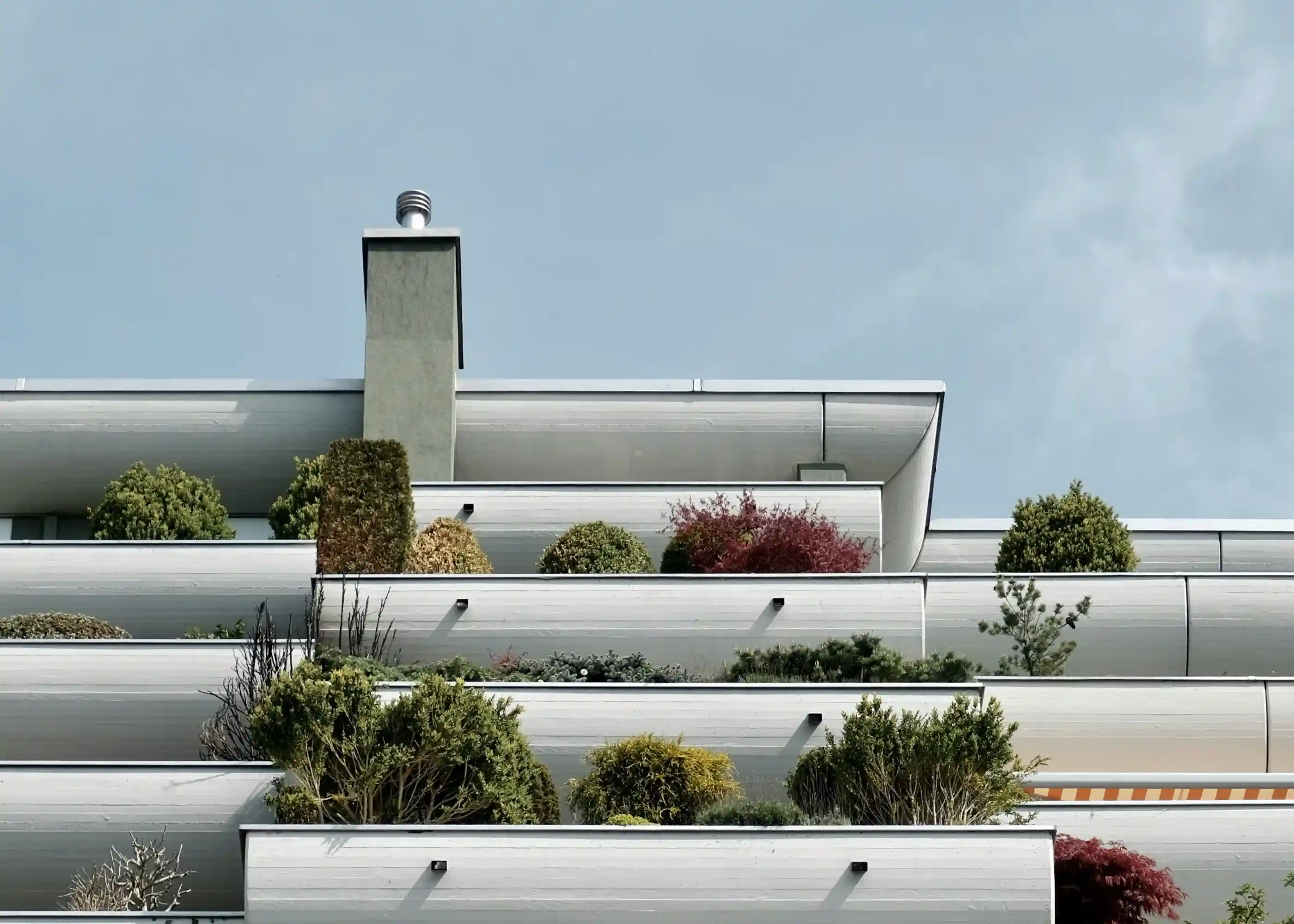
Designing an outdoor space may require the expertise of a landscaper, who will determine the soil type and provide advice on optimizing a sometimes limited area, where every square meter is precious. Indeed, the design will differ depending on whether it is a ground-level garden, a wooden rooftop terrace, or a continuous balcony, and even small flaws can easily be turned into assets. An enclosed, shaded garden can become an oasis of coolness, while a narrow terrace can be transformed into a highly optimized, modular reading nook.
The creation of this additional living space must be in harmony with your tastes and your lifestyle. Those who love long meals with friends will certainly prioritize a large, convivial space, while gardening enthusiasts will want to multiply the number of containers and planters.
At Maison Kyka, we regularly collaborate with landscape gardeners Sauvaje, specialists in outdoor space design. In addition to their expertise in designing and creating landscaped gardens—ranging from earthworks and horticulture to lighting—these ecological gardeners champion an ethical and sustainable vision of their craft. You can move forward with complete peace of mind.
Reinventing an outdoor space also means bringing it structure and volumeby subtly playing with the available materials, different levels, and vegetation. For instance, a lawn can be structured with natural stone pavers, while the high wall of an inner courtyard can host climbing plants and lighting. It is all a matter of balance and imagination, ensuring this newly created space becomes a source of well-being in the heart of the city.
“Maison Kyka supported me throughout my project, and I am very satisfied with the result! The entire team listened to my needs and perfectly understood my expectations.” Olivier Dhalluin
Creating a comfortable and sustainable urban green oasis
Selecting quality materials that will last
Designing a warm terrace or garden requires attention to the smallest details, starting with the choice of materials. Forget cold, overly mineral exteriors: we now favor a lively, authentic feel using raw materials like wood, stone, or concrete. They add depth and texture, blending perfectly with lush vegetation or artificial turf. When choosing materials, carefully anticipate the weather conditions they will be exposed to and the aesthetic consistency with the rest of the building. The neutral gray of zinc, in addition to echoing Parisian rooftops, will perfectly highlight the green of plants on an urban balcony.
Adding greenery and ensuring proper plant planning
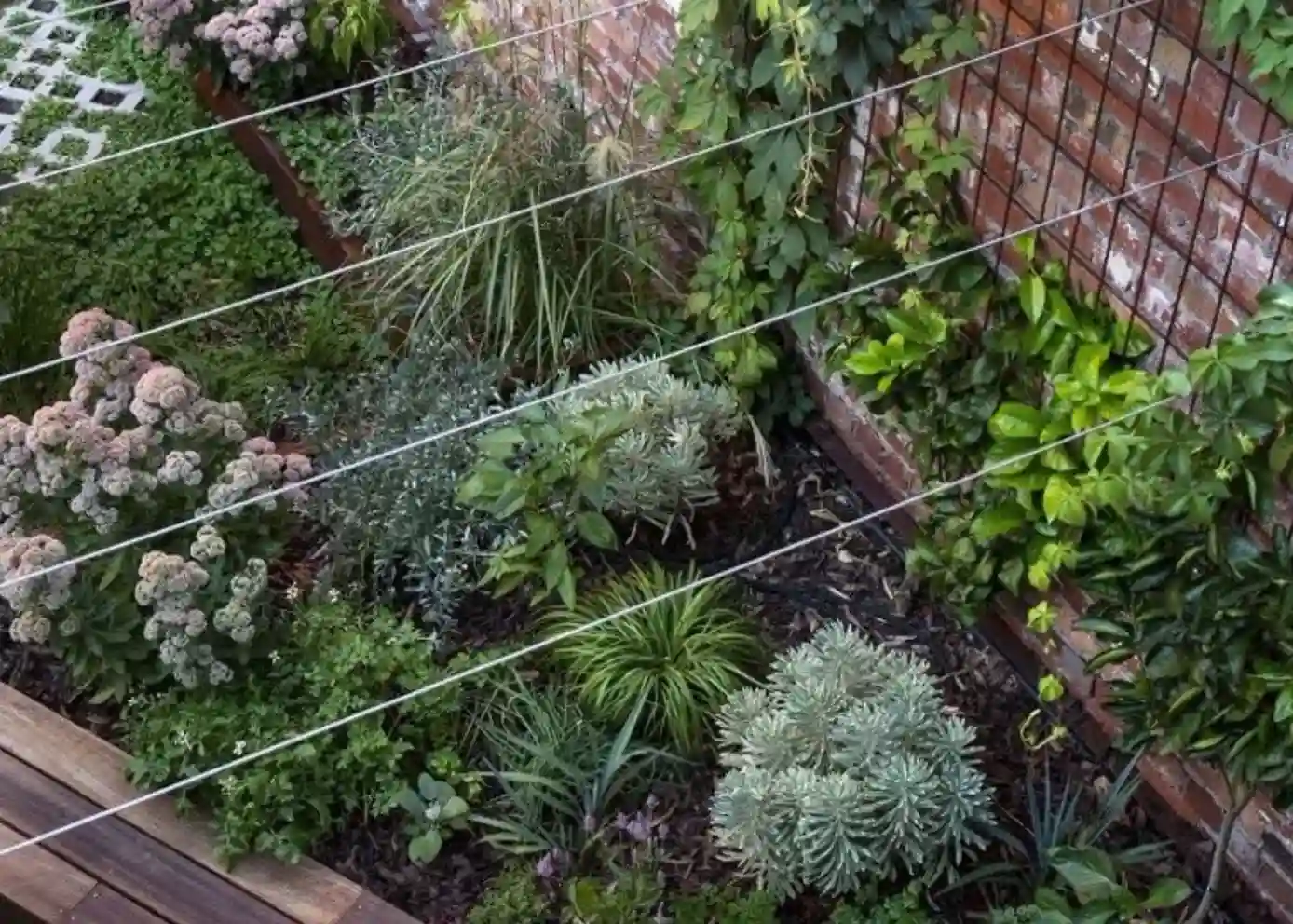
The main advantage of an outdoor space is the ability to add greenery and thus create a lush sanctuary. It’s the perfect way to disconnect from the urban frenzy and reconnect with nature, summer and winter alike. To achieve this, use a varied plant palette, alternating between spring and summer blooms, autumn foliage, and winter berries. Be sure to choose plants that tolerate urban pollution, such as skimmia or euonymus. Climbing plants are also essential if you want to create a green wall or a hanging planter. In this case, consider Virginia creeper and jasmine, which will add character to any terrace. Finally, the harmonious addition of potted plants is the ideal solution for structuring small areas and adding volume to your outdoor space.
Protecting yourself from noise pollution and prying eyes
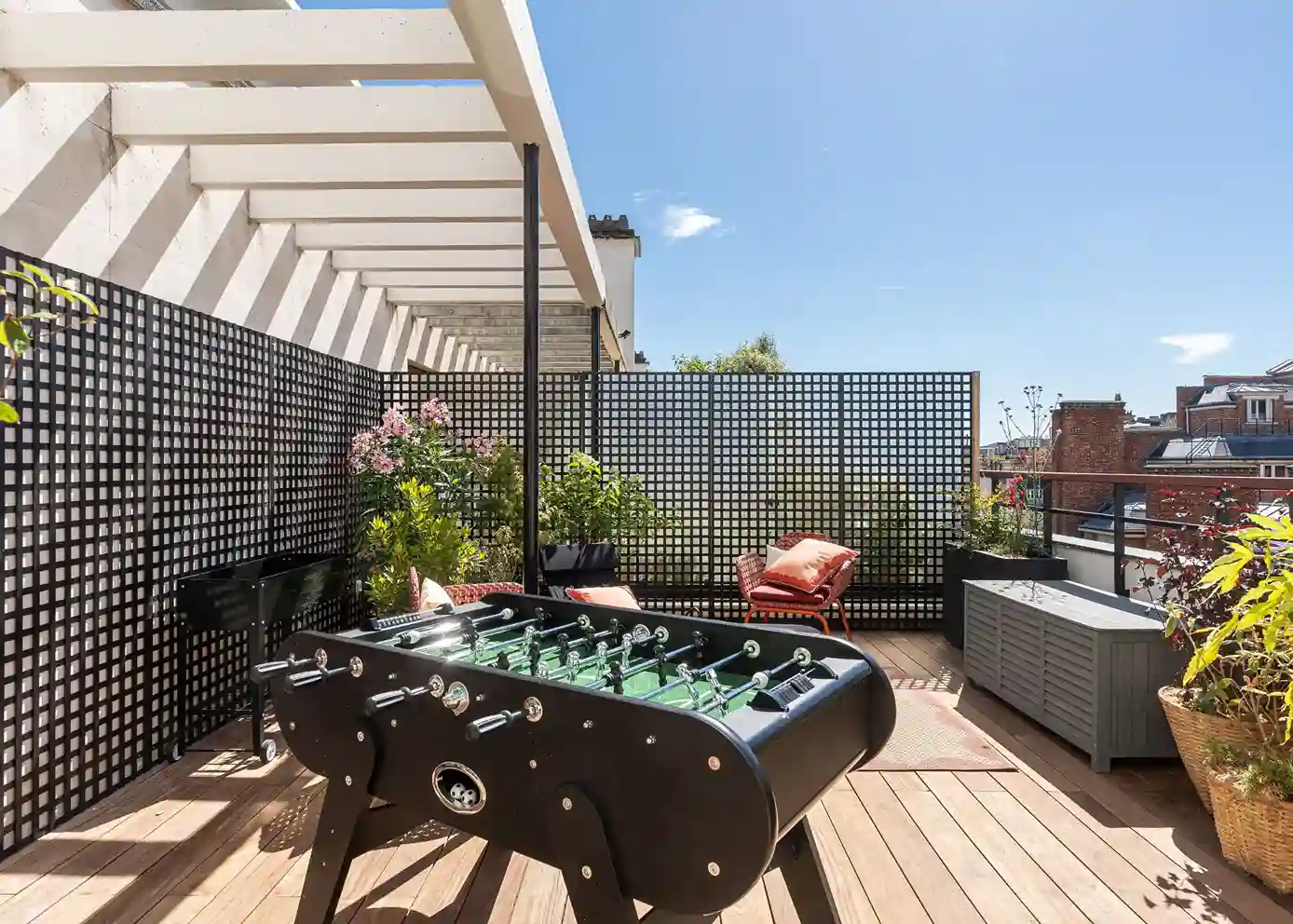
There are a thousand and one ways to mitigate noise pollution and lack of privacy, which remain the main drawbacks of city living. Wooden privacy screens, such as latticework or reed fencing, will isolate your space while creating a warm atmosphere, while a green pergola will not only block out street noise but also provide shade from the sun.
Outdoor decor: extending the indoors onto the terrace
Once the construction and layout are complete, it’s time for decoration. This is what will make your outdoor area an extension of your interior, transforming your terrace or garden into a new living space. Now is the time to let your imagination run wild by drawing inspiration from a variety of styles.
Here are a few ideas shared by the studio Maison Kyka :
- For a zen and minimalist vibe, opt for light-colored fabrics and bamboo furniture, which is making a major comeback in architects' inspiration boards.
- If you want to add an exotic touch to your outdoor space, winter-garden style, look to the sublime Saint-James hotel decorated by Laura Gonzalez.
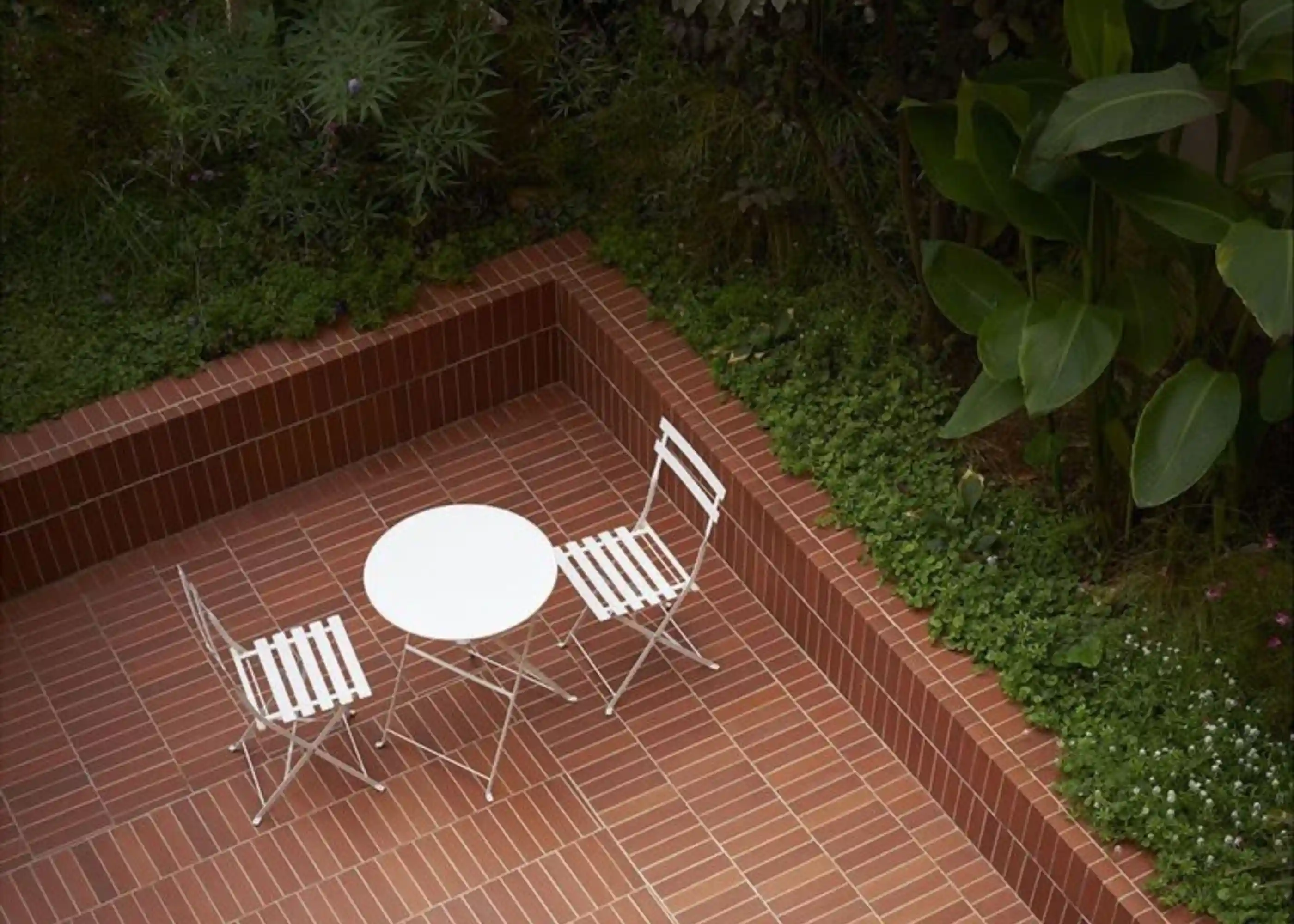
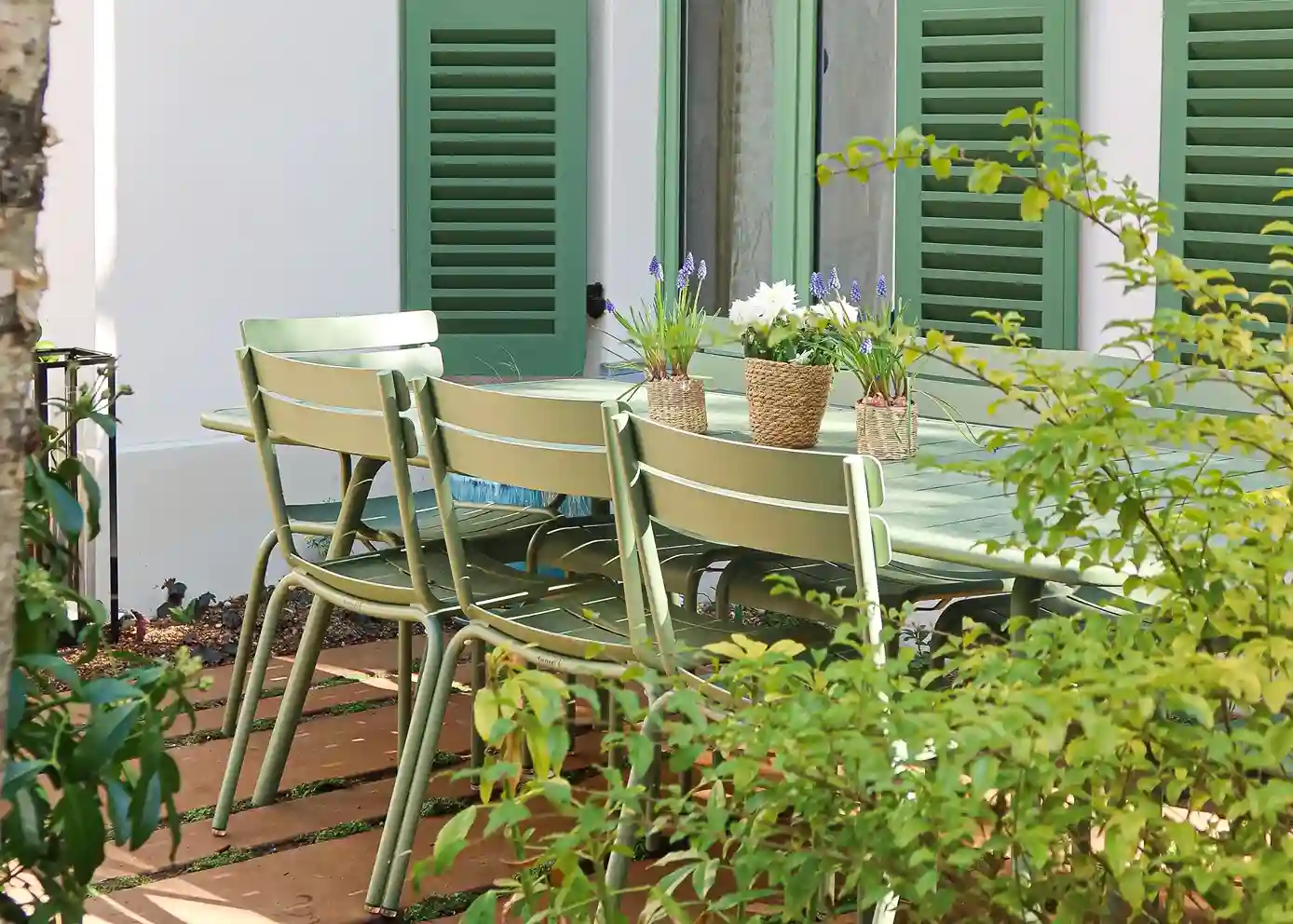
- Timeless and, above all, durable, Fermob’s Luxembourg chairs add the perfect pop of color and pair beautifully with a folding bistro table, a major asset for small urban spaces.
To enjoy your city garden day and night, adding appropriate lighting is essential. String lights enhance the intimate and cozy feel of your outdoor space, but for a more designer and contemporary touch, consider wall sconces with a hanging garden aesthetic. Once illuminated, your terrace and city garden are ready to host your future gatherings, and why not elevate tableware specially designed for outdoor use.
Whatever vibe you choose, remember to adapt your furniture and decor for the outdoors: rugs and cushions must be UV and water-resistant, or they won't stand the test of time.
Vary the styles of your plant pots and containers
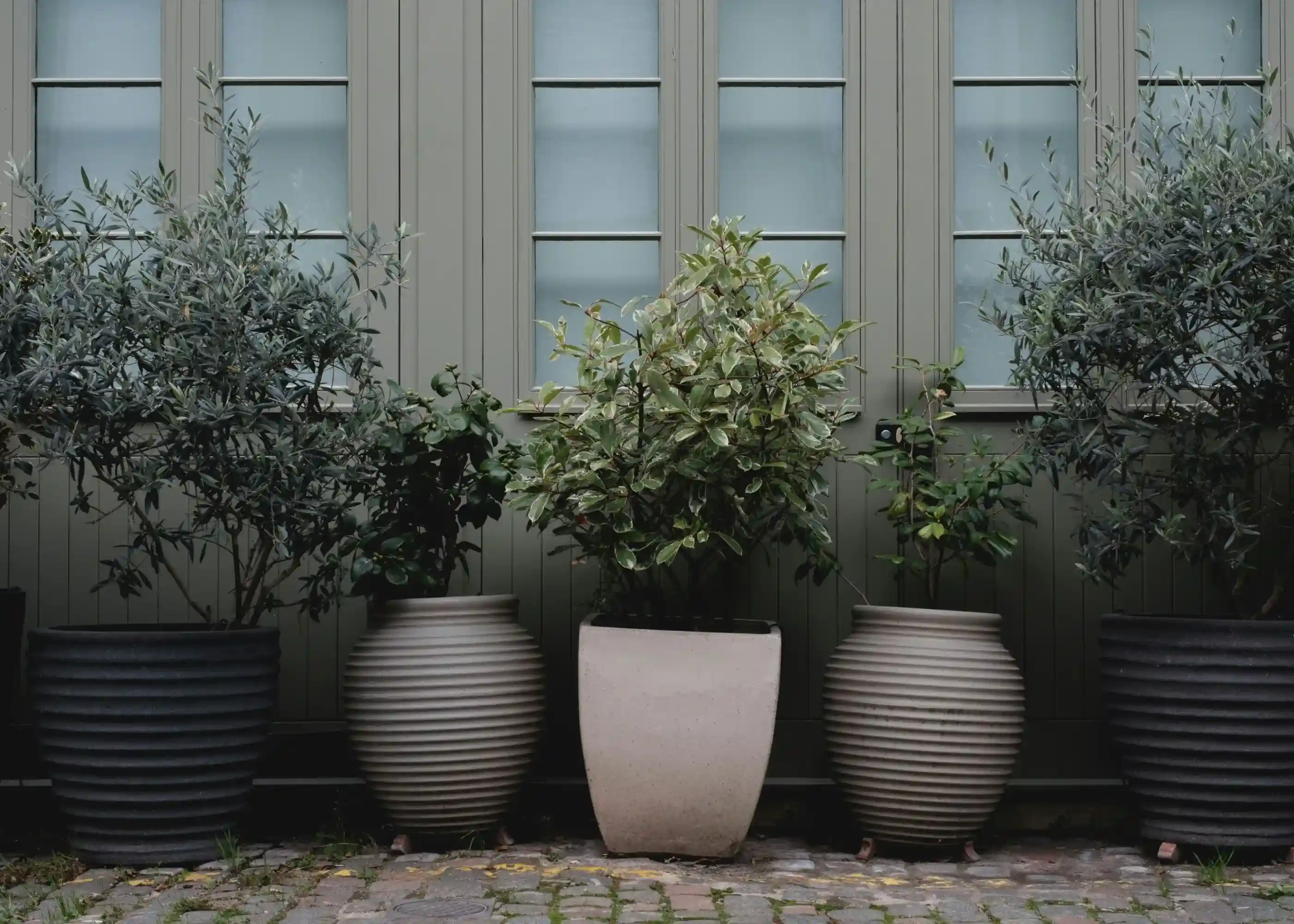
Since your choice of greenery is an integral part of your decor, we recommend carefully selecting the pots and containers that will house them. To add contrast to your city garden, don't hesitate to vary the sizes of your containers and play with verticality by mixing hanging planters with floor pots. Alternating between contemporary dark metal planters and colorful glazed terracotta Anduze vases will provide the finishing touch for an elegant, lively outdoor space where every plant becomes a decorative element.
Designing a city terrace or garden means shaping a living space in its own right. Between technical requirements, regulatory frameworks, and aesthetic choices, every detail counts when creating a durable, harmonious outdoor space that reflects your personal style.
Do you have a renovation project that includes an outdoor space? Call on the expertise of Maison Kyka to bring it to life and create an exceptional property.

.svg)