.svg)

The return of brutalism in interior design
The origins of brutalism
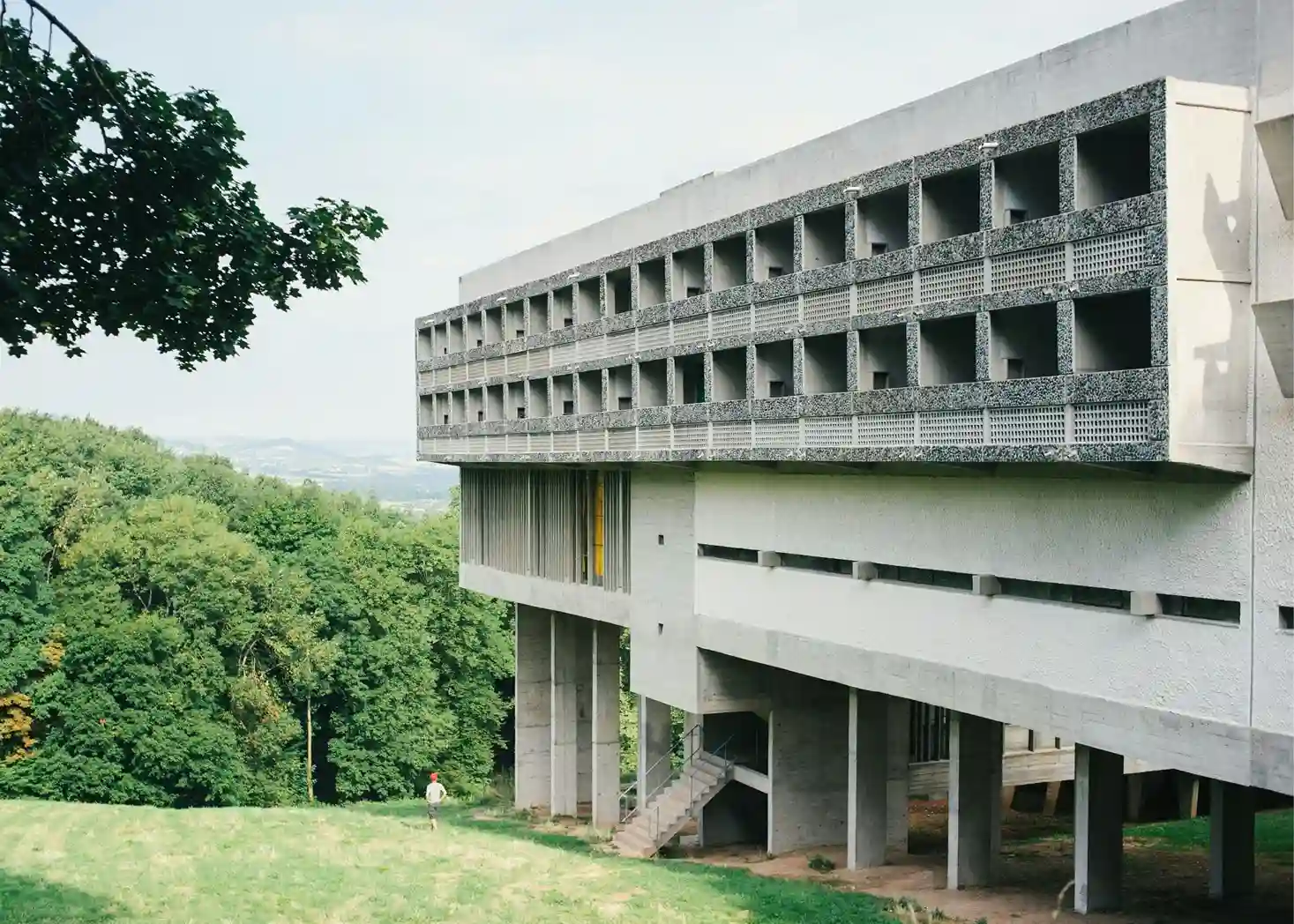
With its apparent simplicity, raw materials, and imposing forms, the brutalist movement emerged in the 1950s and enjoyed its heyday through the 1970s. Popularized by architects such as Le Corbusier, Louis Kahn, and Paul Rudolph, this post-war style drew on aesthetic trends like modernism and addressed the need for more affordable and social architecture.
Decor in its raw state
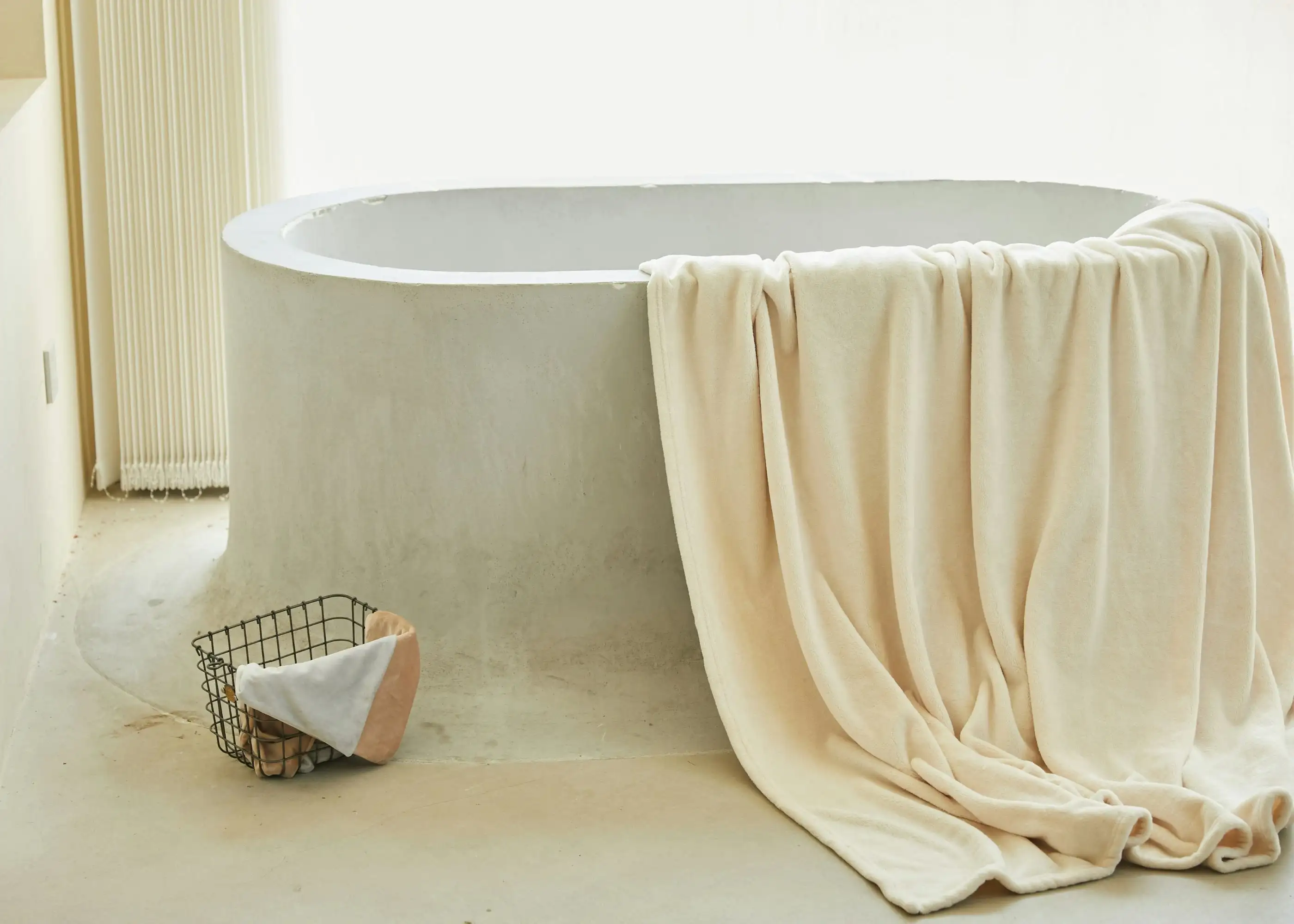
Brutalism is distinguished by the predominance of raw concrete as well as other materials like metal and glass. The forms used are simple and clean. It is a return to materials in their purest state, which allows for the creation of minimalist and functional spaces.

An evolving style
"One of the characteristics of contemporary brutalism is the use of more refined raw materials."
Today, brutalism is making a strong comeback after evolving significantly in recent years. Initially associated with cold and impersonal spaces, this style is now being adopted with a more nuanced approach, incorporating elements of warmth and comfort.
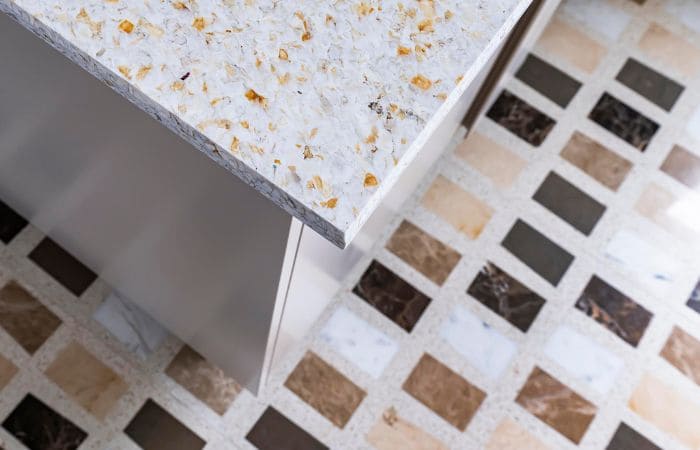
One of the characteristics of contemporary brutalism is the use of more refined raw materials. Concrete, for example, can be polished or tinted to give it a more elegant appearance. Metal can also be used in a more decorative way, for instance to create patterns or sculptures. Other, more precious materials like marble are also being introduced. However, their use respects the original spirit of brutalism in its simplicity and clean aesthetic.
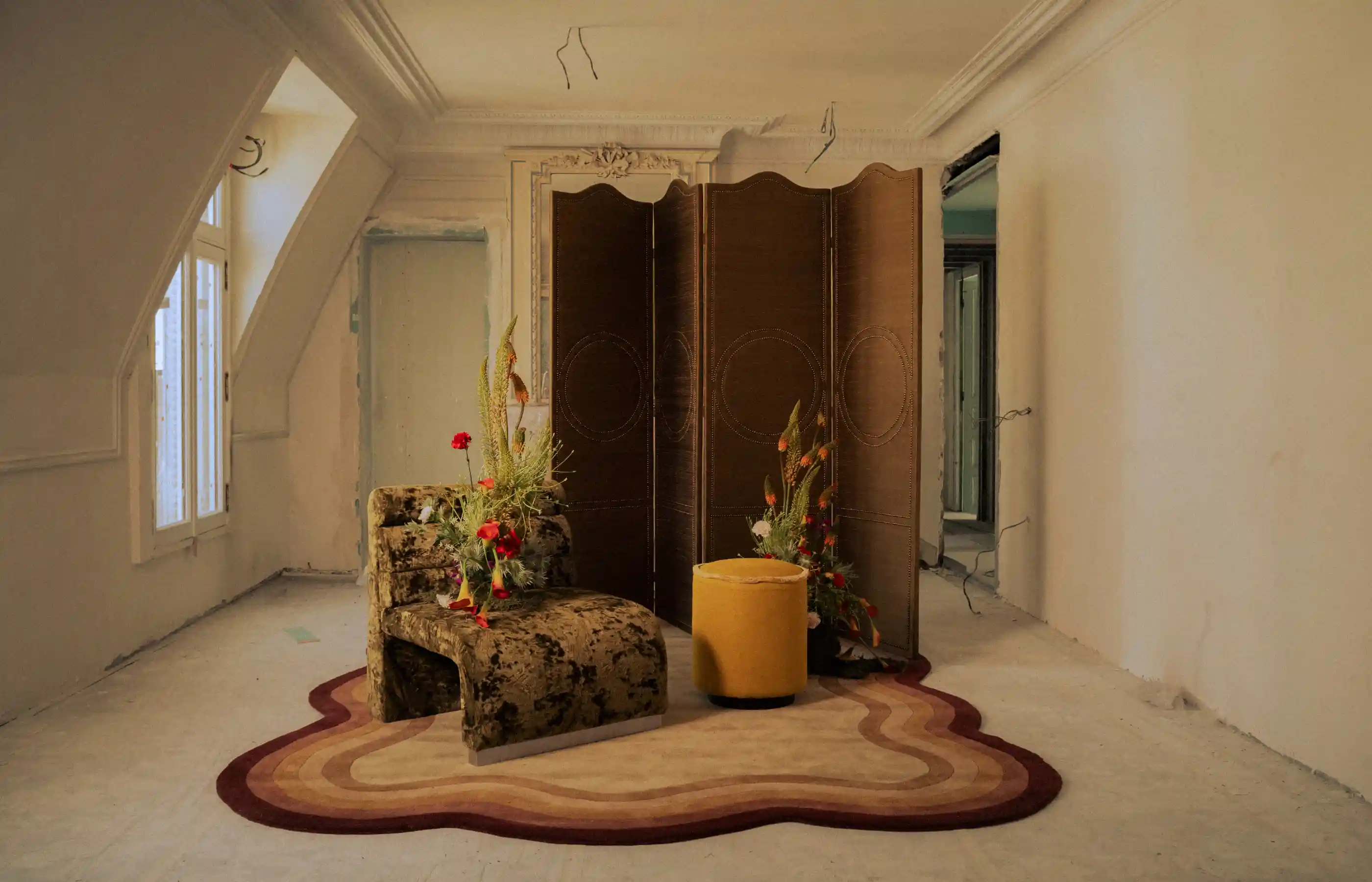
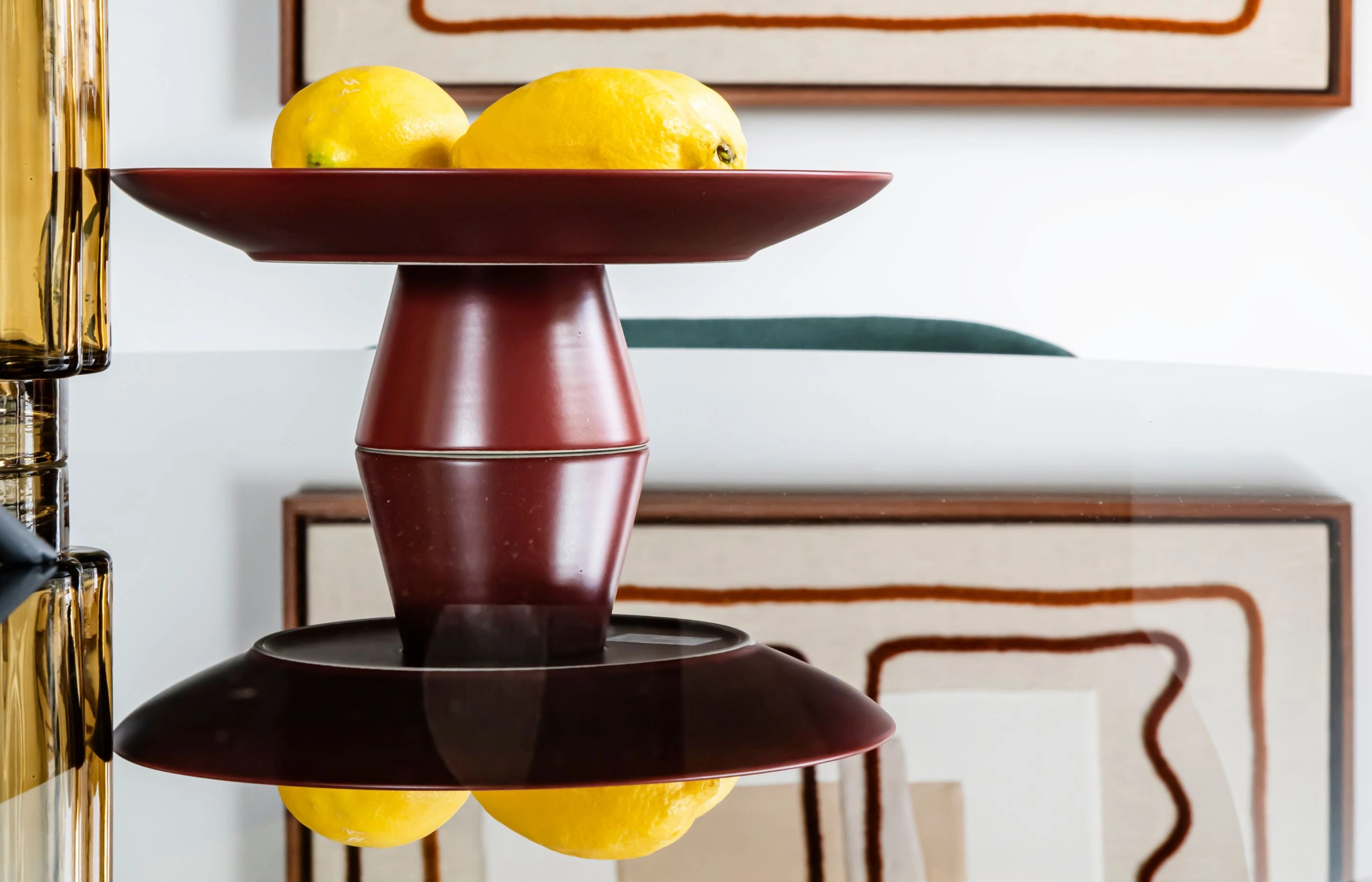
Elements of comfort and warm colors are also being introduced. Furniture made of wood, leather, or textiles creates a more welcoming atmosphere. Plants and flowers are also used to add a touch of color and life.
Finally, brutalism has become more accessible and easier to integrate into our homes. Our architecture studio shares a few tips for creating unique and bold spaces.
How to incorporate brutalism into your home
"Brutalism will allow you to create elegant and functional spaces."
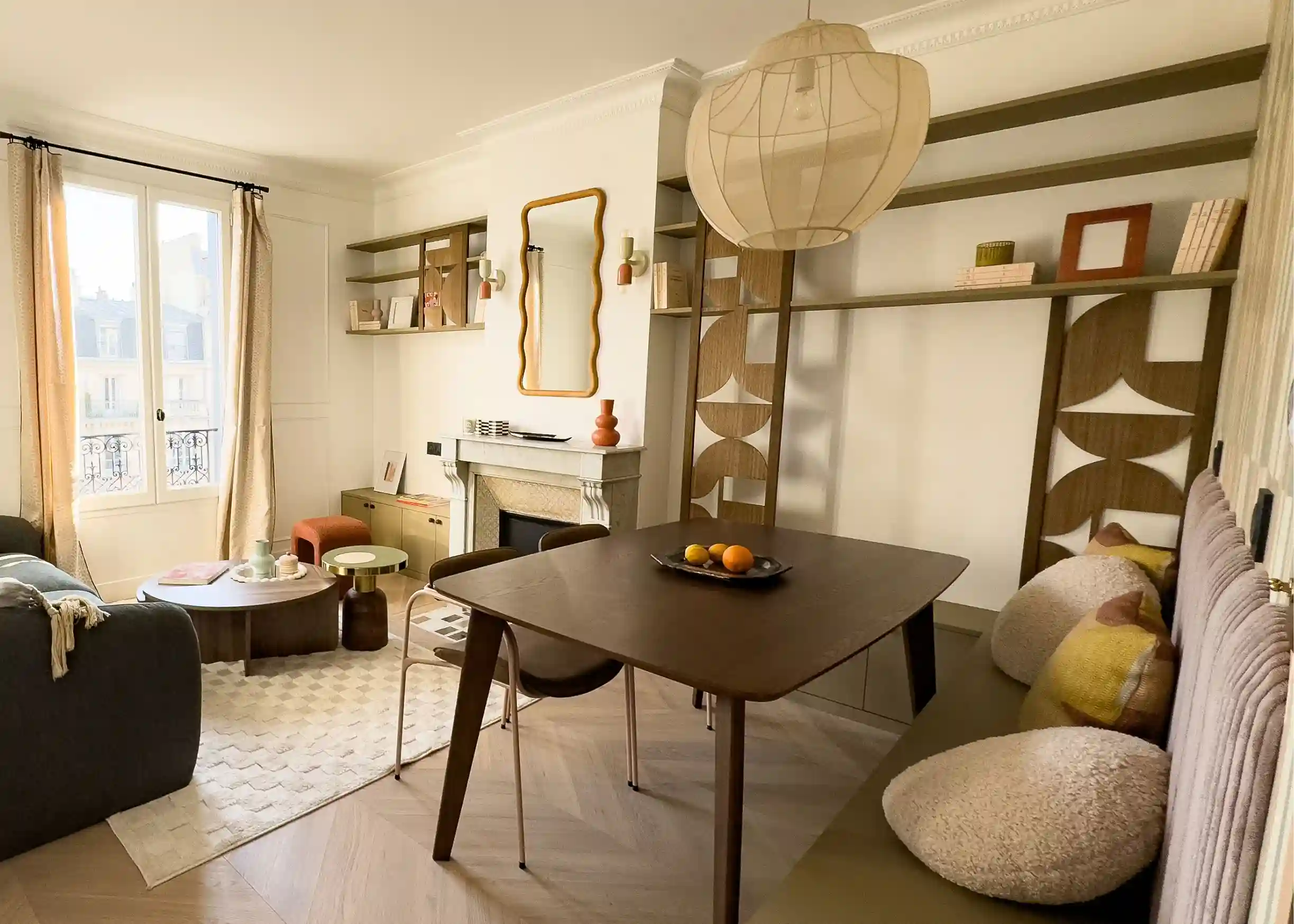
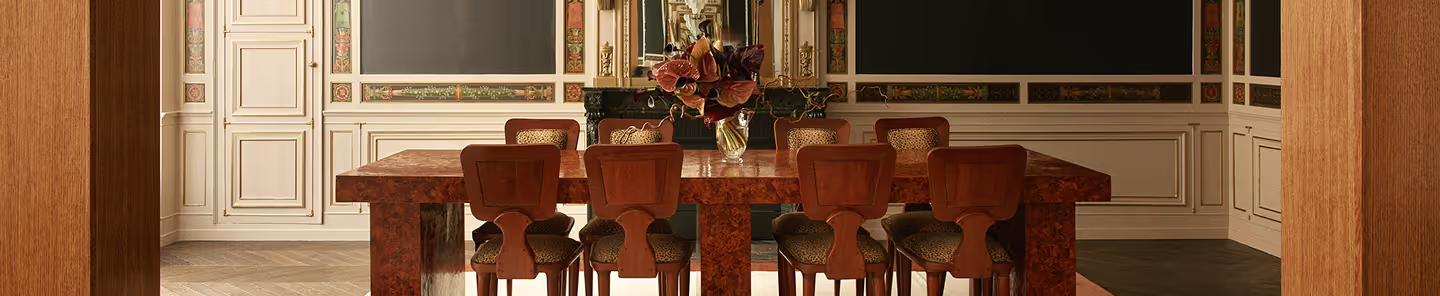
To incorporate the brutalist style at home, go find your grandmother's travertine table—it's so 70s! As a highly trendy material, it brings elegance and a decidedly retro style. Complete the look with large, raw wood chairs. For a clean atmosphere, opt for white, sheer curtains, and a rug with curved lines.
You can also have fun by pairing brutalist-style furniture from different eras with the classic charm of Haussmann-style interiors.
Brutalism allows you to create elegant and functional spaces. As you can see, for a trendy look, use popular materials like travertine or granite and combine them with wooden elements and plush textiles.
Examples of brutalist (interior) architecture
The Bourse de Commerce, particularly its central circular space, captures our attention. The minimalist concrete architecture by Tadao Ando elevates the building, thanks to its cylinder measuring 29 meters in diameter and 9 meters in height. It creates a connection between the ground and the sky, as well as between the floors, bridging the gap between the old and new building.

For a more contemporary and warm take on brutalism, architect Garance Vallée is an endless source of inspiration. We love her raw collections featuring deep, organic tones. Keep an eye out for her work at Monoprix, where she has created one of the most desirable home decor collaborations of the season.
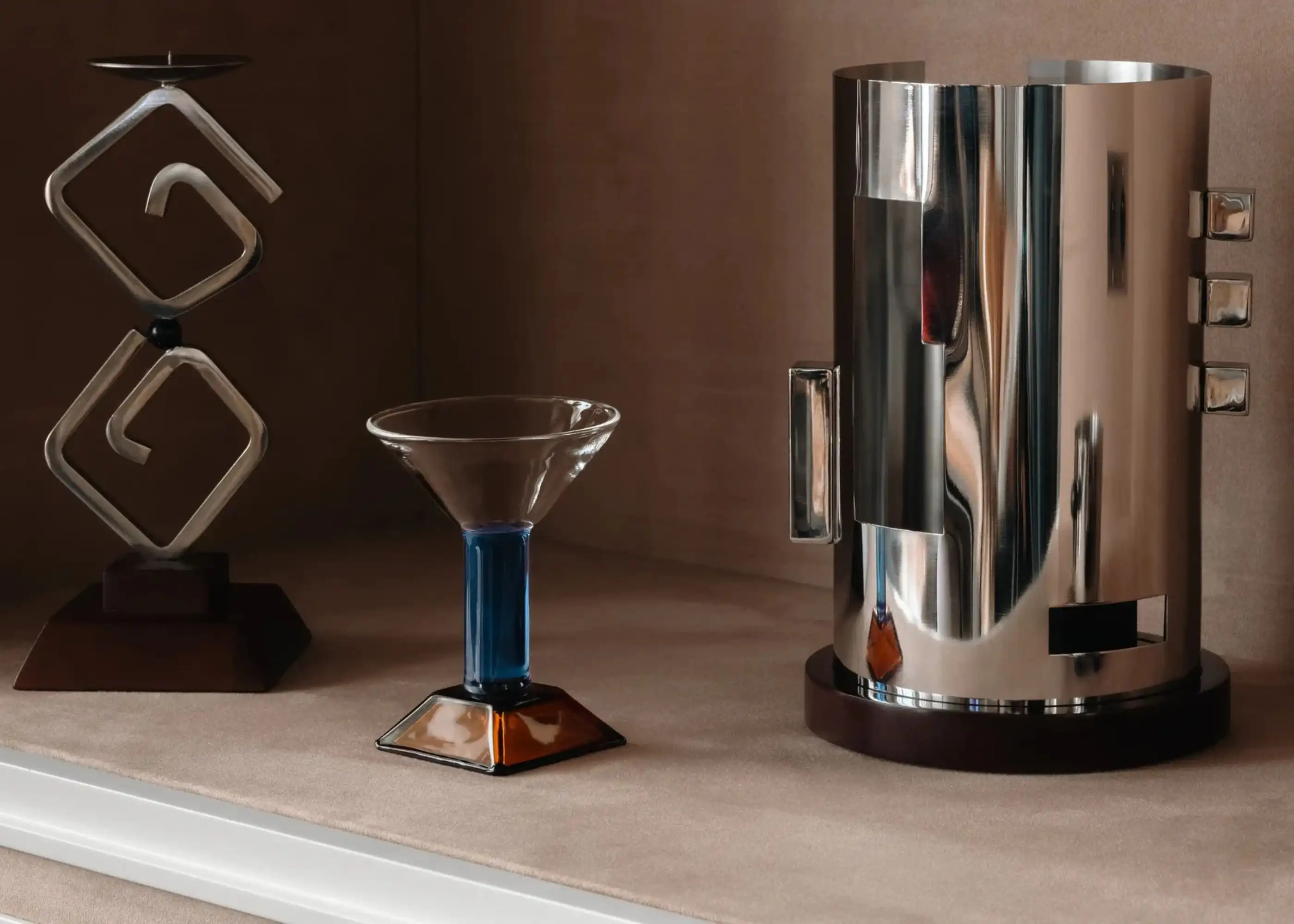
Brutalism is officially back. A bold and unique architectural style that can create interior spaces that are both modern and timeless. By following the advice of the Maison Kyka studio, incorporate brutalism into your interior design to create a unique space that reflects your personality.
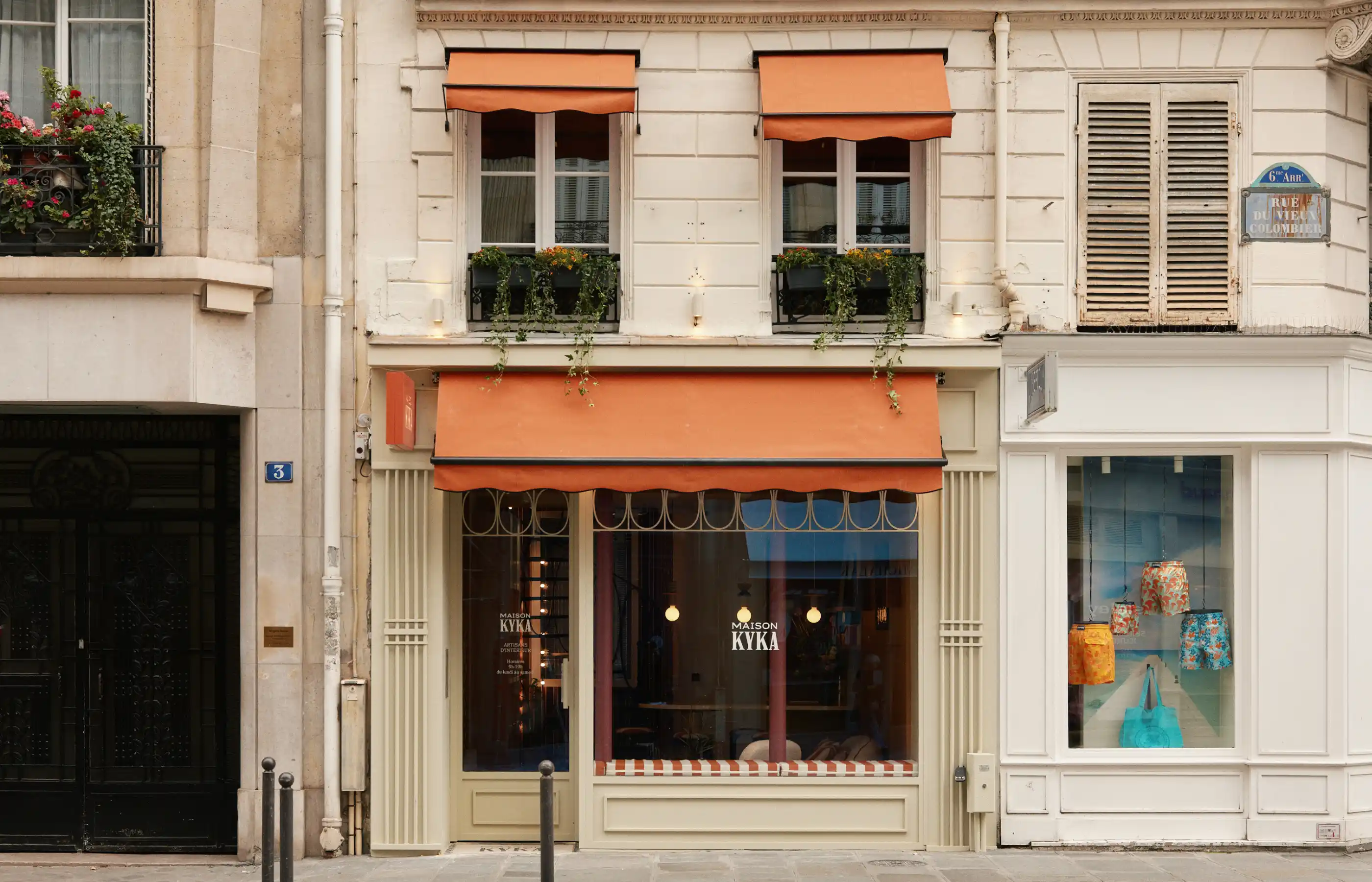
Need help embracing the brutalist style? The experts at Maison Kyka are here to help.
.svg)