.svg)

Discovering the Marais, one of the oldest neighborhoods in Paris
Le Marais: a must-see in Paris
To start, it should be noted that Le Marais is not strictly a "neighborhood" in the administrative sense: it does not appear on the list of 80 neighborhoods—four per arrondissement—that has been used since 1860. Some of them, such as Enfants-Rouges or Archives, are part of the Marais as it was defined as a protected sector in 1964: it covers 126 hectares spread across the 3rd and 4th arrondissements, featuring "exceptional architectural heritage" that bears witness to the aristocratic Paris of the 17th and 18th centuries, as well as the industrial activity of the 19th and 20th centuries.
A stroll between historic sites and great spots
Let’s begin our walk in the Haut-Marais near the Arts-et-Métiers and Temple metro stations. To fuel up, head to I/O café, a Danish-inspired coffee shop that offers pastries and cinnamon rolls to accompany its delicious caffeinated drinks.
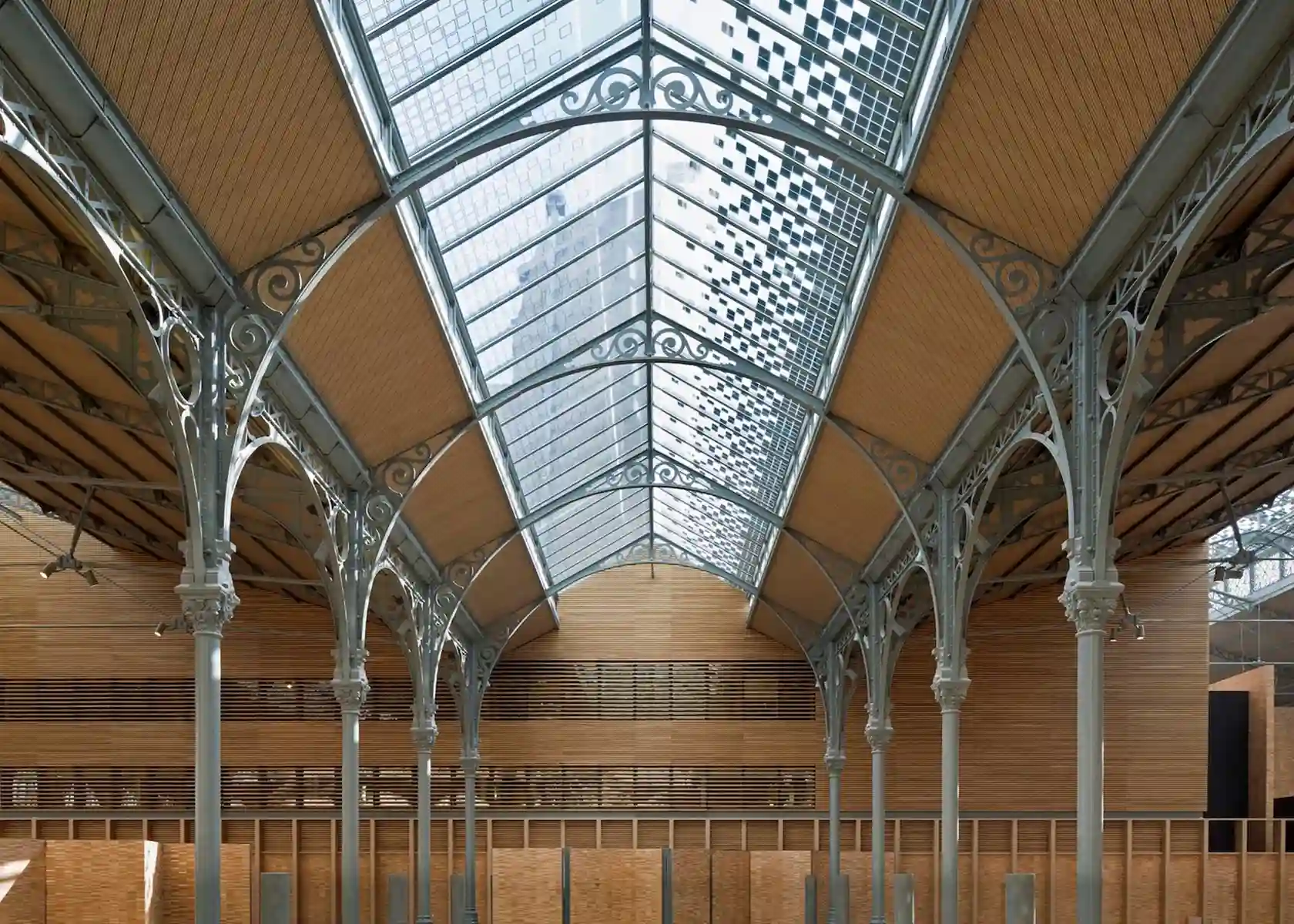
Then, head toward the Carreau du Temple by passing through the Square du Temple - Elie Wiesel, where a botanical stroll is particularly pleasant. Take a look at its late 19th-century industrial architecture, which, since its renovation in the 2010s, has hosted more than 90 events per week (screenings, shows, concerts, meetings, and other fairs).
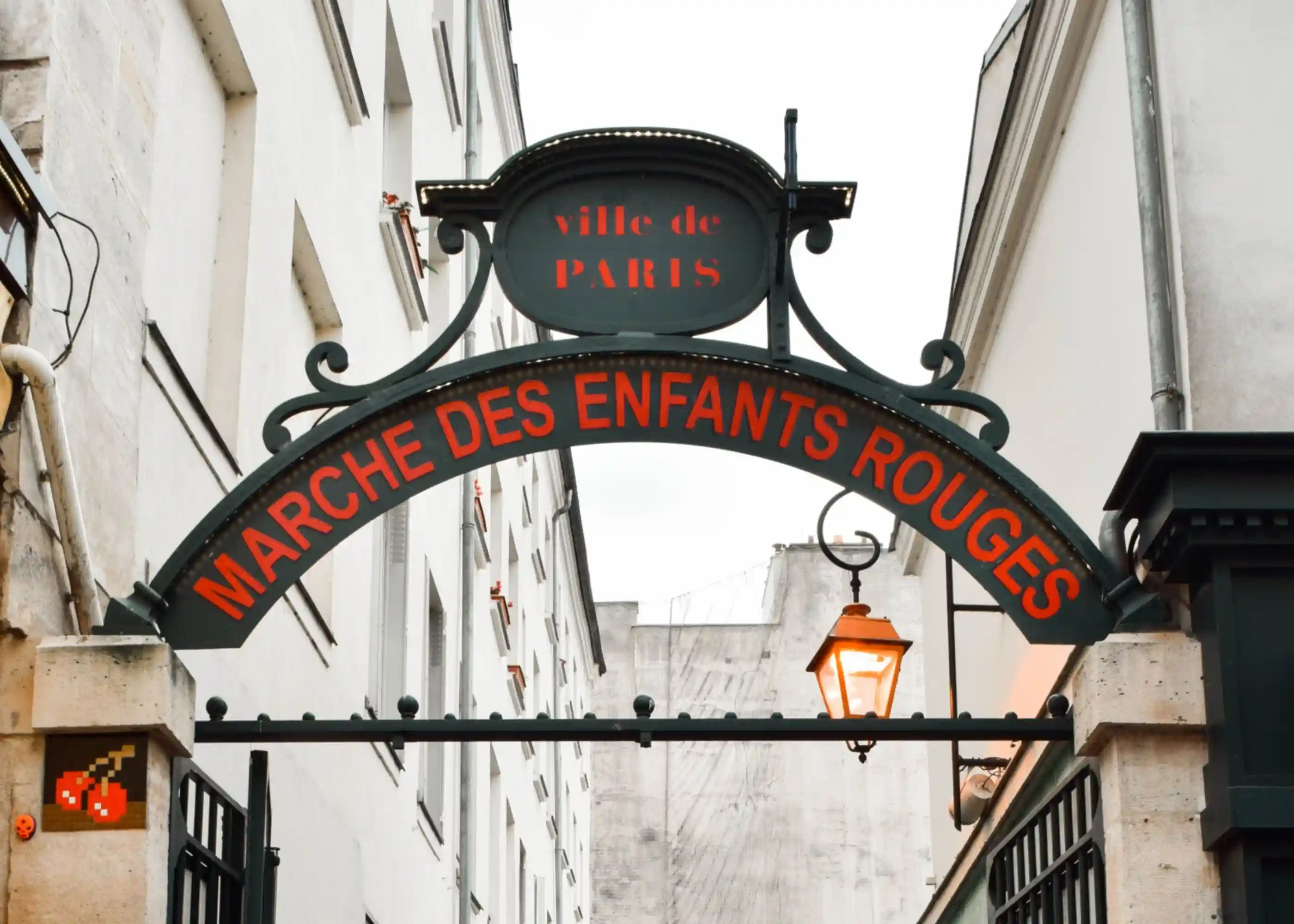
Next, head to the Marché des Enfants-Rouges, a true institution built in 1615 at the request of Louis XIII. Open every day except Monday, it is quite simply the oldest covered market in the capital. People come here for a culinary world tour, as there are numerous stalls with diverse influences—Moroccan, Japanese, and Auvergnat, to name just a few.
Among our favorite spots, reserved for those with a big appetite: Chez Alain Miam Miam, where the king of snacks (Alain, that is) serves up gargantuan sandwiches packed with quality ingredients. Another slightly more reasonable option for lunch, just a stone's throw away: Café Berry, where we highly recommend the Basque cheesecake, though the entire menu is worth a try. Speaking of detours, take a quick one to visit the Passage de l’Ancre, on the edge of the Marais: head through the carriage entrance at 223 rue Saint-Martin and step into a cobblestone, flower-lined alleyway, home to offices and shops with colorful storefronts.
Heading back down toward the Seine, you’ll stumble upon one of the most unusual spots in the Marais: the House of Nicolas Flamel, or “grand pignon.” Considered the oldest house in Paris, it was built in the early 15th century by Nicolas Flamel and his wife, Pernelle.
Culturally speaking, the Marais is overflowing with options: within a small radius, you’ll find the Museum of Jewish Art and History (housed in the former Hôtel de Saint-Aignan), the National Archives Museum (which features a sublime, hidden garden), the quirky Museum of Hunting and Nature , and the museum dedicated to the painter Pablo Picasso. Not to mention the Cognacq-Jay Museum as well as the Carnavalet Museum.
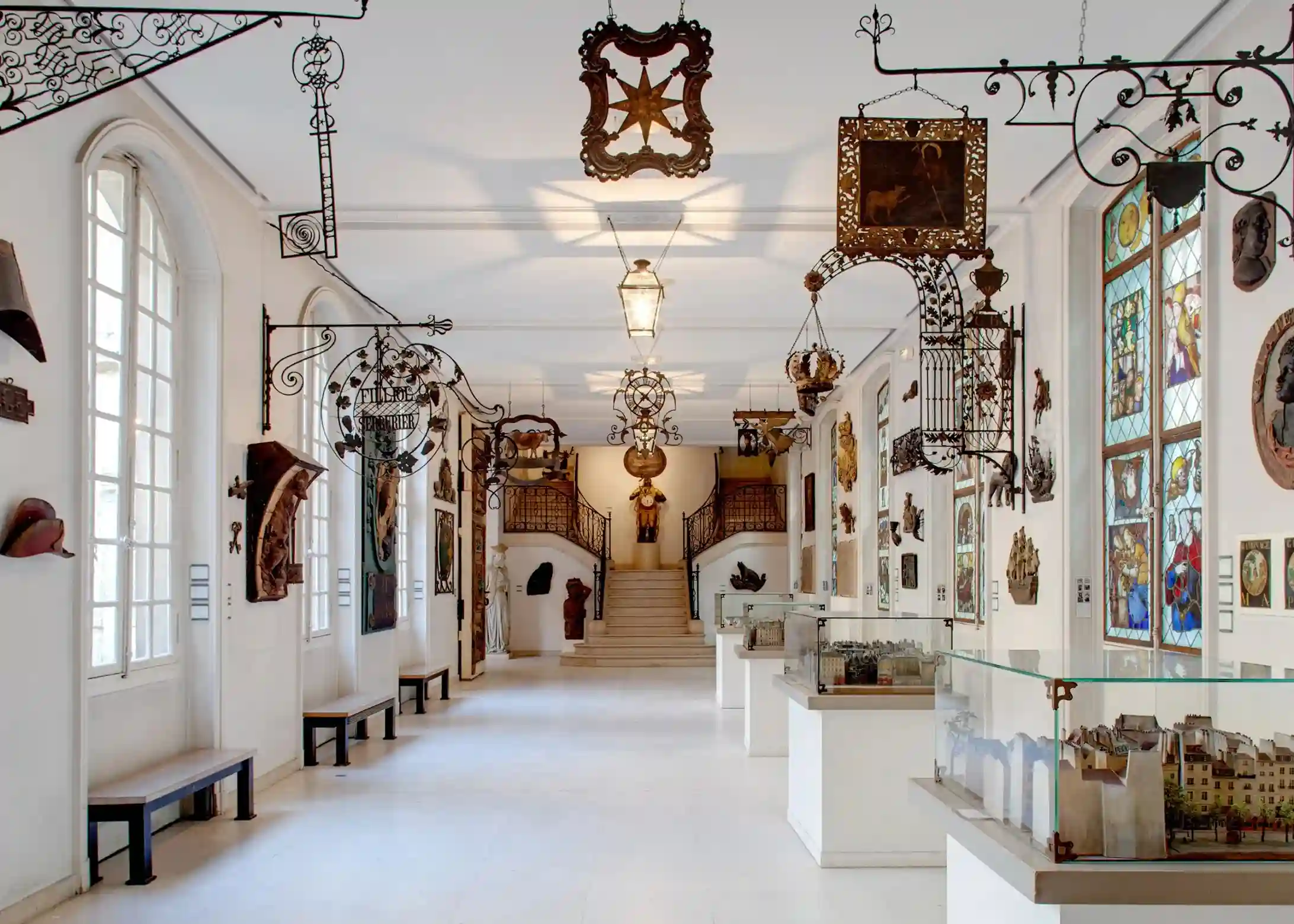
Amidst all these spots, there is an open-air museum, or nearly so: Impasse des Arbalétriers, which has all the hallmarks of a medieval alley (uneven cobblestones, gutters, bollards...) and is now a favorite playground for many street artists. Those who paid close attention in history class might remember that this is where the Duke of Orléans was assassinated in 1407.
When snack time rolls around, let’s keep our cultural momentum going by heading to the La Mouette Rieuse bookstore : designed as a vibrant community space, it features a café with a seasonal menu where it’s lovely to settle in to work, or simply enjoy a pastry while starting a good novel.
Le Loir dans la Théière, with its adorable setting that transports us into the world ofAlice in Wonderland, is another excellent option for a sweet break. It’s hard to recommend just one dessert as they are all divine, but the lemon meringue pie with its XXL meringue is definitely one of our favorites.
To walk off your meal, go admire Saint-Paul-Saint-Louis Church, surely the most beautiful religious building in the Marais. Mentioned in Les Misérables by Victor Hugo, it is the church where his famously tragic daughter, Léopoldine, was married in real life in 1843. A listed historical monument, it was the first Jesuit church in Paris built with funding from Louis XIII, and also the first to abandon the traditional Gothic style for the Baroque style. On the second pillar to the right after the entrance, you can decipher a curious, nearly faded message: “French Republic or death,” likely written during the early days of the Paris Commune.
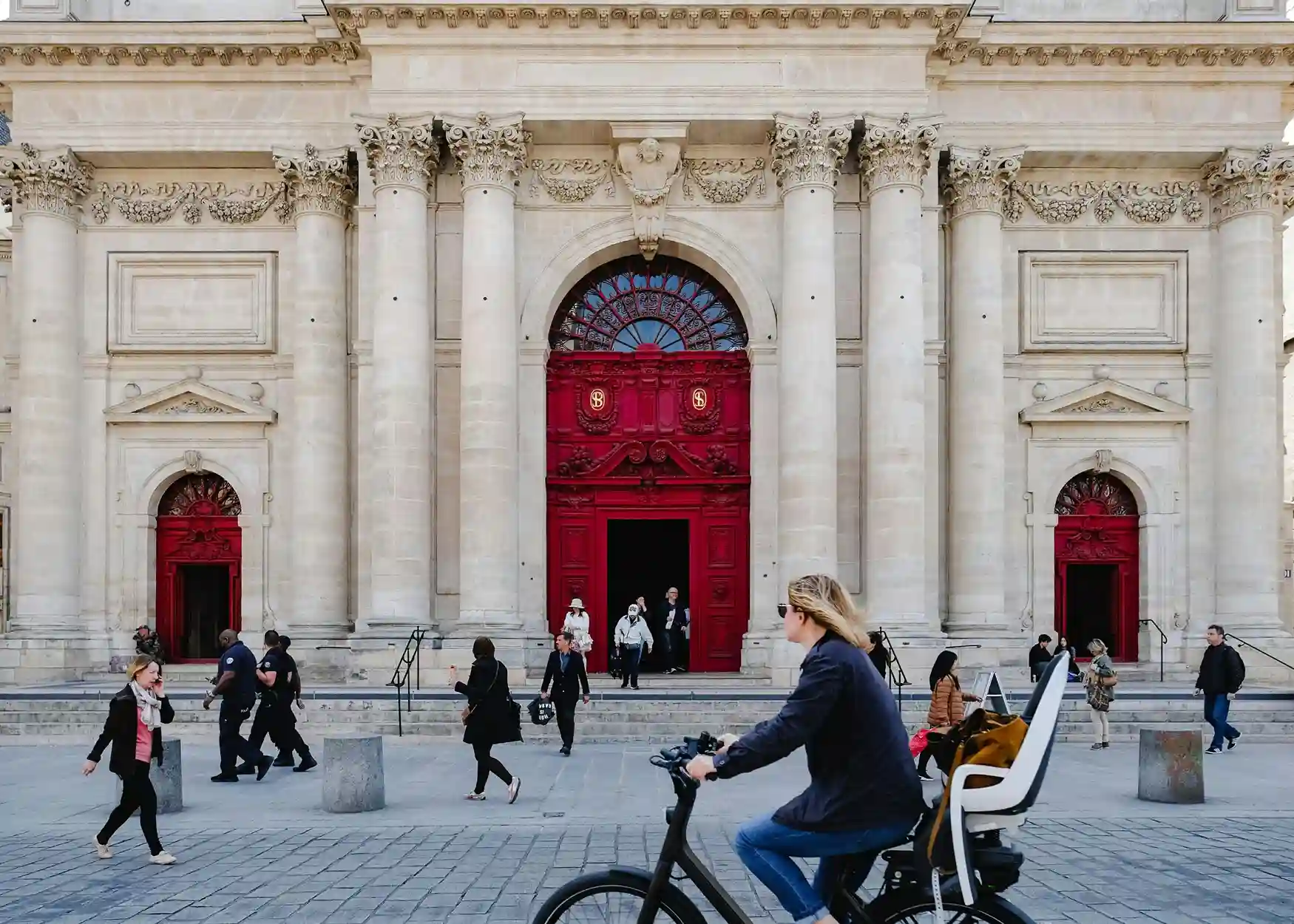
Next, why not take a stroll through the Village Saint-Paul, where antique shops, art galleries, and traditional restaurants mingle? A timeless place for a stroll, where you can enjoy shaded, quiet passageways. Another curiosity to discover in the lower Marais: the half-timbered houses on Rue François Miron, which you can admire at numbers 11 and 13. Often cited as the oldest houses in Paris, they actually date back to the 16th century.
We wrap up this day in the Marais with one of its most iconic streets, also steeped in history: Rue des Rosiers, a street particularly cherished by the Jewish community. It’s a lovely place for a Sunday stroll, as it is entirely pedestrianized on that day. It’s the perfect opportunity to grab a quick falafel (the best is said to be at L’As du Falafel, though be prepared to wait in line), or to sample a Yiddish specialty at Boutique Jaune, open since 1946—pastrami sandwiches, bagels, and strudels await.
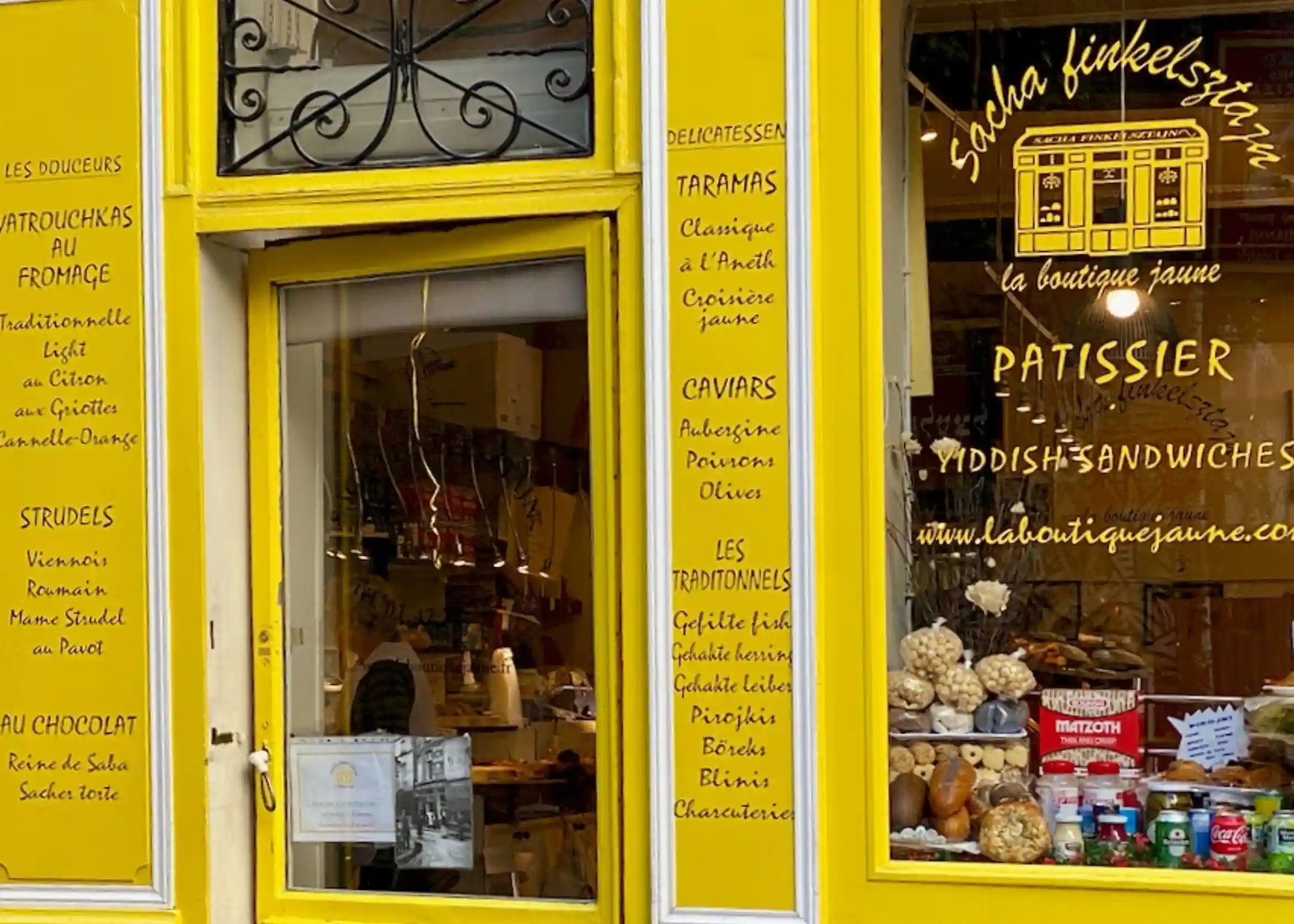
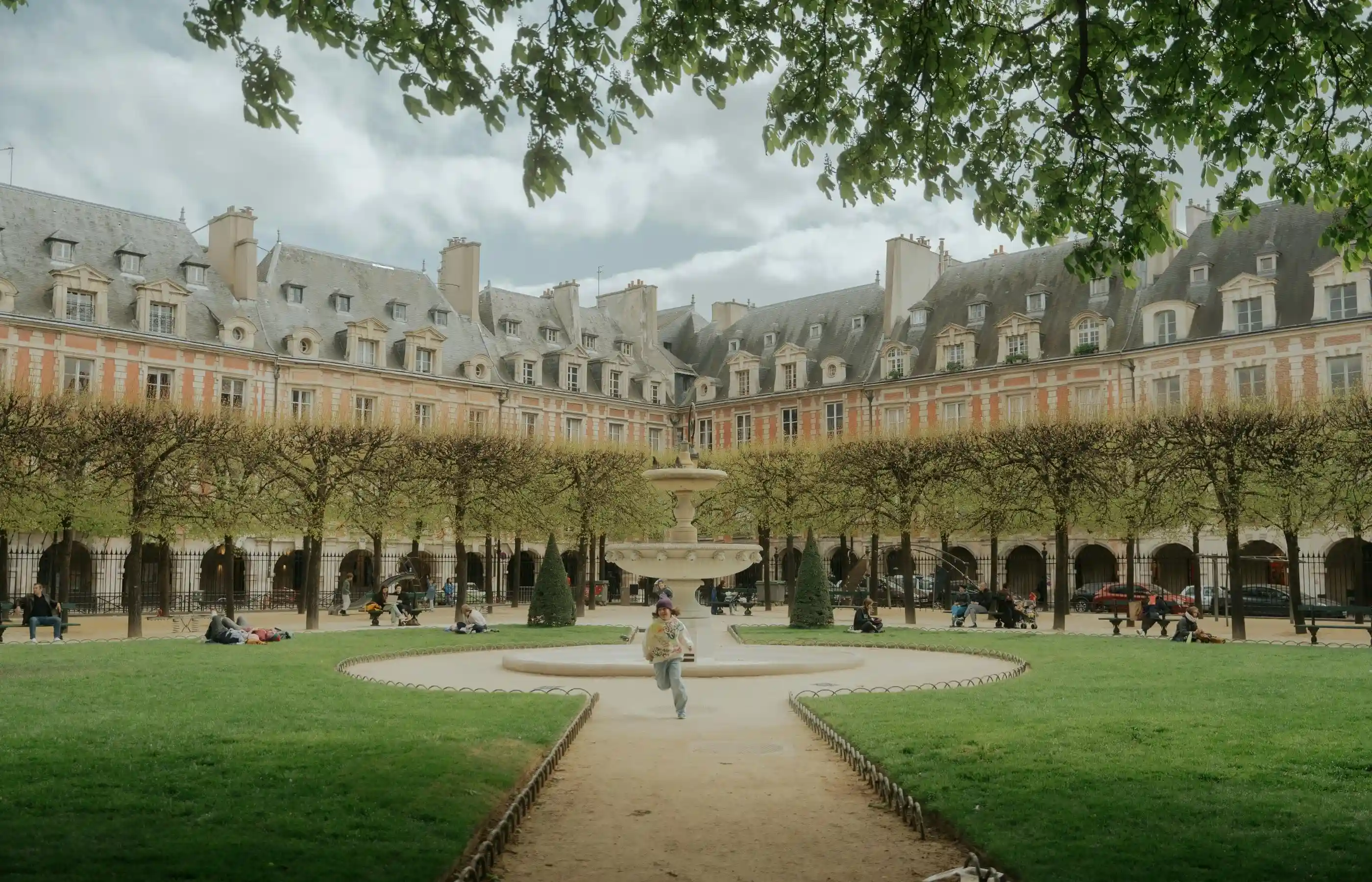
At the end of the day, it’s also pleasant to have a drink at Place du Marché Sainte-Catherine, which is lesser-known—and more affordable—than its neighbor, the Place des Vosges.
Conclusion
The Marais, in the heart of Paris, is brimming with cultural sites and great spots to (re)discover. Wandering through its narrow streets, soaking in its beauty, and unearthing its hidden gems—exploring the area is an experience in itself. Do you have a soft spot for the Marais and want to buy an apartment there? Maison Kyka supports you from the acquisition to the renovation of your dream apartment, thanks to our unique turnkey experience.

.svg)