
Acheter un appartement dans le 11ᵉ arrondissement
Devenu en quelques années une destination incontournable de la rive droite, le 11ᵉ arrondissement de Paris séduit de plus en plus d’acheteurs. Une ambiance décontractée, un nombre de bars et de restaurants au kilomètre carré défiant toute concurrence, une vie de quartier animée, tous les ingrédients sont réunis pour y débuter une nouvelle aventure immobilière, avec Maison Kyka à vos côtés.
Un quartier où il fait bon vivre
Il faut quelque peu s’éloigner du cœur de la capitale pour sillonner les rues du 11ᵉ arrondissement. Autrefois réputé pour son artisanat d’ameublement et d’ébénisterie, le secteur ne passe sous pavillon parisien qu’au XVIIIᵉ siècle. Les faubourgs du Temple et Saint-Antoine, jusque-là situés en dehors de l’enceinte médiévale, deviennent les éléments essentiels d’une activité économique florissante. Aux artisans succèdent peu à peu les ouvriers, qui forgent durablement l’identité du 11ᵉ arrondissement tant par les luttes qu’ils y conduisent que par la présence de nombreux ateliers, petites usines et logements ouvriers qui aujourd’hui encore marquent le paysage urbain.
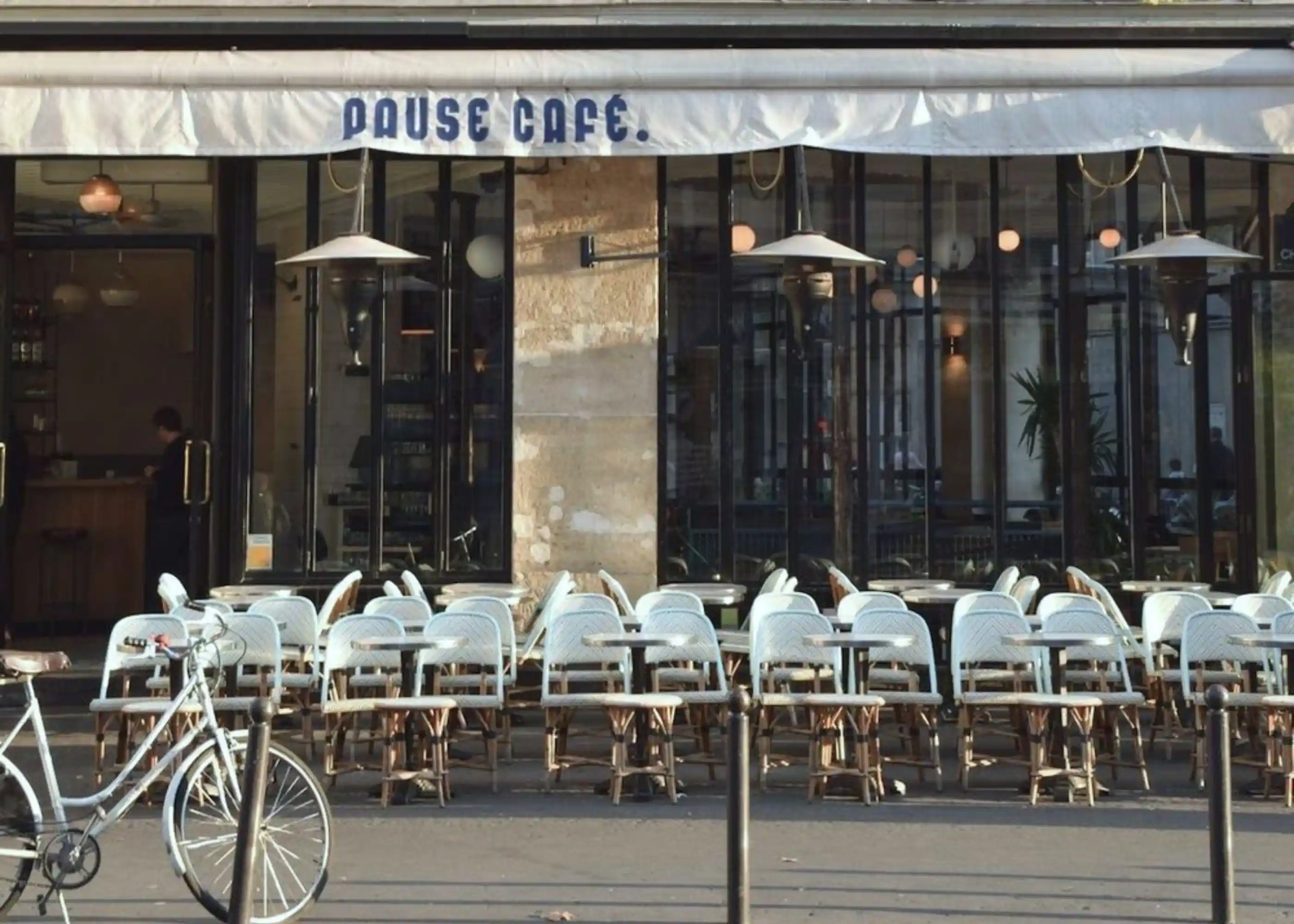
Quartier branché où la mixité sociale n’a pas tout à fait cédé à la gentrification, cet arrondissement est aussi le plus densément peuplé de Paris, comptant environ 142 000 habitants pour une superficie de 3,67 km². Malgré une baisse latente de la démographie, on observe depuis peu un léger rebond, expliqué par la réhabilitation d’un habitat ancien et l’arrivée d’une population jeune en quête d’investissement immobilier.
Vous envisagez d’orienter vos recherches pour un achat d’appartement vers le 11ᵉ arrondissement ? Et si vous sollicitiez les responsables de projet immobilier Maison Kyka ?
Le quartier de la Roquette
Bienvenue dans le quartier de la Roquette, qu’on explore volontiers depuis la place de la Bastille jusqu’au boulevard Voltaire, en passant par les rues animées de la Roquette et du Faubourg Saint-Antoine. Ici, ce sont les contrastes qui font le charme : à la rue de Lappe animée par une foule hétéroclite et quelque peu bruyante succèdent des ruelles plus discrètes, le tout dans un paysage urbain à taille humaine où les commerçants tutoient les habitants du quartier, et vice versa. La quête de beaux objets trouve souvent sa finalité dans les nombreuses boutiques indépendantes de la rue de Charonne. Disquaire, bottier, concept store, il y en a pour tous les goûts. À l’angle de la rue de la Croix-Faubin et de la rue de la Roquette on aperçoit d’étranges dalles scellées à même le bitume. Vestiges de l’échafaud installé un temps devant la prison de la Grande Roquette, elles attestent de l’important passé carcéral du 11ᵉ arrondissement.
Le quartier de la Folie-Méricourt
Tout au nord du 11ᵉ arrondissement, encadré par la place de la République, le boulevard du Temple, la rue Oberkampf et le boulevard de Belleville, s’étend le quartier de la Folie-Méricourt. Il ne vous faudra pas marcher plus de 20 m pour tomber nez-à-nez avec des riverains ou des gens de passage attablés en terrasse, car ici une grande partie des interactions sociales se déroulent autour d’un verre. On pense immédiatement au bistrot Aux Deux Amis, rue Oberkampf, dont le comptoir en inox et le carrelage beige quadrillé de noir nous replongent dans le Paris d’un autre temps. Une petite halte à l’ombre des arbres du boulevard Richard Lenoir, avant de partir à la rencontre d’un autre monument atypique : le Cirque d’Hiver. Cette curiosité architecturale accueille depuis la fin du XIXᵉ siècle événements en tous genres, des représentations équestres aux rassemblements politiques en passant bien-sûr par des spectacles de cirque.
Le quartier Saint-Ambroise
Plus résidentiel que ses voisins, le quartier Saint-Ambroise séduit par son calme et sa proximité avec le Marais à l’ouest, le canal Saint-Martin au nord. Il tient son nom de l’église Saint-Ambroise, imposant édifice néogothique dont les deux clochers de 68 m de haut surplombent le boulevard Voltaire et ses environs. Les rues y sont ponctuées de cafés à la décoration vintage, de restaurants du monde entier et d’ateliers d’artistes cachés au fond de cours végétalisées. On renoue avec la verdure en flânant dans le square Maurice-Gardette, terrain de jeu privilégié des enfants du quartier, pour le plus grand plaisir de leurs parents. Les foodies les plus pointilleux se rendront chez Qui plume la lune, une discrète table étoilée de la rue Amelot, et finiront peut-être même leur soirée au rythme des sonorités disco de chez Bambino. Tout un programme.
Le quartier Sainte-Marguerite
En retrait de l’agitation des grandes artères, le quartier Sainte-Marguerite demeure à l’abri du tourisme grandissant. Il faut s’aventurer dans son dédale de rues paisibles pour y dénicher quelques précieux témoins d’un passé artisanal et industriel encore bien présent. La discrète cour de l’Industrie, accessible depuis la rue de Montreuil, en est un parfait exemple. Ce vaste ensemble de 5 000 m² mêle cours pavées, ateliers et hangars réhabilités, aujourd’hui investis par des créateurs, plasticiens, photographes et architectes. Loin du tumulte, le quartier cultive une atmosphère paisible, presque hors du temps. On y fait ses courses dans les commerces de bouche de la rue Faidherbe, on s’attable dans une adresse confidentielle, et l’on savoure ce subtil équilibre entre élégance et simplicité. Une enclave préservée du 11ᵉ arrondissement, à l’écart des regards pressés.
À ce stade, une préférence se dessine-t-elle pour l’un de ces quartiers ? Une chose est certaine, les responsables de projets immobiliers Maison Kyka peuvent vous aider à trancher si vous désirez acheter un appartement dans le 11ᵉ arrondissement de Paris.
Pourquoi acheter dans le 11ᵉ arrondissement ?
Un secteur en plein essor pour un marché immobilier stabilisé
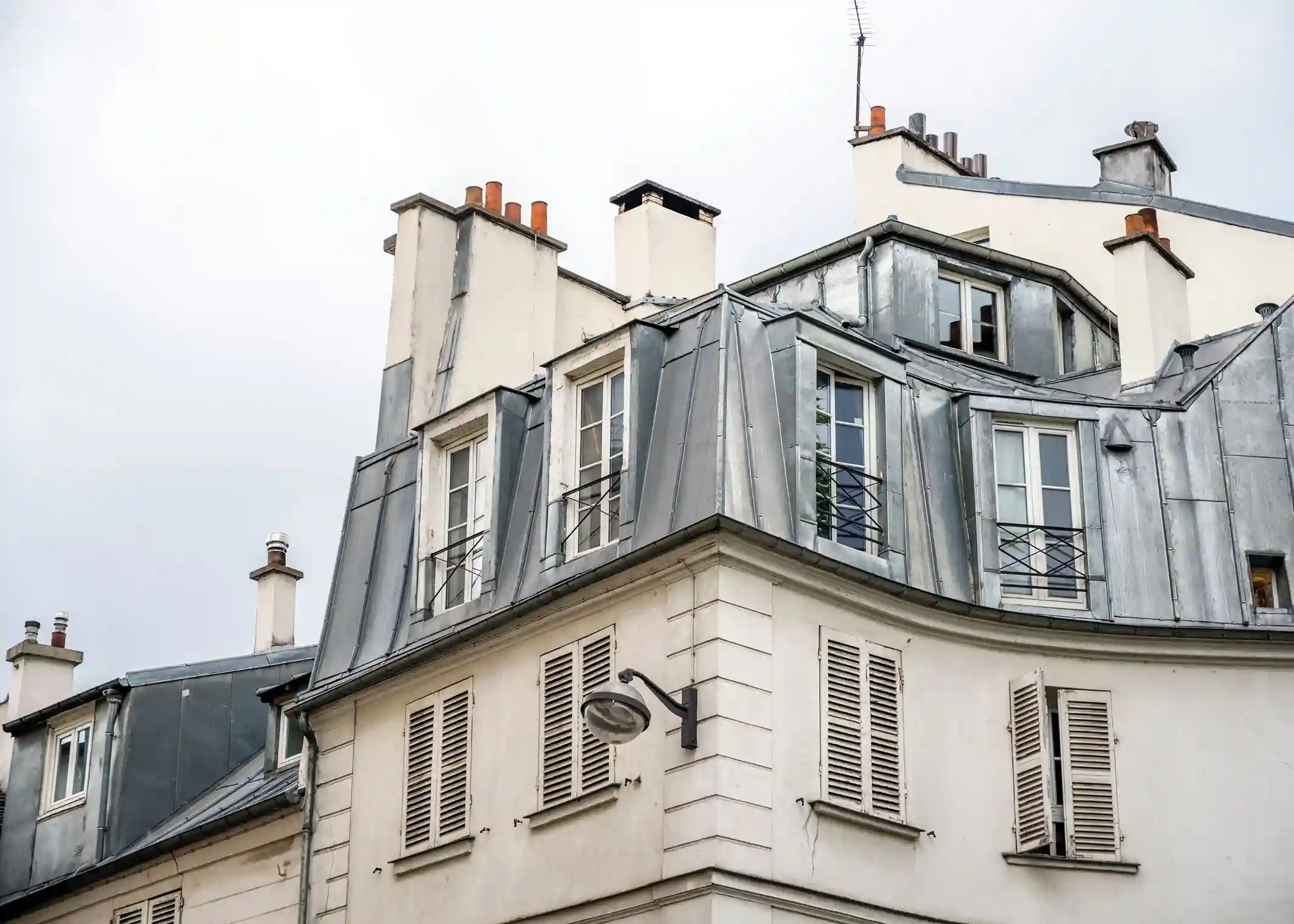
Une des raisons du succès du 11ᵉ arrondissement est sa diversité et ses contrastes, qu’on retrouve également dans le parc immobilier. Les immeubles haussmanniens des grands axes à l’instar de l’avenue de la République, laissent place à mesure que les rues rétrécissent à des ensembles plus modestes, datant parfois du début du XIXᵉ siècle. Leurs façades simples, enduites ou en moellons, s’élèvent jusqu’à 3, parfois 5 étages, avec des fenêtres de taille moyenne. De plus en plus recherchés, ces appartements demeurent toutefois limités en matière de surface, puisqu’on trouve une majorité de biens entre 20 et 50 m². Si vous êtes à la recherche d’un espace atypique, le 11ᵉ arrondissement vous intéressera particulièrement de par la présence de nombreux ateliers d’artistes et de lofts au style industriel.
Avec un prix médian de 10 476 €/m², le 11ᵉ arrondissement se situe dans la moyenne parisienne. Pour un investissement patrimonial ou locatif de qualité, orientez-vous vers le secteur Bastille-Popincourt, où les prix atteignent en moyenne 10 672 €/m². Ce quartier central, dynamique et très recherché, en particulier pour les studios et les deux-pièces, bénéficie d’une localisation stratégique à la croisée des 3ᵉ, 4ᵉ et 12ᵉ arrondissements. Pour trouver des biens estimés en dessous de la barre symbolique des 10 000 €/m², direction le quartier Sainte-Marguerite. En pleine transformation, il offre aujourd’hui un potentiel de valorisation réel et est vivement conseillé aux primo-accédants.

Acheter dans le 11ᵉ arrondissement : pour quel mode de vie ?
Acheter à Paris, c’est avant tout faire coïncider un lieu de vie avec un mode de vie. Dans cette perspective, le 11ᵉ arrondissement attire les acheteurs en quête de dynamisme.
Situé à la croisée de quatre arrondissements, le 11ᵉ arrondissement bénéficie d’une excellente accessibilité. Ses six lignes de métro en font l’un des secteurs les mieux desservis de la capitale, un vrai plus pour les actifs ou les familles qui cherchent à conjuguer vie parisienne et fluidité au quotidien. Une effervescence qui participe à son charme, mais qu’il faut aussi savoir appréhender si l’on recherche un environnement paisible.
Côté urbanisme, le quartier se transforme. Certaines rues sont progressivement piétonnisées, les anciennes usines deviennent des logements, et les immeubles modestes du XIXᵉ siècle reprennent vie sous l’impulsion de projets de rénovation. Un Paris en mouvement, où chaque cour intérieure peut révéler un coup de cœur. Peut-être le vôtre, avec l’accompagnement sur mesure de Maison Kyka.
Les bonnes adresses Maison Kyka dans le 11ᵉ arrondissement
Le 11ᵉ arrondissement regorge de lieux insolites et de bonnes tables. De quoi donner envie à Maison Kyka de vous partager ses adresses coup de cœur.
1. Le restaurant Delhi Bazaar, situé rue Servan, propose une immersion sensorielle dans les saveurs du sous-continent indien. Loin des clichés, cette table mêle subtilement recettes traditionnelles et touche contemporaine, dans un décor chatoyant qui évoque les marchés de Delhi. Idéal pour un dîner entre amis ou une escapade gourmande à deux pas du métro Rue Saint-Maur.
2. Nous vous parlions de cour cachée. Celle qui abrite La Frange à l’envers, rue Saint-Maur, vaut le détour. Cette friperie-concept-store fait le bonheur des chineurs avertis. On y déniche vêtements de seconde-main soigneusement sélectionnés, pièces upcyclées et trouvailles inattendues dans une ambiance décontractée. Une halte incontournable pour donner du style à sa garde-robe tout en consommant autrement.
3. Le Badaboum, rue des Taillandiers, est bien plus qu’un simple club : à la fois salle de concerts, bar à cocktails et dancefloor, il incarne l’âme nocturne du 11ᵉ arrondissement. Avec sa programmation éclectique, de l’électro pointue aux lives indie, il attire une clientèle fidèle à la recherche d’expériences festives sans artifices.
4. En remontant l’avenue Parmentier, impossible de ne pas s’arrêter chez Landline. La façade bleu pétrole abrite une boutique mêlant articles de droguerie à l’ancienne, vaisselle et linge de maison, le tout dans une atmosphère rétro et familiale. Avec sa sélection ultra sourcée, Landline est le lieu idéal pour renouveler ses objets du quotidien en conjuguant style et engagement.
5. Réhabilitée en 2018, l’ancienne fonderie du Chemin-Vert devient espace d’exposition numérique immersif sous le nom de L’Atelier des Lumières. Les œuvres des plus grands artistes y prennent vie à travers projections géantes et bandes sonores envoûtantes. Une expérience mêlant art et technologie, à vivre en famille ou entre amis.
6. Désirée, fleuriste-café de la rue de la Folie-Méricourt, incarne le renouveau du commerce de proximité à Paris. Derrière ses bouquets éthiques et de saison se cache un engagement fort pour l’environnement et le circuit court. On y vient autant pour fleurir son intérieur que pour savourer un chai latte maison, dans une ambiance végétale et inspirante.
7. À ceux qui rêvent de redécouvrir la gastronomie italienne sans pour autant passer par la sempiternelle pizza, il est temps de réserver chez Osteria Goto. Installée boulevard Voltaire, cette table séduit par sa cuisine raffinée et résolument moderne. Ici, les assiettes de saison aux accents vénitiens sont préparées avec un sens rare du détail, et les saveurs sont au rendez-vous.
Le 11ᵉ arrondissement n’attend plus que vous pour dévoiler pleinement son potentiel. Si vous vous êtes reconnu dans les atours singuliers de ce quartier à la fois vibrant et inspirant, c’est peut-être le signe qu’il est temps d’y concrétiser votre projet immobilier. De l’acquisition à la rénovation en passant par l’aménagement intérieur, Maison Kyka vous accompagne à chaque étape.

.svg)